



A cross-country relocation is any move that involves crossing state lines. This type of move can be long-distance, often covering hundreds or even thousands of miles. Whether you’re moving from one part of the country to another or even from one coast to another, it’s considered a cross-country relocation if you’re changing states. If you need to find the right moving company for your relocation Verified Movers can help you find the right team to help you!
What Is a Cross-Country Move?
Before you start your relocation process you should understand what a cross-country move is. As we’ve mentioned above, cross-country relocation is any move that is taking place across state lines.
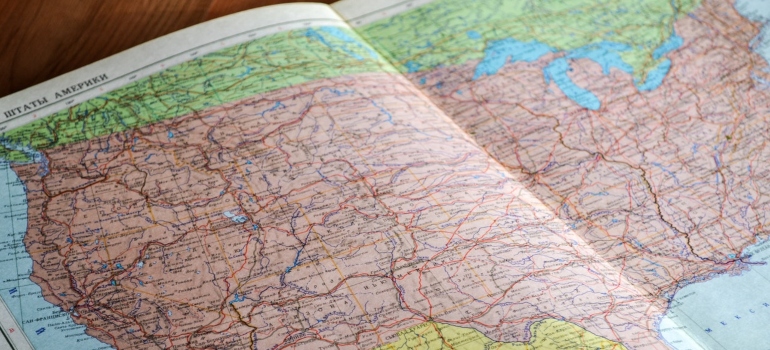
Whether you’re moving from Chicago to a neighboring state like Indiana or all the way to the other side of the country, such as California, the process remains the same. The defining feature of a cross-country move is that it requires specialized services and logistics. Unlike a local move, which can be completed in a few hours, a cross-country move often involves several days of travel and careful planning. For example, moving from Chicago to California is a considerable distance and would require long-haul transportation, while a move from Chicago to Indiana might involve fewer logistical challenges but still require a professional approach. In both cases, it’s essential to find movers who specialize in cross-country relocations. Whether you’re relocating to a neighboring state or across the country, you’ll need top movers in Chicago who can handle the complexities of such a move.
How Long is a Cross-Country Move?
The distance for a cross-country move varies depending on where you start and where you end up. It usually covers more than 100 miles but can go up to several thousand miles. For example, if you are located in California and you are planning to move to New Jersey you would have to find one of the cross-country movers California has to relocate you there.
Key Features of a Cross-Country Relocation
- State Lines: The most important feature of a cross-country move is crossing state lines. This can mean relocating from one city in a state to another within the same state. Also it can involve traveling a much greater distance, potentially moving from one part of the country to another. Any move that crosses a state line is considered a cross-country relocation. This is regardless of whether it is a short or long journey.
- Distance: Cross-country moves typically cover much greater distances compared to local moves. While local moves may involve distances of under 100 miles, a cross-country relocation often spans hundreds of miles. The longer the distance, the more planning and resources are required. Depending on where you’re moving to and from, the trip could take several days or weeks. This makes the move more time-consuming than a typical local relocation.
- Complexity: A cross-country move involves more coordination and planning than a local move. This is due to the extended distance and the logistics of transporting your belongings. It might include managing the shipping of your car, handling a longer travel route, and ensuring that large or delicate items are properly packed for long-distance transport. The logistics of coordinating the move across such a wide range often require more careful organization and preparation, from choosing the right moving company to timing the move to fit within your schedule.
Difference Between Long-Distance and Cross-Country Move
A long-distance move and a cross-country move are similar in that both involve traveling a significant distance, but the key difference lies in the scope of the journey. A long-distance move typically refers to any move that exceeds 100 miles, often within the same region or state. In contrast, a cross-country move specifically involves traveling across state lines.
For example, if you are relocating from Dallas to Oklahoma City, your move would be considered cross-country because it crosses from one state to another, even though it’s relatively close in terms of distance. When planning a cross-country move, it’s important to hire movers who specialize in long-distance relocations. In this case, you would need to find one of the Dallas top movers who do cross-country relocations to handle the logistics of your relocation, ensuring your belongings are safely transported over the state line and delivered to your new home.

Types of Cross-Country Moves
There are a few ways to make a cross-country move, depending on what works best for you:
Hiring Professional Movers
Hiring professional movers is one of the most popular and hassle-free ways to handle a cross-country move. Movers can take care of everything, including packing your belongings, loading them onto a truck, transporting them across the country, and unloading them at your new home. They also do their best to prevent property damage. This option is especially ideal if you have heavy furniture, large appliances, or a lot of items to move. Professional movers are experienced in handling delicate and bulky items, ensuring that your belongings are safely transported. While it may cost more than a DIY move, the convenience and peace of mind it provides often make it worth the investment.
DIY Move with a Rental Truck
Some people choose to organize a DIY move with a rental truck, as it is often a cheaper option. You will need to pack and load your items, drive the truck across the country, and unload everything at your new destination. While this option can save you money, it requires a lot of physical effort and time. The long drive, especially across multiple states, can be exhausting. It also places the responsibility of safely transporting your belongings on you. If you prefer full control over the move and are ready for the physical labor, renting a truck can be a viable solution.

Moving Containers
Moving containers offer a flexible option for those looking for a middle ground between professional movers and a DIY move. With this service, you pack your items into a large container at your own pace. Once packed, the container is picked up and transported to your new home. The best part of moving containers is the flexibility they offer—you can rent a container for a set period, allowing you to move at a slower pace if needed. This option works well for people who want to save money but still want the convenience of professional transportation without the long drive themselves.
What to Expect During a Cross-Country Relocation
While every move is different, a cross-country relocation often involves several challenges that set it apart from a local move:
Travel Time
Travel time for a cross-country move can vary greatly depending on the distance between your current home and your destination, as well as the method of transportation you choose. Unlike local moves, which might only take a few hours, a cross-country move typically spans several days, especially if you’re moving across states or coasts. If you’re driving, you can expect to spend long hours on the road, and the time will increase if you take breaks or face delays like traffic or weather. Hiring a moving company may reduce the stress of driving, but the travel time will still be a factor in your relocation timeline. Proper planning and flexibility are essential to manage the travel time efficiently.
Costs
Cross-country moves often come with a higher price tag than local moves. Several factors contribute to the increased costs, such as the distance involved, fuel prices, and the time needed for transportation. Longer distances require more fuel, which adds to the cost of the move, whether you’re driving a rental truck or hiring professional movers. Additionally, long-distance moving companies may charge higher fees based on the time it takes to transport your items, and any additional services, like packing or moving heavy furniture, can further increase the overall cost. It’s important to budget carefully and get multiple estimates to ensure you understand all the costs involved and avoid unexpected expenses during your move.
Packing and Unpacking
Packing and unpacking are important elements of any move, but they become even more important in a cross-country relocation. The long distance your belongings travel means they are exposed to a higher risk of damage, especially if they aren’t packed properly. Careful packing ensures that fragile or valuable items remain safe throughout the journey. It’s important to get moving boxes, appropriate packing materials like bubble wrap or packing peanuts, and secure your items well inside the truck or container. When you arrive at your new home, unpacking can also take longer, so it’s a good idea to start as soon as possible to settle in comfortably. Proper packing and unpacking are a must for a successful cross-country relocation.
Navigating the Legal and Administrative Aspects of a Cross-Country Move
Moving across state lines comes with its own set of legal and administrative tasks that need to be completed in advance. First and foremost, make sure to update your address with the U.S. Postal Service, so you don’t miss any important mail. Additionally, you’ll need to change your address with your bank, credit card companies, and any subscription services you use.
If you’re moving to another state, be sure to review the local laws, including driver’s license requirements and vehicle registration. Different states may have different rules regarding taxes, car insurance, and other legal matters. It’s also important to notify the IRS of your address change, especially if you’re expecting a tax refund. For any professional or academic licenses, contact the relevant authorities to inquire about transferring your credentials. Ensuring all these administrative tasks are taken care of in advance will help avoid potential delays or complications once you arrive at your new location.

How to Make Your Cross-Country Move Easier
To make your cross-country relocation as easy as possible, especially if you are moving out for the first time, follow these tips:
Start Early
Planning your move well in advance is wise to ensure a worry-free cross-country relocation. Starting early gives you ample time to book moving services, gather packing materials, and organize your belongings. You’ll also be able to address any unforeseen issues or last-minute details. This early preparation helps reduce stress, leaving you with enough time to handle unexpected tasks that may come up during the move.
Declutter
Before you start packing, take the time to declutter your home. Go through your items and get rid of anything that you no longer need or use. A cross-country move is the perfect opportunity to simplify your life and minimize your belongings. Donating, selling, or discarding unnecessary items will save space, reduce moving costs, and make the packing process much easier and more efficient.

Stay Organized
Organization is key when preparing for a cross-country relocation. Label each box clearly with its contents and the room it belongs to. Make a detailed inventory list of everything you’re moving so you can easily track your belongings during the move. Staying organized helps when unpacking as well, ensuring that you don’t forget any important items and that everything has a designated place in your new home.
Choose the Right Moving Company
When selecting a moving company for a cross-country move, ensure that they specialize in long-distance relocations. Research companies with experience handling cross-country moves that are registered with Federal Motor Carrier Safety Administration and inquire about their services, costs, and reputation. Choosing a reputable moving company will ensure that your belongings are in good hands and that the move goes as easily as possible, with professional help every step of the way.
Be Prepared for Delays
Expect the unexpected when it comes to cross-country moves. Weather conditions, traffic, or other unforeseen factors can cause delays. Plan for potential setbacks by keeping your schedule flexible and allowing extra time for the move. If you’re using professional movers, communicate with them regularly to stay updated on any changes. Being prepared for delays will help reduce stress and keep your move on track.
Managing the Emotional Aspects of a Cross-Country Move
Moving long distances can be emotionally taxing, especially when relocating to a new city or state where you may not know anyone. The emotional stress of leaving behind familiar surroundings, friends, and family can be overwhelming. A cross-country move signifies not just a physical change but also a shift in your life. It’s normal to feel a mix of excitement, anxiety, and sadness.
To help manage the emotional aspects of your move, stay close with friends after moving. Schedule calls or video chats to keep the sense of support intact. Also, try to maintain some routines and bring familiar items with you to your new home to ease the adjustment. If you’re moving to a completely new area, take time to explore and meet new people to start building your new network. While a cross-country move can be stressful, remember that it’s also a chance for personal growth, new experiences, and opportunities. Giving yourself time to adjust and acknowledging your feelings can help make the transition more manageable.
What to Do with Pets During a Cross-Country Move?
Moving cross-country with pets can add an extra layer of complexity to the process. It’s essential to plan ahead for the comfort and safety of your pets. Start by visiting your vet to ensure your pets are healthy and have the necessary vaccinations and documentation required for travel. If you’re flying, check with airlines for their pet policies and prepare for the journey by purchasing pet carriers that meet regulations. For long road trips, plan regular stops to allow your pets to stretch their legs, hydrate, and eat.
It’s also a good idea to bring familiar items from home, such as their favorite bed, blanket, or toys, to help them feel more at ease during the transition. During the move, consider using a pet relocation service if your pets will be traveling separately from you. Their expertise in transporting animals can ensure your pets are well cared for and safely arrive at your new home.
What to Expect After the Move?
After arriving at your new home, expect the settling-in process to take time. Unpacking from a cross-country relocation can be overwhelming and may take several days or even weeks, depending on the amount of belongings you have. It’s important to be patient with yourself, follow your post-moving checklist and avoid rushing through the process. Take your time to set up your space and organize your belongings in a way that works for you.

Managing Your Cross-Country Relocation Easily!
A cross-country move is a big decision. It requires planning, time, and effort, but it can be done successfully with the right preparation. By understanding what a cross-country relocation entails and following the steps to make it easier, you can ensure that your move goes successfully. Choose a moving option that fits your needs, and remember that the more organized you are, the easier the process will be. Happy moving!