
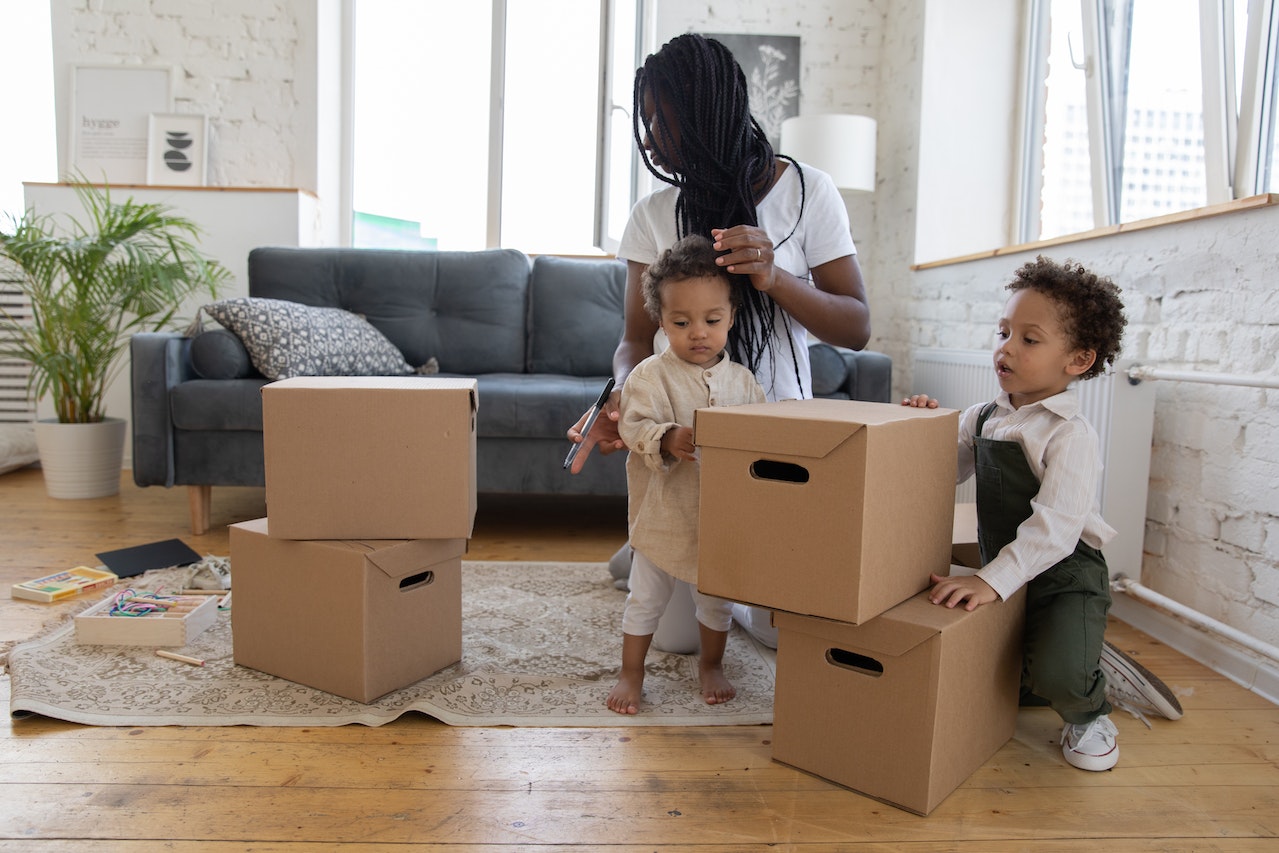


Moving long distance with kids requires more than packing boxes and booking a truck. It means guiding your children through a big change. Kids often feel confused, scared, or sad during a move. As a parent, your job is to keep things calm and predictable. Here, we will help you plan the move step by step. You’ll find simple tips that make a real difference. From talking to your kids to helping them adjust afterward, we’ve got it covered. With the right support, families can handle the change more easily. To get reliable help for your next move, check out Verified Movers for trusted moving professionals.
Prepare Early for Moving Long Distance With Kids
Preparing early makes a huge difference when moving long distance with kids, especially if you are moving out for the first time. The process can be overwhelming, especially when you’re juggling school schedules, emotional stress, and logistics. Begin by creating a detailed timeline as soon as the move becomes certain. Write down every task, from collecting school records to finding a new pediatrician. This helps you stay focused and keeps things on track.

Talk to your children about the move early on. Explain where you’re going, what the new place is like, and what changes they can expect. If you’re moving from Paradise, Nevada, for example, take a few moments to enjoy familiar spots with your kids. That simple act helps them say goodbye and process the change. It also adds a sense of closure, which matters more than people often think. In the middle of all the planning, don’t forget to get estimates, a moving insurance and secure a mover in advance. The earlier you book, the more options you’ll have. This is especially true in busy areas like Paradise.
If you’re looking for help with planning and transportation, explore long distance moving companies Paradise to find professionals who handle family moves with care. Getting started early helps you avoid last-minute chaos and gives your kids time to adjust step by step.
Preparing Babies, Toddlers or Preschool Kids for Long Distance Move
If you have a preschool kid, a toddler or a baby, you won’t have a lot of problems preparing them for the move. Kids under the age of 6 do not understand as much and they are not connected to their environment a lot. They will listen and accept whatever their parents tell them. Of course, you will still have to be careful and explain the move to them as best as you can. Try to explain the move to your toddler with toys and make a story out of it. When you start packing your kids toys, be sure they understand that you are not throwing them away.
Also, try arranging your toddlers or baby’s room the same way as it was at your previous home! That is a good way to make them feel safe and comfortable and to adjust faster. However, when the moving day comes, it is highly recommended to hire a babysitter to take care of your kid.
Preparing School Age Kids for the Move
Moving with a school-age kid is a little bit different than with kids under the age of six. School kids understand more and they are already used to their school friends, teachers and the environment. That’s why you will have to explain to them why you are moving and to answer all of their questions. Remember, you will have to stay positive and point out all the good things that move can bring! Also, do not forget to search for a new school before the move. Investigate which one is the best for your child.

Prepare Teens for the Move
It’s tough to prepare kids for a long distance move, especially if they are teens. Most of those kids already accepted everything around them, They have their own circle of friends, a couple of best friends, and they are familiar and feel comfortable with their daily, weekly or monthly schedules. So, a long distance move will scare them and they will react impulsively, protesting and being against the move.
That’s why you will have to be patient, sit with them and have a long conversation. Explain to them why is it good to move and how they can benefit from it. Tell them that a new school is better because they will have better education and after that being accepted to a good college which leads to a good job. Also, listen to whatever they have to say and try to understand all their concerns. Let them stay close with friends after moving and let them visit their old neighborhood.
Involve Your Kids into the Process
Involving your children in the moving process helps ease stress and builds their confidence. Kids want to feel like their voice matters, even during big changes. From the moment you decide to move, include them in conversations. Explain what’s happening in simple terms. Let them ask questions, even if you don’t have all the answers. Give them small tasks, like packing their toys or choosing what to bring or to help you unpack after a move. This gives them a sense of control. If you’re relocating from Dayton, Ohio, for example, take some time to drive through familiar neighborhoods or visit a favorite park. It helps children say goodbye in their own way. You can also make a memory book with photos of their favorite places and friends. That way, they carry those memories with them.
Involving kids also means preparing them for the new location. Show them pictures, talk about their new school, and if possible, visit the new area together before moving. If you’re managing logistics in Dayton, it’s smart to secure professional help early. Families can save time and reduce stress by working with long distance moving companies Dayton that understand how to handle moves with children. Keeping your kids involved helps them feel seen, heard, and part of the process—not just along for the ride.

Maintain Routines
Maintaining daily routines is one of the best ways to give children stability during a long-distance move. Kids rely on structure. Familiar daily activities like mealtime, bedtime, and screen time help them feel grounded—even when everything else is changing. When routines get disrupted, children may act out, withdraw, or become anxious. That’s why it’s important to keep as much consistency as possible before, during, and after the move. For example, if your child naps at a certain time each day, do your best to stick with that, even while packing. Keep bedtime rituals the same, such as reading a favorite book or saying goodnight in a familiar way. These small actions make a big impact.
If you’re moving from a quiet place like Mitchell, South Dakota, the change in environment can be tough for younger kids. Familiar routines will help them adjust more easily, especially if you’re moving to a larger or busier city. Before and after the move, talk to your kids about what parts of their routine will stay the same. It reassures them that not everything is changing. Planning ahead helps too. Organize meals, pack comfort items separately, and take breaks as needed. If you’re looking for help in managing the logistics, long distance moving companies Mitchell can take the pressure off, giving you more time to focus on your family. Sticking to routines won’t make the move perfect, but it can make it feel a lot more manageable for everyone.

Pack Essentials Separately
When moving long distance with kids, packing a separate essentials bag is one of the smartest steps you can take. This bag should include everything your child needs during the trip and in the first few days at the new home. Think toothbrushes, pajamas, favorite snacks, toys, tablets, chargers, medications, and a change of clothes. Moving can be unpredictable. Sometimes boxes arrive late, or things get misplaced. Having the essentials within reach saves time and prevents unnecessary stress. You don’t want to dig through dozens of boxes just to find a stuffed animal or a pair of socks.
Kids feel more comfortable when they have familiar items around them, especially during long travel days or their first night in an unfamiliar room. If you’re moving out of states like Kansas, where weather can change quickly and travel times might stretch, make sure to pack for different situations—like an extra jacket or sunscreen. Also, bring snacks and water to avoid crankiness on the road.
This bag should stay with you in the car or as carry-on luggage if you’re flying. Don’t send it with the movers. That way, it’s always available when needed. Taking small steps like this makes a big difference when moving long distance with kids. And if you still need help organizing your relocation, long distance moving companies Kansas can provide expert support so you can focus on your family’s comfort and peace of mind. Preparation pays off when the unexpected happens.

Plan the Journey
Planning the journey is just as important as packing when you’re moving long distance with kids. A long trip can be tough on children, especially if it takes several hours—or even days—to reach your new home. Kids can get restless, hungry, or overwhelmed quickly. That’s why you need a clear travel plan before hitting the road. Think through each step, from what time you’ll leave to where you’ll stop along the way. Make room for flexibility, but aim to stick to a general schedule. Children do better when they know what’s coming next.
If you’re driving, create a travel routine that mirrors parts of their normal day. In case they nap in the afternoon, plan quiet time during that part of the drive. If you’re flying, explain airport procedures and keep them close during security and boarding. Here are a few tips to help make the journey easier:
- Map out rest stops every few hours so kids can stretch, use the bathroom, and burn off some energy.
- Pack healthy snacks that won’t make a mess, such as sliced fruit, granola bars, or crackers.
- Bring entertainment like coloring books, tablets with headphones, or audiobooks to help pass the time.
- Keep a travel bag with extra clothes, wipes, medications, and chargers within reach.
- Plan overnight stays in advance if the trip is long, so everyone gets proper rest.
- Talk about the trip ahead of time so your children know what to expect.
Having a well-thought-out travel plan helps prevent problems before they start. It also shows your kids that you’re thinking about their comfort. A little preparation goes a long way.
Set Up Their Space First
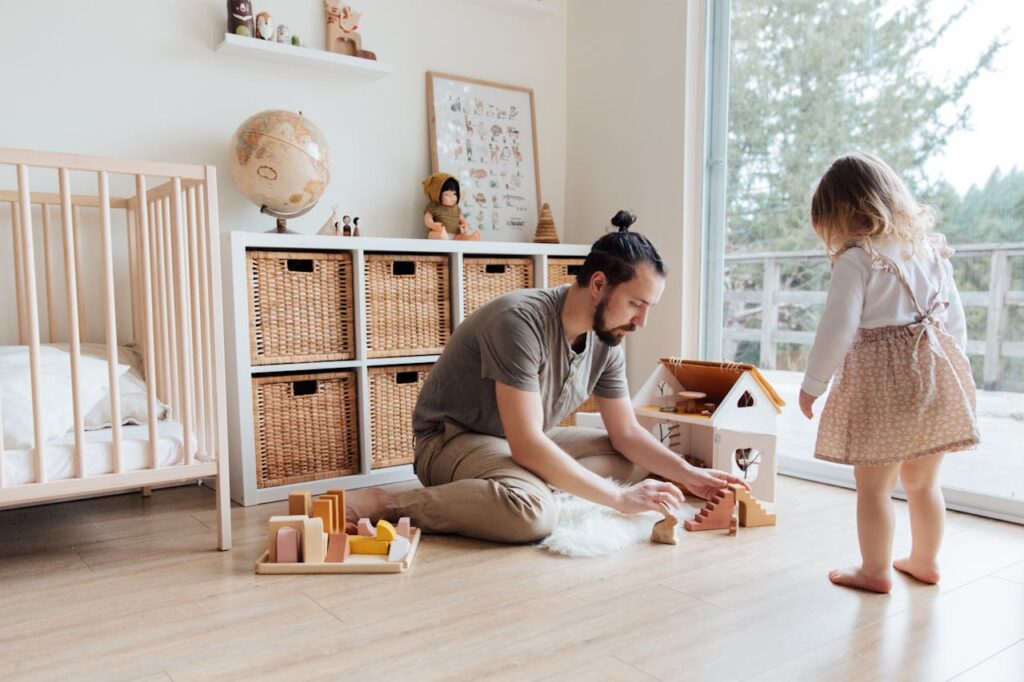
After moving long distance with kids, one of the most helpful things you can do is set up their space first. Kids feel safer when they’re surrounded by familiar things. As soon as you arrive, focus on getting their bedroom ready before tackling the rest of the house. Unpack their bed, sheets, favorite toys, and nightlight. Having a clean, organized space to sleep in on the first night helps reduce anxiety and creates a sense of normalcy. Even if the rest of the home is still filled with boxes, their room can be a place of comfort and calm.
Let them help set up the space too. Ask where they want their books or toys, and give them a say in small details. That little bit of control goes a long way in helping them settle in. You don’t need to make the room perfect on day one—just functional and familiar. If you’re also planning upgrades in the new place, consider how those changes might affect your kids’ routine. You can learn more about managing both moving and home projects by reading about how to how to organize your house renovation. Setting up your child’s room right away also helps you focus on the rest of the house with fewer interruptions. Moving long distance with kids is easier when they feel grounded. And that starts with a space that feels like their own, even in a brand new home.
Explore the New Area Together
Once you’ve arrived, it’s important to explore the new area together. Kids feel less anxious when they understand their surroundings. Walk around the neighborhood, visit a nearby park, or grab a snack from a local café. Let them see their new school building or meet a neighbor. This hands-on approach helps them adjust faster. It also creates a sense of connection to the new place. Let your children lead sometimes—ask where they want to go or what looks interesting to them. Turning discovery into a game can keep them engaged and excited.
If your new home is far from friends and family, exploring together can strengthen your bond and build new routines. It also helps your child shift their attention from what they left behind to what lies ahead. Exploring doesn’t have to be expensive or complicated. Even a walk through the streets can help your child feel more at home. If your move involves relocating to a completely different environment, like a coastal town or to one of the best U.S. islands to live on, it can be even more interesting. This can help you see the new area through a positive lens. Keep things light, follow your child’s pace, and don’t rush. Exploring together builds confidence, helps your child settle in, and creates new family memories. It turns a new place into something familiar—step by step, one outing at a time.

Encourage Social Connections
After a long distance move, kids often miss their old friends. Helping them build new connections can make a big difference in how they adjust. Start by looking for local parks, community centers, or sports teams where kids can meet others. You don’t need to force anything—just give them chances to interact. Enroll them in classes or clubs based on their interests. Dance, art, soccer, and science groups are all great options. If your child is shy, talk to their teacher about pairing them with a buddy at school. Invite a neighbor’s child over for a short playdate or walk to school together. It doesn’t have to be a big event. Even simple moments like these can help kids feel accepted in a new place.
Be patient—some kids take longer to warm up, but small steps help build confidence. If your child is older, check if the school has welcome programs or student ambassadors to ease the transition. Also, keep in touch with old friends through video calls or letters. Staying connected to the past makes it easier to embrace the present. After a long distance move, social support is just as important as unpacked boxes. Making new friends helps kids settle emotionally, gives them a sense of belonging, and adds fun to the process. Moving is about more than just changing your address—it’s about building a new life. And friendships are a big part of that. Take it slow, but keep moving forward together.
Seek Support if Needed
Sometimes, even after you’ve done everything right, your child might still struggle with the move. That’s okay. Every child reacts differently. If sadness, anxiety, or behavior changes last for weeks, it might be time to seek help. Talk to a school counselor or family therapist who works with children. These professionals can give both you and your child tools to cope with the change.
Also, check in with your child’s teacher. They often notice things parents may miss. Support groups—online or in-person—can also help, especially if your child is shy or slow to open up. There’s no shame in asking for help. A long-distance move is a big shift, and getting support early can prevent bigger problems later. It shows your child that asking for help is a healthy choice. You don’t have to do everything alone. Support is out there, and using it can make a lasting difference.

Keep Kids Grounded During Big Changes!
Moving long distance with kids takes patience, planning, and emotional support. It’s not just about packing and unpacking—it’s about helping your children feel safe and ready to start fresh. Keep routines steady, involve them in the process, and stay open to their feelings. Explore your new area together and help them build friendships. Each small step adds comfort and stability. With the right mindset and preparation, your family can adjust and grow stronger. Relocating long distance with kids is never easy, but it’s a journey you don’t have to face alone. Stay flexible, stay present, and lead with care!