
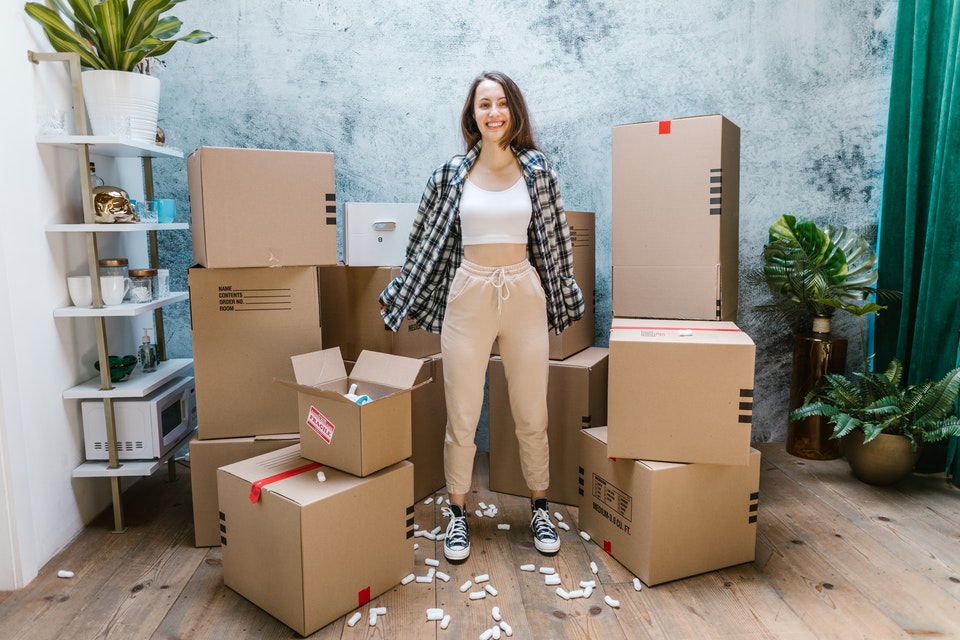


Moving out for the first time is a big step toward independence. It brings excitement but also new responsibilities. Planning ahead can make the process easier. Budgeting, packing, and finding the right place are key steps to a successful move. Without preparation, unexpected costs and challenges can make the experience stressful. First time moving out requires careful planning to avoid common mistakes. Choosing reliable moving help can make the process much easier. Verified Movers can connect you with experienced professionals who handle moves efficiently. With the right approach, moving out can be a positive experience. Knowing what to expect will help you settle into your new home with confidence.
The Most Important First Time Moving Out Tip – Setting a Realistic Budget
Moving out for the first time comes with many financial responsibilities. Many first-time movers focus only on rent, but there are other costs to consider. Without a solid budget, expenses can quickly become overwhelming. Creating a plan before the move helps prevent financial stress.

Rent will be the largest expense, so it is important to choose a place that fits within your income. Most landlords require a security deposit, often equal to one or two months’ rent. This adds to the upfront cost of moving. Utilities such as electricity, water, gas, and internet may not be included in rent, so it is important to check before signing a lease. Groceries are another ongoing expense. While cooking at home saves money, regular grocery shopping still requires planning. Moving costs also add up. Hiring best long distance movers, renting a truck, or buying packing supplies can be expensive. If possible, asking friends or family for help can reduce costs.
Furnishing a new place is another expense that many first-time movers overlook. A bed, couch, table, and kitchen essentials are necessary for daily living. Thrift stores, online marketplaces, and budget-friendly stores can help save money on furniture. Planning ahead and tracking expenses can prevent financial struggles. Setting aside extra funds for emergencies is also important. Unexpected costs may arise, and having a financial cushion provides security. With a realistic budget, first-time movers can feel more prepared and confident as they start this new chapter.
Hire a Reliable Moving Company
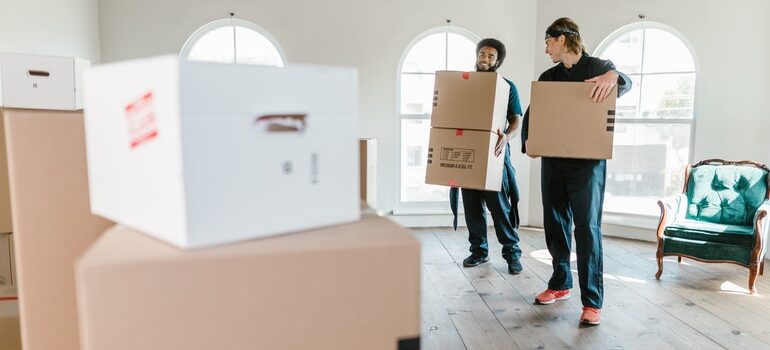
When you are relocating for the first time, hiring professional movers doesn’t seem important. You probably think you can handle everything on your own. However, having someone knowledgeable on your side can be an immense help. It can really take the stress out of moving. Nowadays it is easier than ever to find a company that suits your needs. Thousands of moving companies reviews Georgia, for example, are at your fingertips.
It’s especially nice to be able to filter through the services you need. Maybe you want to pack on your own and only need help with transport. Or, on the other hand, you want a full-service experience, make sure to negotiate with moving companies. Whatever your needs are, make sure the company you choose is licensed and certified. Moreover, their workers should be specially trained and use modern techniques and equipment.
Choosing the Right Place to Live
Finding the right place to live is one of the biggest decisions when moving out. It affects daily life, finances, and overall well-being. First time moving out requires careful planning to avoid costly mistakes. The first step is researching different locations. A place close to work, school, or public transportation can save time and money. Long commutes add stress and increase transportation costs, so convenience matters.
Affordability is another major factor. Rent should fit within a realistic budget without causing financial strain. It is important to consider all living expenses, not just rent. Utilities, groceries, and other monthly costs must be factored in to avoid struggling later. Safety is just as important. Checking crime rates, reading reviews, and visiting the area at different times of the day can provide insight. A safe neighborhood brings peace of mind and reduces risks.
Understanding lease terms before signing is also essential. Some agreements require a 12-month commitment, while others offer flexible month-to-month options. Reading the contract carefully ensures there are no hidden fees or strict rules that might cause issues later. For those planning to live with roommates, discussing expectations early can prevent conflicts. Setting clear rules for bills, chores, and shared spaces keeps the household organized. Open communication is key to a comfortable living situation. Taking time to research and evaluate different options will make the process easier. First-time movers should prioritize affordability, safety, and convenience to ensure a positive living experience.

Packing and Moving Essentials
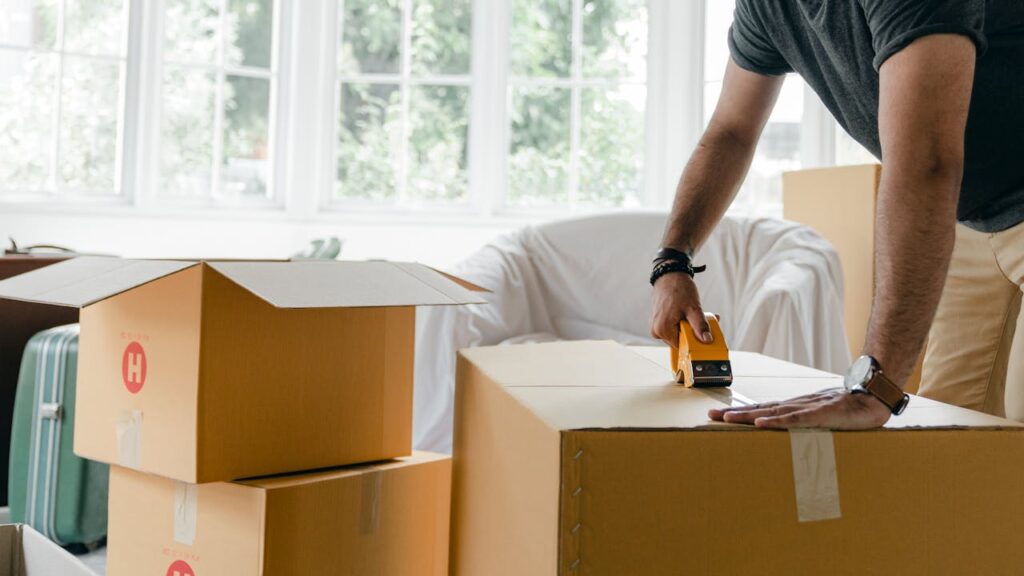
Packing can be overwhelming, especially for a first-time move. Many people underestimate how much they own until they start boxing everything up. Starting early and following a plan can make the process easier. The key is to pack efficiently while keeping important items easily accessible. The first step is to declutter your home before the move. Moving is the perfect time to get rid of unnecessary items. Selling, donating, or throwing away things that are no longer useful will save space and make unpacking easier. Once decluttering is done, strong packing materials are essential. Cheap boxes can fall apart, leading to damaged belongings. Investing in sturdy boxes ensures everything stays secure during transport.
Labeling each box is another important step. Writing down the contents and the intended room helps when unpacking. Using color-coded labels or markers can speed up the process. To avoid searching for necessities after moving in, packing an essentials box is a smart move. This box should include chargers, toiletries, a change of clothes, important documents, and any daily-use items.
On moving day, having a checklist helps prevent last-minute stress. Confirming transportation, whether a rented truck or friends helping with the move, should be done in advance. Keeping keys, rental agreements, and identification easily accessible is also necessary. Packing an overnight bag with basic supplies ensures a comfortable first night in the new home. Lastly, cleaning the old place before leaving avoids potential issues with landlords or deposits. With good preparation, moving day can go easily. A well-organized packing process saves time, reduces stress, and makes settling into the new place much easier.
Setting Up Your New Home
When you unpack after a move, the job is not done. A new home needs to be functional and comfortable before it truly feels like home. First time moving out can feel overwhelming, but focusing on a few key tasks will make the process easier. The first priority is setting up utilities. Water, electricity, gas, and internet should be working from day one. If they are not already activated, contacting service providers immediately is necessary. Without power and running water, unpacking and settling in becomes difficult.
After utilities, unpacking essentials should be on your post-moving checklist. The kitchen, bedroom, and bathroom are the most important areas to set up first. A working kitchen allows for home-cooked meals, the bedroom should be ready for a good night’s sleep, and the bathroom needs to be stocked with basic toiletries. There’s no need to unpack everything at once, but having these spaces functional will make adjusting to the new home easier. Next, purchasing basic household items is important. Cleaning supplies, trash bags, and groceries should be on the first shopping list. Lightbulbs and batteries may also need replacing.
Before fully settling in, checking for maintenance issues is necessary. Any broken fixtures, leaks, or safety concerns should be reported to the landlord immediately. Waiting too long may lead to unnecessary expenses or rental disputes. There’s no need to rush the organizing process. With the right approach, a new place can quickly become a real home.
You have the freedom to decorate your new home any way you like
One of the best parts of moving into a new home is making it your own. You have the freedom to choose colors, furniture, and decorations that reflect your style. Whether you prefer a modern look or a cozy atmosphere, small details can make a big difference. Georgia, for example, has a rich mix of home styles, from city apartments to countryside houses, offering plenty of inspiration for interior design. Simple changes like adding plants, artwork, or new lighting can create a warm and inviting space.
If you’re moving from another state, setting up your new home can feel like a fresh start. Finding reliable movers can make the transition easier. Best interstate moving companies Georgia help with long-distance moves, ensuring your belongings arrive safely. With everything in place, you can focus on personalizing your space and settling into your new home. A well-decorated home brings comfort and a sense of belonging.

Keeping Your Space Clean
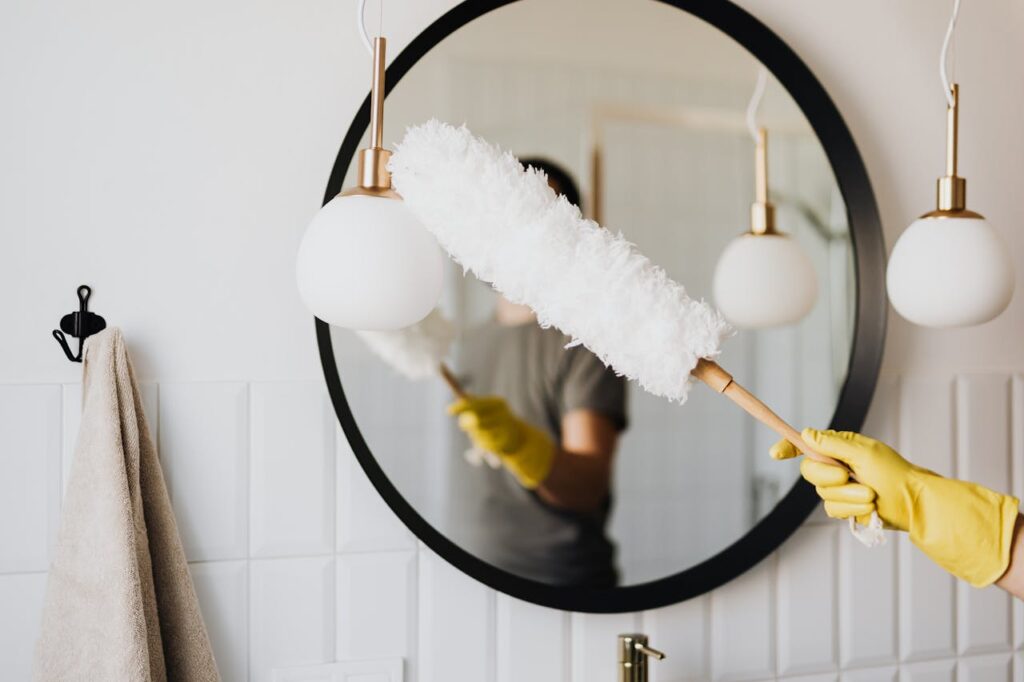
A clean living space creates a more comfortable and less stressful environment. Clutter and mess can build up quickly, making it harder to focus and relax. First time moving out means taking full responsibility for keeping your space in order. Cleaning regularly prevents overwhelming messes and keeps your home feeling fresh. Having a simple cleaning schedule makes things easier. Daily tasks like washing dishes, taking out the trash, and wiping down surfaces help prevent buildup. Leaving dishes in the sink or trash in the bin for too long can create odors and attract pests.
Weekly cleaning should include sweeping, mopping, vacuuming, and doing laundry. Dust and dirt collect over time, and neglecting floors can make deep cleaning more difficult later. Washing bedding and towels weekly also improves hygiene. Once a month, deeper cleaning tasks should be done. Scrubbing the bathroom, wiping down kitchen appliances, and decluttering unnecessary items help maintain a tidy space.
A little effort each day prevents the need for overwhelming cleaning sessions. Organizing belongings and putting things back in their place after use also reduces clutter. Keeping a clean home is part of independent living, and developing good habits early will make life much easier.
Staying Safe and Secure
Living alone comes with new responsibilities, and safety should be a priority. First time moving out means learning how to protect yourself and your belongings. A secure home brings peace of mind, and simple precautions can prevent problems. Locking doors and windows is the most basic safety measure. Even if the neighborhood feels safe, an unlocked door invites risks. Investing in a door chain or security bar adds an extra layer of protection.
Being careful about who enters your home is also important. Never let in strangers or unexpected visitors without verifying who they are. Delivery workers and maintenance staff should always have proper identification. Renter’s insurance is another smart decision. It protects against theft, fire, and property damage. Many landlords require it, but even if they don’t, having coverage can save money in case of unexpected incidents.
Knowing emergency exits is essential, especially in apartment buildings. If a fire or emergency happens, having a plan in place can make evacuation quicker and safer. If something feels off, trust your instincts. Whether it’s a suspicious person near your home or strange noises at night, taking precautions can prevent bigger problems. A secure home is a comfortable home. Practicing simple safety habits will help create a safe and stress-free living environment.

Handling Emergencies
Unexpected problems happen, and being prepared makes a big difference. From power outages to medical emergencies, knowing how to respond quickly can prevent panic and frustration. Power outages can happen without warning. Keeping flashlights and extra batteries in an easy-to-reach place ensures you’re not left in the dark. If outages last longer than expected, knowing where to find candles and having extra food supplies can help.
Getting locked out is another common issue. Leaving a spare key with a trusted friend or neighbor prevents the need for expensive locksmith services. Some landlords also have emergency keys, so checking in advance can be helpful. Plumbing problems can cause serious damage if not handled quickly. Learning where the water shutoff valve is located can prevent flooding from a burst pipe or overflowing sink. For smaller leaks, keeping a basic tool kit and plumber’s tape can be useful until professional help arrives.
Medical emergencies require immediate action. Keeping a list of nearby hospitals, emergency contacts, and a small first aid kit at home can make a difference in urgent situations. Knowing basic first aid skills is also beneficial. Emergencies are unpredictable, but being prepared reduces stress. Taking a few steps now can save time, money, and trouble later.
Adjusting to Independent Living
Living on your own for the first time can feel exciting and overwhelming. First time moving out means adjusting to a new routine, managing responsibilities, and dealing with unfamiliar challenges. It’s normal to feel a mix of emotions, but there are ways to make the transition easier. Staying in touch with family and friends helps with loneliness. Regular phone calls, video chats, or weekend visits provide comfort and support. Maintaining relationships while building independence creates a healthy balance.
Meeting new people can make settling in more enjoyable. Joining local clubs, attending community events, or taking classes introduces opportunities to make friends. A social circle can provide both companionship and practical advice for adjusting to life alone. Keeping busy also helps. Setting goals, creating routines, and staying productive prevent boredom and give a sense of purpose. Whether it’s work, school, or personal projects, having a structured day makes independent living feel more fulfilling.
Moving out is a big step, but with time, it becomes easier. Developing good habits and embracing new experiences will make the transition easier. Learning to live independently takes time, but each challenge helps build confidence and self-sufficiency.
Start Your New Chapter with Confidence!
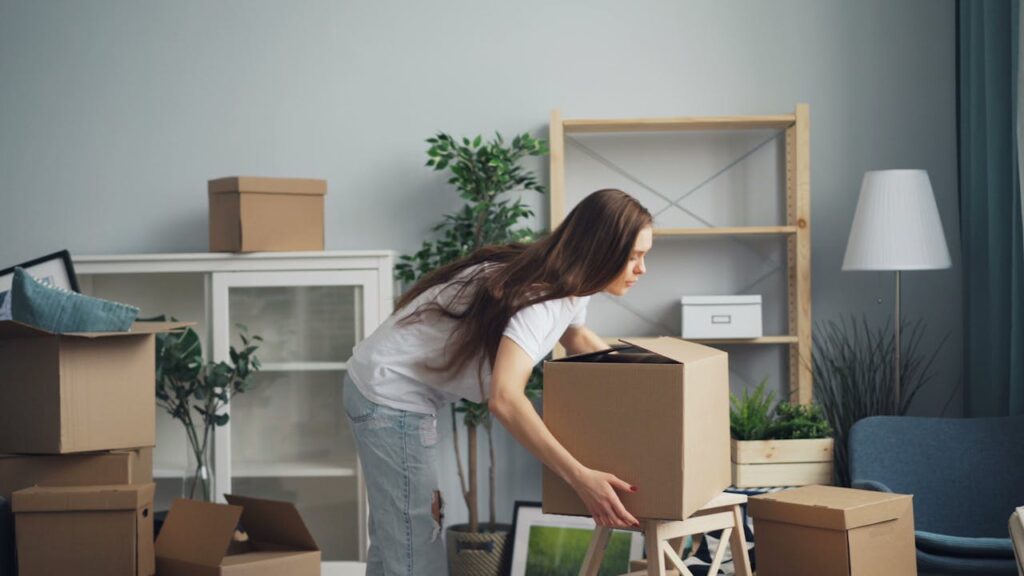
First time moving out is a big step that comes with new responsibilities and exciting opportunities. Planning ahead, setting a budget, and choosing the right place will make the process easier. Packing efficiently, staying organized, and keeping your home clean will help you adjust faster. Prioritizing safety and preparing for emergencies will give you peace of mind. While the transition may feel overwhelming at first, building good habits and staying connected with family and friends will make it easier. With the right mindset and preparation, first-time movers can enjoy independence while creating a comfortable and secure home for themselves.