



Moving coast to coast with pets requires extra planning and care to ensure a safe and comfortable journey for your furry friend. From the right travel arrangements to essential preparations, there are several steps to make the experience less stressful for both of you. We will cover all you need to know for a successful cross-country move with your pet! In case you need help to find the ideal moving team, there’s no need to worry! Read Verified Movers reviews and it will be much easier than you think!
Planning the Journey
Moving your pet from one coast to another requires careful planning. Start by considering your mode of transport. Will you be driving, flying, or using a pet transport service? Each option has pros and cons. Your choice will depend on your pet’s personality, your timeline, and budget.

Driving offers flexibility, letting you set the pace and provide regular breaks. It’s ideal for pets who handle car rides well and might feel less stressed in a familiar environment with you nearby. However, it’s time-consuming and can be tiring over long distances. Flying can save time but requires special preparation. Airlines have strict rules about pet travel, and not all pets are suited for it. Some pets may get anxious, and it’s essential to check if your airline allows pets in the cabin or if they’ll travel in cargo. Remember to research requirements, book well in advance, and have a pet travel crate that meets the airline’s specifications.
Pet transport services offer a middle ground. They handle most logistics, which can ease the process, especially if you’re traveling separately. It’s essential to pick reputable cross country movers New York, if you are moving there, who prioritizes animal welfare and offers direct routes to minimize stress on your pet.
Air travel with pets: What to know
Air travel with pets requires careful coordination. Here’s a breakdown of what to keep in mind if you’re moving coast to coast with your pets by airplane:
- Book direct flights when possible: A direct flight reduces the number of takeoffs and landings, which can be stressful for pets. It also minimizes the time spent in cargo, if that’s where your pet will be.
- Confirm airline policies: Not all airlines allow pets, and policies vary widely. Contact the airline well in advance to confirm requirements and check if pets are allowed in the cabin or if they’ll need to travel as cargo. Small pets are usually allowed in the cabin, while larger pets may need to travel separately.
- Choose the right carrier: Airlines often have specific requirements for pet carriers, especially for in-cabin travel. Make sure your pet can sit, stand, and turn around comfortably in the carrier. Test it at home to confirm comfort, and practice trips in the car with the carrier to reduce anxiety.
- Be aware of health requirements: Some airlines require a health certificate issued within ten days of travel. Your vet can provide this and help you understand if your pet is suited for air travel.
- Arrive early and stay calm: Airports can be stressful for pets. Arriving early gives you time to go through security without rushing. Stay calm and reassure your pet with a gentle voice and treats.

Check Local Regulations
When moving to a new state with pets, it’s essential to check local regulations to avoid unexpected issues. Each state has its own requirements regarding pet vaccinations, quarantine laws, breed restrictions, and specific rules for exotic animals. For example, there are some specific requirements for importing pets to Arizona. Some states require a recent health certificate or proof of rabies vaccination before entry, while others may have restrictions on certain breeds.
There are also some procedures for moving your pet to Hawaii. Researching these regulations ahead of time helps ensure a smoother transition, prevents potential fines, and keeps your pet compliant with local laws. Contact the state’s animal control or department of agriculture for up-to-date information.
Preparing Your Pet for the Move
Helping your pet adjust starts well before moving day. Here are some important steps to make moving with your pet easy and make sure they’re ready for the journey:
Visit the vet
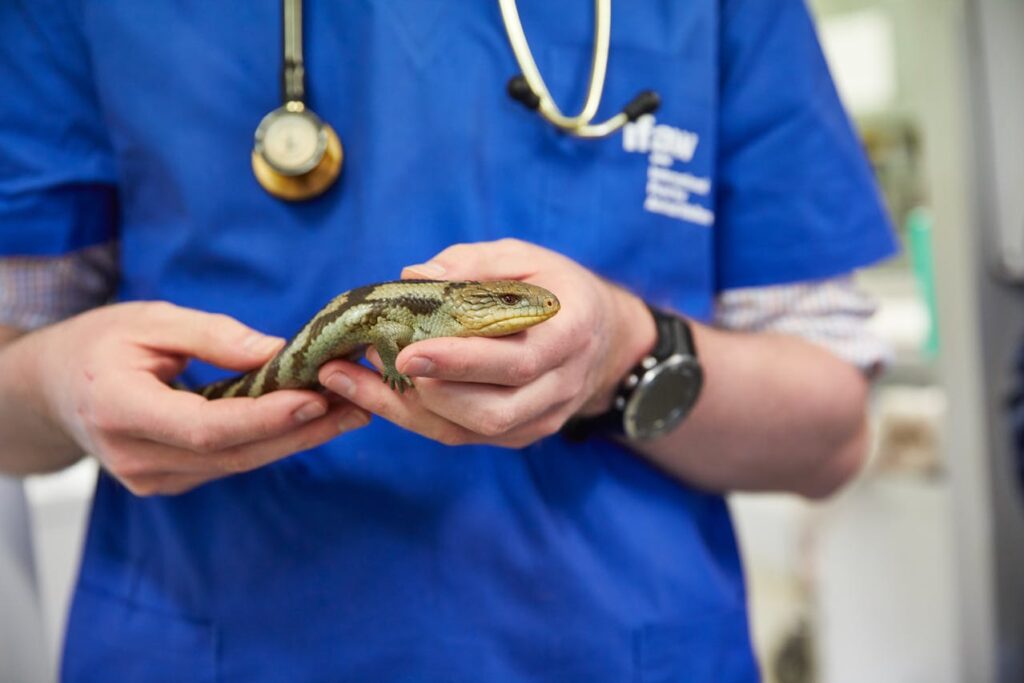
Scheduling a vet visit a few weeks before moving coast to coast with pets is an important step to ensure your pet’s health and comfort on the journey. During the visit, ask your vet to update vaccinations and obtain a copy of medical records. These records can be essential if you need to visit another vet during the move. Additionally, discuss any specific needs your pet might have, such as sedatives or calming solutions, especially if they tend to get anxious while traveling. A quick health check can give you peace of mind and help prepare your pet for a worry-free relocation.
Get your pet used to their crate
If your pet isn’t already comfortable with their crate, it’s time to start crate training a few weeks before the move. Place the crate in a familiar room, leaving the door open so they can explore at their own pace. Encourage them by placing treats, toys, or a favorite blanket inside, creating a space they associate with comfort and safety. As they become more familiar, try short car rides with them in the crate to help them adjust. This gradual process can reduce stress, making them more relaxed when it’s time to move coast to coast.
Pack a pet essentials kit
An essentials kit can make all the difference when moving coast to coast with pets. Include food, water, medications, waste bags, a sturdy leash, and a pet first aid kit to cover all bases. Bringing items that provide comfort, like a familiar toy or a blanket with your scent, can help ease anxiety and give your pet a sense of security. Having everything organized in one place means you’re prepared for any situation that arises, whether it’s a long drive or an overnight stay. This kit keeps both you and your pet relaxed and ready for the journey.

Update microchip and ID tags
Updating your pet’s ID tags and microchip details before the move is important for their safety. Make sure the information includes your new address and current contact number, so if they get lost during the move, they can be quickly returned to you. Checking and updating these details is a small step with big benefits, giving you peace of mind that your pet has identification if they wander off. In a new environment, where they might feel unsettled, this precaution helps ensure they stay safe and easily find their way back to you.
Tips for Moving Day
Moving day can be chaotic, and pets often pick up on stress. Follow these tips to help you prepare your pets for moving day with ease.
Keep pets away from the action
On moving day, the commotion of movers and open doors can create stress and safety risks for your pet. To keep them calm and secure, designate a quiet room away from the main activity. Place their bed, favorite toys, and water in this space to make it comfortable and familiar. This setup not only minimizes the chance of your pet slipping out through an open door but also helps them feel safe and less anxious. Reducing their exposure to the hustle and bustle keeps the day easier for everyone involved and ensures your pet stays out of harm’s way.
Stick to their routine
Maintaining your pet’s regular routine can make a big difference in easing their stress during the move to one of the most pet-friendly cities in America. Feed and walk them at the usual times, sticking as closely as possible to their normal schedule. Pets find comfort in familiar patterns, so even in the midst of a move, these simple actions can provide a sense of stability. Consistency in their feeding and activity times helps reassure them that, despite the changes, their needs remain met. It’s a small effort that can go a long way in keeping your pet comfortable and reducing anxiety during the moving process.
Plan breaks
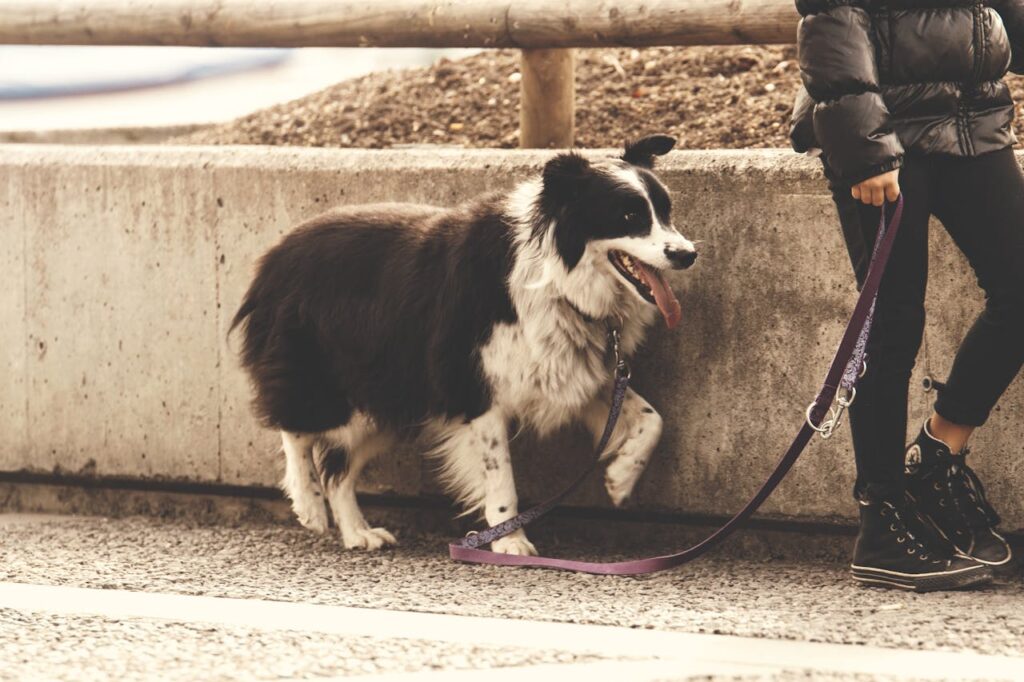
If you are moving coast to coast with pets and driving, it is important to travel safely with your pet. Plan for regular stops along the route. These breaks let your pet stretch, hydrate, and take a bathroom break, keeping them comfortable throughout the journey. Look for pet-friendly rest areas or parks where you can safely walk them. Aim for stops every few hours, as staying in a vehicle for extended periods can cause discomfort or restlessness. Having a planned schedule of breaks keeps your pet relaxed and helps you both recharge during the trip, making the cross-country drive a more enjoyable experience for everyone.
Prepare for security checks if flying
Flying with a pet involves extra steps, especially at airport security. When you reach security, you’ll need to remove your pet from their carrier to pass the carrier through the X-ray machine. Practicing this routine at home helps your pet feel more relaxed with being held and handled in unfamiliar settings. Consider using a harness for added control, as airports can be crowded and overwhelming. This preparation keeps your pet calm and makes the security process quicker, ensuring an easier experience for both of you on the way to your new destination.
Settling In at Your New Home After Moving Coast to Coast With Pets
Once you’ve reached your new destination, it’s important to help your pet adjust to their new environment. Here’s how to make the transition as stress-free as possible.
Create a familiar space
To help your pet adjust to a new home, create a dedicated area with familiar items like their bed, toys, and food dishes. Having these comforting items nearby provides a sense of security and eases their adjustment. Choose a quiet corner or a cozy spot where they can retreat if they feel anxious or overwhelmed. This familiar space serves as an anchor in an unfamiliar environment, giving them a safe zone to rest and relax. Taking this small step can make the transition easier, making your pet more comfortable in the new home from the very start.

Explore gradually
When introducing your pet to a new home, start with just one or two rooms. Let them get comfortable in these areas before gradually expanding their access to other parts of the house. Giving them space to explore at their own pace helps reduce feelings of overwhelm, especially in larger homes. Some pets may take longer to adjust, so be patient and let them set the pace. Gradual exploration helps them build confidence and familiarity with their surroundings, allowing them to feel more in control of their new environment, making the adjustment process smoother for everyone.
Maintain consistent routines
Sticking to a consistent routine can ease your pet’s stress and help them adapt to a new home. Feed, walk, and play with them at the same times each day to give them a sense of stability. Pets thrive on predictability, and maintaining familiar routines provides comfort and reassurance. Even small routines, like the order of their morning walk or bedtime ritual, can go a long way in making them feel secure. Consistency in daily activities helps your pet understand that, despite the change in location, their needs and habits remain a priority.
Introduce new scents slowly
Pets are highly sensitive to new scents, which can impact how they adjust to a new space. Introducing unfamiliar smells slowly helps them get used to their surroundings without feeling overwhelmed. Start by bringing in items with neighborhood scents or let them explore new rooms one at a time. This gradual approach helps prevent sensory overload, especially for pets that are easily stressed by unfamiliar environments. Allowing them to sniff and explore these new smells at their own pace can make them feel more at ease and less wary of the changes around them.
Watch for signs of stress
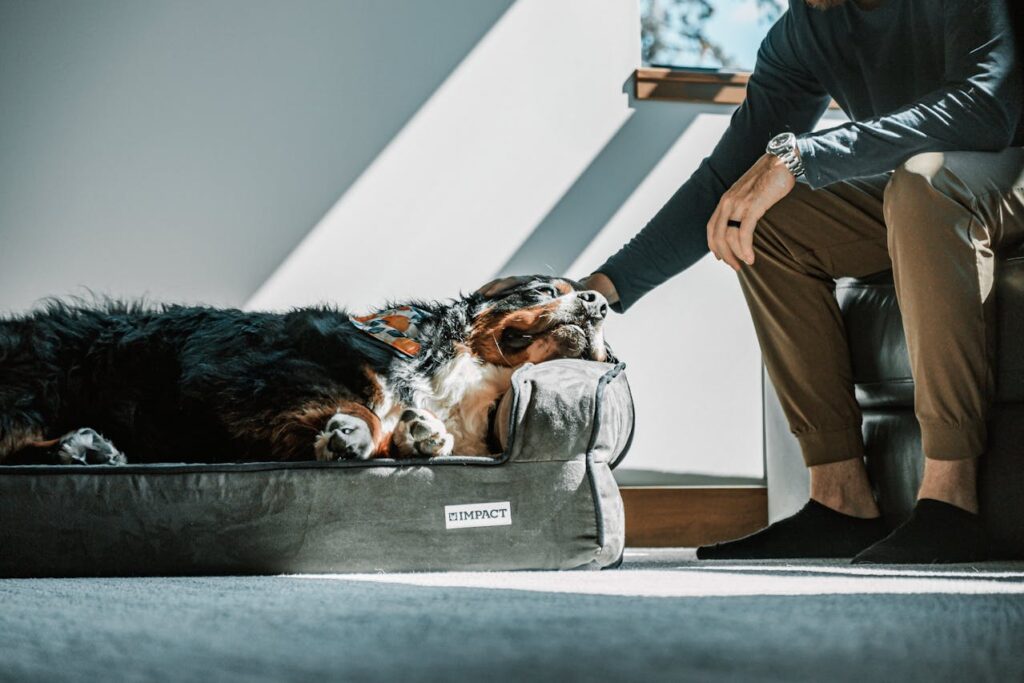
Moving coast to coast with pets can be just stressful for them as it is for humans, and it’s important to monitor their behavior for signs of anxiety. Common indicators include reduced appetite, hiding, excessive grooming, or increased vocalization. If these behaviors continue over time, it may be helpful to consult a vet or a pet behavior specialist for advice. They can recommend calming techniques or even short-term solutions to help your pet adjust. Addressing signs of stress early helps ensure your pet’s well-being and contributes to a more positive experience in their new home.
The First Week After the Move
The first week in a new home is essential for helping your pet feel safe and comfortable. Taking gradual steps will ease their transition and reduce stress. Here are some key actions to consider:
- Limit their space at first: Start by confining your pet to one room or a small area, allowing them to explore the rest of the home gradually. This prevents overwhelm and gives them a safe base.
- Maintain familiar routines: Stick to your usual feeding, walking, and play schedules. Even in a new environment, familiar routines help provide stability and reassurance.
- Offer extra attention and reassurance: Moving can heighten anxiety for pets, so spend extra time with them. Petting, talking, and engaging in familiar play activities reinforces a sense of safety and normalcy.
- Give them time to settle in: Pets may take days or even weeks to fully adjust. Allow them to explore at their own pace, without forcing new interactions or introductions to people or other animals.
Taking these steps can make a significant difference in your pet’s comfort and confidence in their new home. Gradual exploration, consistency, and patience go a long way in helping them settle, ensuring a less stressful adjustment period.
Finding Pet Services in Your New City
Finding pet services in your new city is an important step to keep your pet healthy and comfortable after a move. If you’re relocating with cross country movers California, especially to a city in California, researching local veterinarians, pet stores, groomers, and pet-sitting services ahead of time can make a big difference. Knowing where to go for regular care, emergencies, or supplies reduces stress for both you and your pet.
Online forums and social media groups for pet owners in your new area are valuable resources. These communities are often filled with local pet owners who share recommendations, advice, and useful information on everything from reliable vets to pet-friendly parks. Asking for tips or recommendations in these groups can help you find trusted services and help your pet settle in faster. For those moving to California, tapping into these local networks is especially helpful, as each city has unique services and pet-friendly spots that vary widely. With the right support, your pet will feel at home in no time.

Keep Your Pets Safe and Comfortable!
Moving coast to coast with pets takes some planning, but the effort ensures an easier transition for both you and your furry friend. By following a few key steps—like setting up a familiar space, keeping consistent routines, and planning for any needs during travel—you’ll make the move far less stressful. From vet visits to crate training, each action you take before the move helps create a safer and more comfortable experience. Once in your new home, give your pet time to adjust and explore at their own pace, offering them extra attention and reassurance along the way. By preparing in advance and keeping your pet’s well-being in mind, relocating coast to coast with pets can be a positive experience, setting up both of you to settle in and feel at home in your new surroundings!