
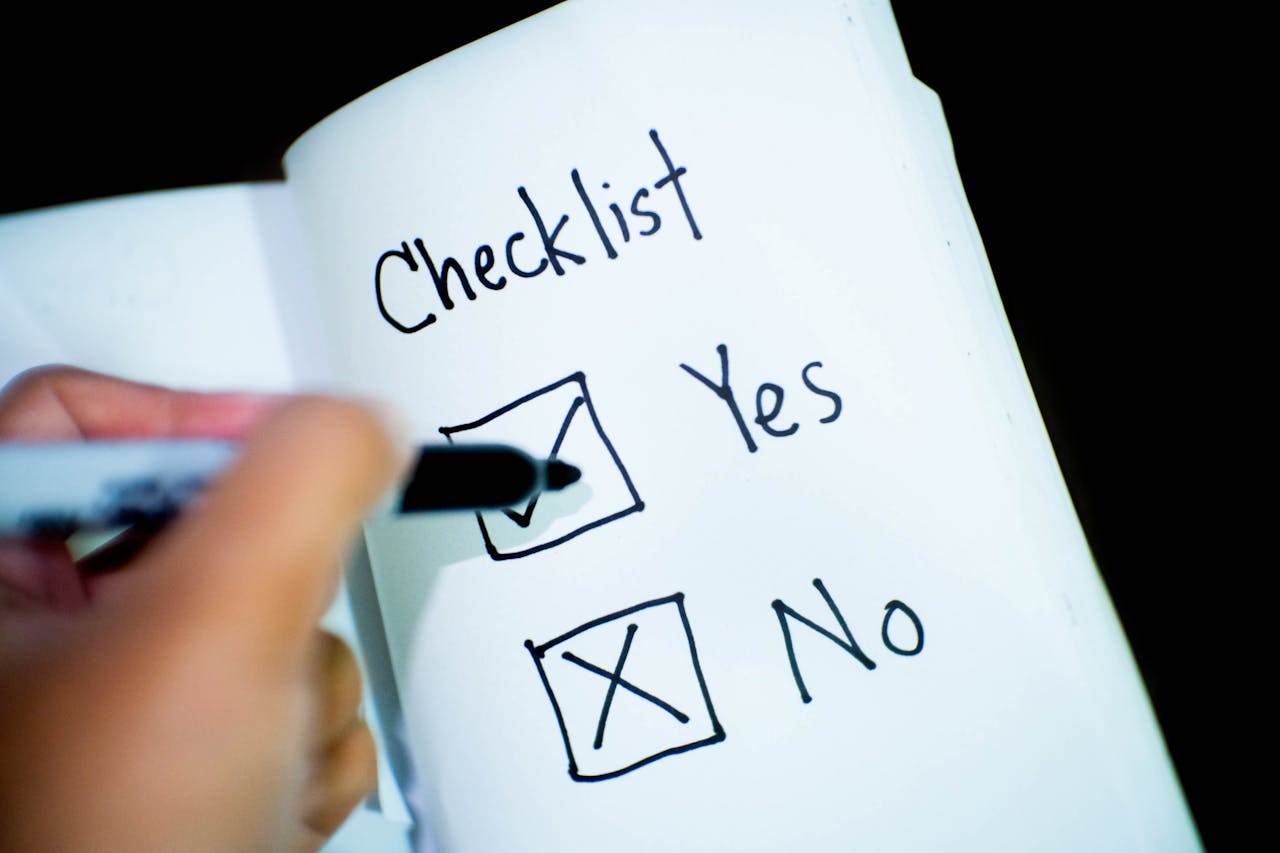


Moving into a new home comes with many things to do. A post-moving checklist can help you stay on track. It keeps everything organized and ensures you don’t forget important tasks. Whether this is your first move or not, having a plan saves time and effort. For helpful tips, check out Verified Movers! With the right tools and a clear plan, you can settle in faster and start enjoying your new home. Follow this guide to get everything done easily and stress-free!
Why Should You Create a Post-Moving Checklist?
Creating a post-moving checklist helps you stay organized and reduces stress after moving into your new home. It ensures you don’t forget important tasks like unpacking essentials, setting up utilities, and updating your address. A moving checklist keeps everything on track, saving time and preventing last-minute chaos. It’s a simple way to tackle tasks one step at a time, so you can focus on settling in comfortably. With clear priorities laid out, you can make the process easier and less overwhelming. Here are some things you should include into your checklist!
Unpack essentials first
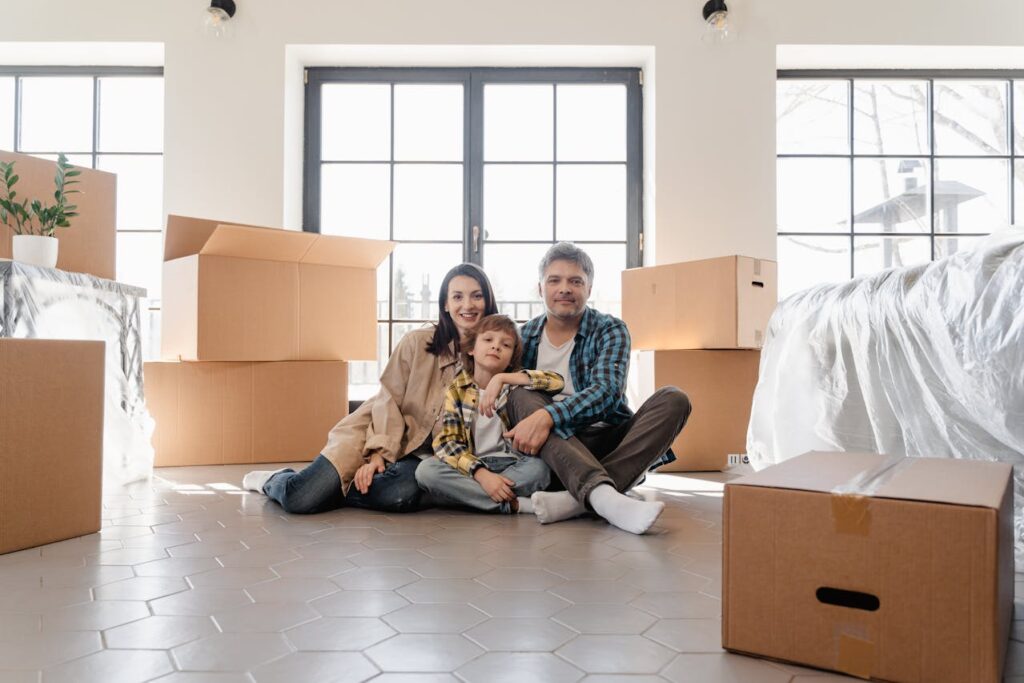
Unpacking essentials first helps you settle in quickly and reduces stress. Begin with items you need immediately, like bedding, toiletries, and basic kitchenware. Setting up these essentials allows you to maintain your routine while sorting through the rest of your belongings. Prioritize comfort by making your bed and ensuring your bathroom is functional. It is also important to organize the kitchen. In the kitchen, unpack items like plates, cups, and utensils so you can prepare meals without hassle. Keep a box cutter within reach to open boxes more efficiently. Focusing on essentials first keeps your space functional as you tackle the rest of the unpacking at your own pace. This small step makes a big difference in adjusting to your new home.
Take inventory
After settling in, before you start the unpacking process, it’s important to take inventory of your belongings to ensure everything arrived safely. Use your post-moving checklist or inventory sheet to cross-reference items as you unpack. Check each box for damage or missing items, and make notes about anything that doesn’t match your list. Pay special attention to valuable or fragile items to confirm they are intact. If you discover something is missing or damaged, contact your moving company immediately to report the issue. Providing details, like the box number or item description, can help resolve the problem faster. Taking inventory not only helps you keep track of your belongings but also ensures that any issues are addressed promptly.
Inspect your new home
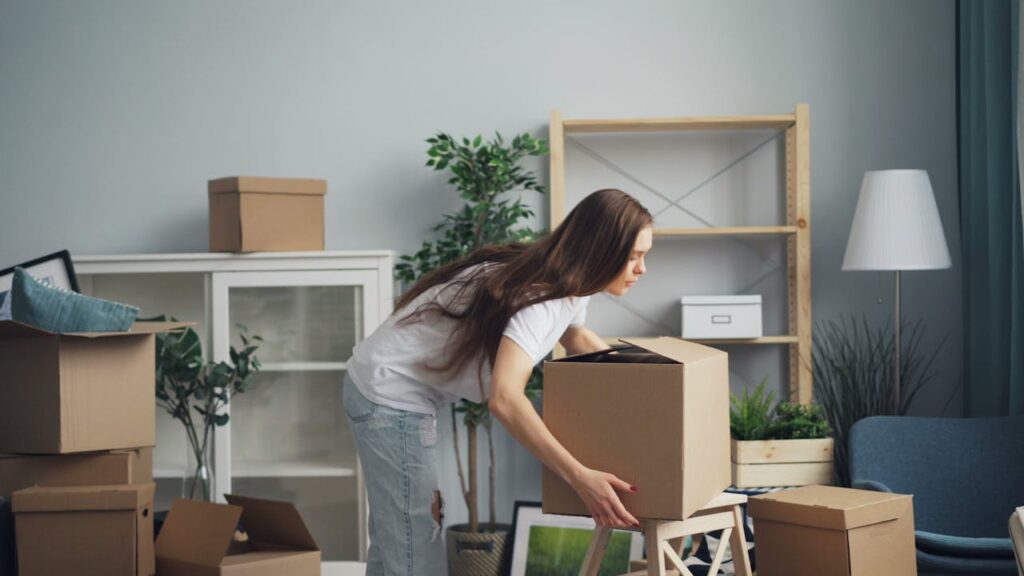
Inspecting your new home as soon as you move in is an important step to ensure everything is in order. Walk through each room carefully, checking for damage or issues that may have happened during the move. Look for dents, scratches, or broken items, especially in high-traffic areas like doorframes or walls. Test all light switches, faucets, and appliances to confirm they work properly. Make sure plumbing is functioning and that there are no leaks or water damage.
If you notice anything wrong, take clear photos and document the issues. Reach out to your landlord or moving company to report problems immediately. Quick action can help resolve concerns and prevent further complications. This process also ensures your home is safe, comfortable, and ready for you to settle in. Taking the time to inspect your space can save you time, money, and stress in the long run.
Get utilities in your new home up and running
One of the first things to cross on your post-moving checklist is to get your utilities up and running. If you haven’t arranged this yet, contact your providers immediately. Confirm that electricity, water, gas, and internet are active and ready to use. These essentials ensure your home is livable and comfortable from the start. If any services require installation, schedule appointments as soon as possible to avoid delays. Keep important account information handy to speed up the process. Setting up utilities early prevents disruptions and allows you to focus on settling in. Having everything running smoothly, from hot water to reliable internet, ensures a comfortable environment where you can unpack and adjust with ease. It’s one of the most practical steps to feeling at home in your new space after moving from Miami to Chicago, or anywhere else.
Change your address
You have physically changed the address, but don’t forget to update your new address. Take some time to inform your employees, colleagues and important institutions about it. Sending a few e-mails doesn’t hurt. And if you don’t have enough time to leave the house and stand in line, no worries! Through the U.S. Post Office, you can update your address online!
Secure your home
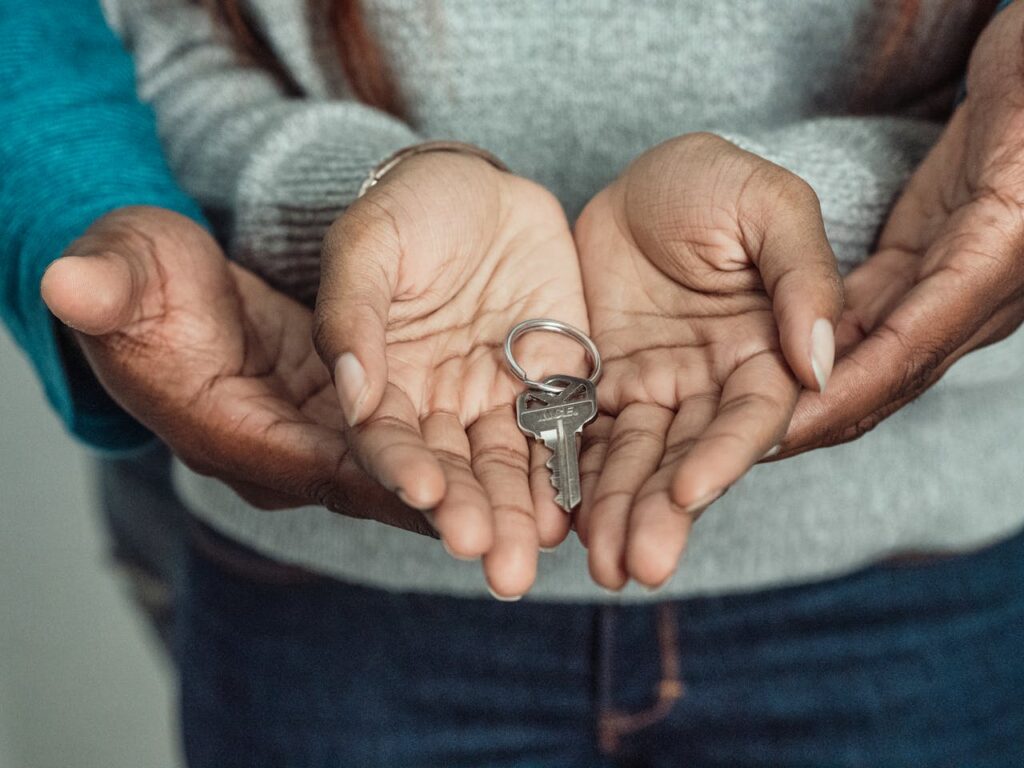
Securing your home is an important step after moving in. Start by changing the locks on all doors to ensure no one else has access. Test smoke detectors throughout the house, replacing batteries if necessary, and install carbon monoxide detectors if they’re missing. These safety devices protect your household from potential hazards.
Inspect windows to make sure they close and lock securely, especially on the ground floor. If you have sliding doors, consider adding additional locks or security bars for extra protection. Outdoor lighting, such as motion-sensor lights, can deter intruders and increase visibility at night. Taking these steps not only improves safety but also provides peace of mind. A secure home allows you to focus on settling in and enjoying your new space without unnecessary worries.
Clean your space
Cleaning your new home is an important step before fully settling in. Even if the space appears tidy, it’s a good idea to clean every area thoroughly. Pay extra attention to high-touch surfaces such as countertops, door handles, light switches, and bathroom fixtures, as these spots often carry germs. Wipe down cabinets and shelves before unpacking your belongings to ensure they are ready for use. Scrubbing floors and vacuuming carpets can also help remove any dirt or allergens left behind. If you’re moving into a home with appliances, clean them inside and out, including the refrigerator, oven, and microwave. A deep clean not only creates a healthier living environment but also gives you peace of mind knowing your space is fresh and ready. Taking the time to clean helps you feel more comfortable and truly makes the house feel like your own.
Meet the neighbors
Meeting your neighbors is a great way to settle into your new home and feel more connected. Introduce yourself to to new neighbors after moving. A simple introduction can go a long way in creating a friendly atmosphere. Take a moment to greet those living nearby and ask about local events or recommendations for the best places to shop, dine, or explore. Building these connections early helps you feel more at home in your new surroundings.
To strengthen these relationships further, consider learning how to throw a housewarming party after the move. Hosting a casual gathering gives you a chance to meet more neighbors in a relaxed setting while sharing your new space. These efforts not only make your location feel more welcoming but also establish a sense of community. Getting to know the people around you can turn neighbors into friends, making your transition smoother and more enjoyable.
Register your vehicle
If you’ve relocated to a new state, updating your vehicle registration and driver’s license is also something you should not forget. Each state has specific rules and timelines for completing this process, so check your local Department of Motor Vehicles (DMV) or equivalent agency for guidance. Gather the required documents, which typically include proof of residency, your current registration, and insurance. Be prepared to pay fees associated with the registration and license update. Some states may require a vehicle inspection or emissions test before approving the registration. Completing this task ensures you comply with state laws and avoid penalties.

Explore local services
Exploring local services after your move is a practical way to familiarize yourself with your new community. Start by locating essential places like grocery stores, pharmacies, and medical facilities. Knowing where these are helps you handle daily tasks and prepare for unexpected situations. Identify the closest emergency services, including hospitals, urgent care centers, and fire stations, to ensure you’re ready if the need arises. Take some time to explore other useful services like banks, post offices, and gas stations.
If you have pets, look for nearby veterinarians or pet supply stores. Learning where these key locations are makes day-to-day life more convenient and helps you settle into your new environment faster. Familiarity with your area gives you confidence, ensuring that you’re prepared for both routine needs and emergencies.
Set up trash and recycling
Getting your trash and recycling services in order is one more thing to do from your post-moving checklist. Contact your local waste management company to set up service as soon as possible. Ask about collection schedules for regular trash, recycling, and bulk waste to avoid missed pickups. Take a moment to learn what items are recyclable in your area, as guidelines can vary by location. Set up clearly labeled bins in your home to make sorting waste easier. Knowing how to dispose of items properly keeps your home tidy and helps you contribute to environmental efforts in your community. Taking care of this early ensures your household runs smoothly and avoids clutter piling up. This simple step is key to maintaining a clean and organized space as you settle in.
Decorate to make it yours
Personalizing your new home is a great way to feel more comfortable and settled. Start by adding touches that reflect your style and make the space uniquely yours. Hang photos, artwork, or framed prints to brighten up walls. Install shelves for both decoration and storage. If permitted, consider painting an accent wall to add warmth and character to a room. Small details, such as throw pillows, rugs, or plants, can also make a big difference in how cozy and inviting your home feels. Focus on one room at a time to avoid feeling overwhelmed. These small changes not only help you feel more at ease but also create a space that truly feels like home. Decorating is an ongoing process, so enjoy adding new elements over time to keep your home evolving with your taste. Also, hiring a professional organizer after a move can be very helpful!

Organize important documents
Keeping your important documents in order is very important after moving. Create a dedicated space, like a filing cabinet or storage box, to organize paperwork related to your home. Include items such as your lease or mortgage documents, utility agreements, warranties, and insurance policies. This system ensures that essential papers are easy to find when needed, saving time and reducing stress. Consider dividing documents into labeled folders or sections for added organization. Keep this storage area in a safe and accessible spot, away from potential damage like water or fire. Having everything in one place makes it easier to track bills, handle repairs, and address emergencies without unnecessary delays. A little effort now can prevent future headaches, ensuring that your household runs easily and efficiently.
Child and pet proofing
Making your home safe for children and pets is a must after moving in. Start by checking for potential hazards like exposed outlets, sharp corners, and unsecured furniture. Install outlet covers, corner protectors, and safety gates to prevent accidents. Secure heavy furniture and TVs to walls to avoid tipping. If you have stairs, use gates to block access for small children or pets. Inspect cabinets and drawers for hazardous items like cleaning supplies or sharp tools, and use safety locks where necessary. Keep small items that could be swallowed out of reach. Additionally, ensure your home’s windows and doors are secure to prevent falls or escapes. A safe environment gives you peace of mind, allowing everyone to settle in comfortably. Taking these precautions ensures your household is both functional and secure for every family member.

Inspect HVAC systems
Your heating, ventilation, and cooling (HVAC) system plays a big role in maintaining comfort and air quality in your home. Schedule a professional HVAC inspection to check for any issues with the system. Replace air filters right away to improve airflow and reduce allergens. Clean vents and ducts to remove dust buildup, ensuring efficient operation. Test your thermostat to confirm it’s working correctly and set it to your preferred settings. If you notice strange noises or uneven heating and cooling, address these problems quickly to avoid costly repairs later. Regular maintenance extends the life of your system and lowers energy bills. Taking these steps ensures your HVAC system runs efficiently and keeps your home comfortable year-round. Don’t delay—this investment in upkeep can save you time, money, and stress in the long run.
Review your budget
After the move, reviewing your budget is a smart way to regain control of your finances. Assess all expenses related to the move, such as payments to movers, deposits, or utility setup fees. Ensure that all outstanding bills have been paid and keep receipts for reference. Adjust your monthly budget to account for new costs like utilities, homeowner’s association fees, or increased commuting expenses. Track your spending carefully to avoid overspending during this transitional period. Identify areas where you can cut back, such as subscriptions or non-essential purchases, to balance your finances. Reviewing your budget helps you stay on track and avoid financial stress. With a clear plan in place, you can focus on enjoying your new home without worrying about unexpected expenses.
Stay Organized After the Move!
Completing your post-moving checklist ensures an easier transition into your new home. From unpacking essentials to securing your space, each task plays a role in creating a safe and comfortable environment. Staying organized helps you avoid unnecessary stress and allows you to settle in faster. Use the checklist to track your progress and prioritize tasks, ensuring nothing is overlooked. Small steps like setting up utilities, cleaning, and meeting neighbors make a big difference in how quickly your new house feels like home. A well-executed checklist gives you peace of mind and a solid foundation for enjoying your new space. Make your move a success by using this guide to stay on top of everything that needs attention!