


Moving into a new area offers the perfect opportunity to make fresh connections and friendships. When you introduce yourself to new neighbors, it lays the groundwork for a supportive community atmosphere. Verified Movers offers practical tips on how to approach neighbors warmly and effectively. We’ll cover everything from the initial greeting to fostering ongoing neighborly bonds. Whether you’re a first-time homeowner or a seasoned mover, these straightforward strategies will help you integrate easily into your new neighborhood. Let’s explore how simple gestures and open communication can create lasting relationships right where you live.
Approach Them Before You Even Move to Your New Home
Well, after you buy a house in, for instance, in Essex, Vermont, you can go over to your closest neighbor’s house. You can simply introduce yourself and say that you are going to be their new neighbor. You can ask them if they know some quality long distance moving companies Essex, that they can recommend. This type of approach can be really impactful even though it may not seem like a big deal at first glance. People like being asked to help, so if you approach them with this kind of attitude, they will subconsciously develop an I-want-to-help-you attitude, thus deepening your relationship right from the start. Also, since you will probably be gone for the duration of your move, when you get back, you will have already set up ground floor for a potential friendship!
Make the First Move After Relocating
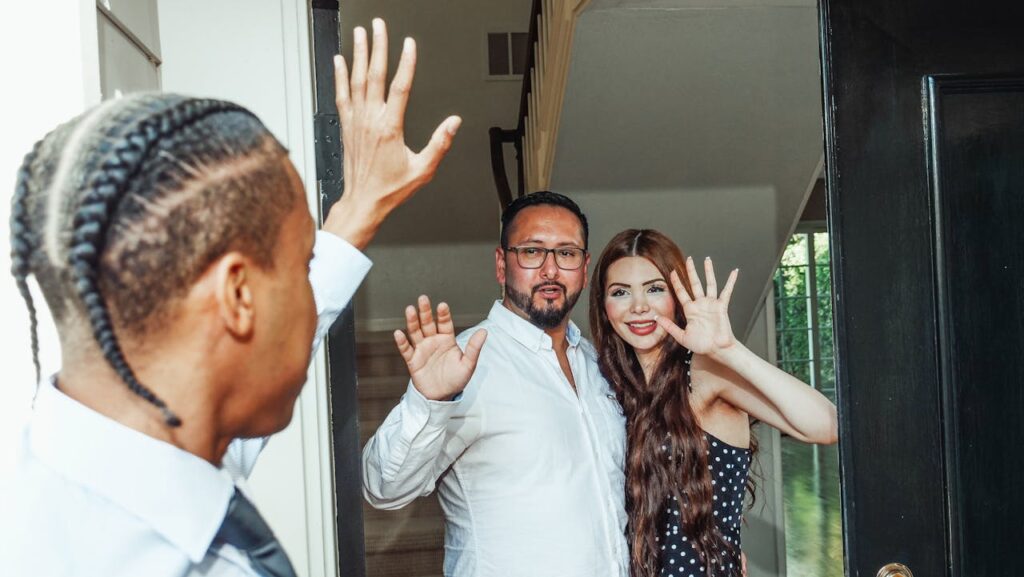
Taking the first step to introduce yourself to new neighbors sets a friendly tone for your future interactions. Instead of waiting for others to make the first move, take the initiative. A simple knock on their door can significantly warm relations right from the start. This gesture of goodwill doesn’t just show kindness. It also breaks down barriers and starts conversations. Such actions can positively influence how neighbors view you, laying the foundation for mutual respect and camaraderie.
When you show openness and generosity, it often encourages the same behavior in return. Establishing this initial connection can make a profound difference in adapting to your new neighborhood and community after relocation. So, don’t hesitate—reach out, introduce yourself, and start shaping the welcoming neighborhood you want to be part of.
Smile and Be Friendly
A warm, genuine smile is your first tool in creating a welcoming impression when you introduce yourself to new neighbors. This simple act holds universal appeal and can bridge any initial awkwardness, making you appear more approachable and friendly. Smiling not only eases the person in front of you, but it also sets a positive tone for the entire conversation. When you smile, it signals openness and willingness to engage, which can encourage your neighbors to respond in kind.

This initial interaction is crucial as it lays the groundwork for future exchanges and helps to foster a friendly neighborhood atmosphere. Remember, a smile is more than just a courteous gesture; it’s an invitation to connect and share. It conveys a message of kindness and readiness to build relationships within your community. By starting with this simple, positive action, you set yourself up for pleasant and supportive interactions that can enrich your experience in your new home.
Keep It Short and Sweet
When introducing yourself to your new neighbors, it’s best to keep your introduction concise and to the point. Let’s say that you have moved to Burlington, and long distance movers Burlington are unloading your things. While they deal with your stuff, go to any of the neighbors and start with your name, mention where you’ve moved from, and share a brief reason why you chose this particular neighborhood. Such directness not only conveys respect for their time but also makes it easy for them to remember you. If your neighbors appear busy or if it’s not a convenient time, suggest another opportunity to chat. This shows consideration for their schedule and sets a respectful tone for future interactions.
Keeping your introduction short and meaningful leaves room for more detailed conversations later. This approach helps build a foundation of mutual respect and curiosity, encouraging a friendly rapport that can grow over time. Remember, the goal is to make a positive and lasting impression that paves the way for a good neighborly relationship.
Ask Questions
Showing interest in your new environment is a great way to introduce yourself to new neighbors and connect with them. When you meet them, ask about the area. Inquire about local amenities, their favorite spots, or trustworthy service providers. This not only provides you with useful information but also keeps the conversation lively and engaging. People often enjoy sharing their knowledge and experiences, which can help you feel more at home. These interactions can also reveal shared interests or common needs, laying the groundwork for ongoing community relationships. Always keep the questions friendly and general to ensure the conversation remains light and pleasant.

Offer Your Help
Offering your help is a powerful way to build trust and camaraderie with your neighbors. Let them know that you’re there if they need assistance, whether it’s looking after their home while they’re away or lending a hand with a DIY project. Acts of kindness like these can strengthen community bonds and establish a culture of mutual aid. This doesn’t just benefit others; it also enriches your own living experience, creating a supportive neighborhood network where everyone looks out for each other.
Organize or Attend Social Gatherings
Attending or organizing neighborhood events is an effective way to foster connections. If there are any upcoming events, make sure to participate. Alternatively, consider hosting a casual gathering like a barbecue or a coffee morning. These social settings provide a relaxed atmosphere for deeper conversations and allow neighbors to get to know each other beyond surface-level interactions. Regular social gatherings can transform a mere residential area into a close-knit community.

Respect Boundaries
While it’s important to be friendly, respecting personal boundaries is equally crucial. Be mindful not to overstep by asking overly personal questions or invading someone’s private space. Observe and respond to social cues that suggest whether someone is open to interaction or needs privacy. Maintaining this balance is key to building trust and comfort within your neighborhood. By showing respect for boundaries, you ensure that your attempts to be friendly are well-received and appreciated.
Be Considerate
Respecting community rules and norms is essential when you become part of a new neighborhood. Whether it’s adhering to noise regulations, proper parking, or maintaining your property, showing that you value community standards is key to fostering good relationships. By being mindful of these simple guidelines, you demonstrate consideration for your neighbors’ comfort and well-being. This respect goes a long way in establishing trust. It ensures that everyone can enjoy a pleasant and peaceful living environment. Always remember, being a good neighbor isn’t just about following rules—it’s about showing that you care about the community and its residents.

Stay Positive
It’s important to keep your interactions with neighbors upbeat. Avoid bringing up negative experiences from previous living situations or complaints about other neighbors. A positive demeanor is infectious and contributes to a welcoming atmosphere. When you focus on the positives, it encourages others to do the same, enhancing the overall vibe of the neighborhood. This approach makes communal spaces more inviting and social interactions more enjoyable, paving the way for a supportive and friendly community dynamic.
Use Technology
Leverage technology to introduce yourself to new neighbors. Platforms like Nextdoor platform allow you to connect with your neighbors, learn about local events, and discuss community issues from the safety of your home. These tools are great for building relationships and staying informed about what’s happening locally. They provide a convenient and efficient way to engage with your community, ensuring you’re a well-integrated and active member. By using these digital platforms, you can maintain a constant connection with your neighborhood, fostering a sense of belonging and community spirit even when physical interactions are limited.
Follow Up
Maintaining ongoing interactions with your neighbors after your initial introduction is crucial. A simple wave or stopping for a brief chat when you encounter them reinforces the bond you began to build. These small, repeated gestures demonstrate genuine interest in being part of the community. They are the building blocks of a friendly neighborhood. Consistent positive interactions foster a sense of familiarity and trust, which are vital for a harmonious living environment. Over time, these consistent small acts help establish a friendly rapport that contributes to a supportive and connected community. So, continue to engage warmly whenever you see your neighbors; it shows your commitment to a pleasant neighborhood dynamic.
Be Patient
Building meaningful relationships within your neighborhood doesn’t happen overnight. It requires time, patience, and persistent friendliness. Not everyone may respond immediately or be open at first, but with a consistent and considerate approach, most people will gradually open up. Respect their pace and comfort levels as they get to know you. This patience and understanding can pave the way for deeper, more genuine connections. Remember, strong community ties are built on mutual respect and taking the time to understand each other’s boundaries and preferences. Don’t forget to stay close with your old friends and family after moving, too!
Handle Rejections Gracefully
It’s important to accept that not every neighbor will be interested in forming a connection, and that’s completely acceptable. If someone doesn’t seem eager to interact, respect their preferences and don’t take it personally. Focus your energy on building relationships with those who are receptive to your friendly overtures. Handling these situations with grace and understanding helps maintain a positive atmosphere in the community. It also shows that you are a considerate and respectful neighbor, qualities that contribute to the overall harmony and cooperation in the neighborhood.
Set an Example
Be the neighbor you want to have. By demonstrating kindness, respect, and a welcoming demeanor, you set a standard for others in your community. Your behavior can significantly impact the neighborhood’s atmosphere, encouraging a culture of mutual respect and friendliness. This proactive approach not only makes your immediate surroundings more pleasant but also inspires others to act similarly. An engaging and supportive neighborhood often starts with individuals who are willing to lead by example.
Remember Important Details
When neighbors share details about personal milestones or significant events, make an effort to remember and acknowledge these. Whether it’s a birthday, an anniversary, or a professional achievement, recognizing these occasions shows that you value your relationship beyond simple acquaintanceship. Celebrating these moments can deepen bonds and build mutual respect, enhancing the sense of community. This attentiveness to others’ important life events fosters a caring neighborhood environment where people feel valued and connected.
Stay Visible
Active participation in community life is key to keeping engaged with your neighbors. Regular outdoor activities, whether it’s walking your dog, jogging, or just spending time in your yard, help maintain visibility and approachability. Attending community events also plays a crucial role. This continual presence not only keeps you connected but also encourages casual interactions, which can strengthen community ties. Being visible and accessible makes it easier for neighbors to reach out, fostering a friendly and interactive neighborhood atmosphere.
Parties!
Parties are always a great way of meeting new people and there are two particular ways of using these to introduce yourself to new neighbors. Hire a professional organizer after a move and take some time for party!
- Host a party yourself – Making a housewarming party is a great way to get to know your neighbors. There are a number of ways that you can go about this. It all depends on the size of your home and your backyard. If your house is a bigger one, then you can pull off those big classic house parties that you always see in movies. If your backyard has enough space, then you can always make a big barbeque party there. Now, if you may like to avoid making a party at your house, or you may just don’t think it is practical. Then, you should ask around and find a hall or restaurant that you can try renting.
- Attending block parties – Once you move to a new neighborhood, it is always a great idea to show your new neighbors that you are a person that likes to take part in group activities. If something likes this comes up in a conversation, make sure that you, politely, of course, let them know that you are interested in this. Attending from time to time to block parties or going to neighborhood meetings is going to do go a long way in helping people get to know you and accept you a lot quicker. This is especially true if you show some initiative and take an active part in solving problems and/or organizing various events.

What Else Should You Do After Moving to Your New Neighborhood?
After moving into your new neighborhood, there’s more to do than just unpacking and settling in. When you introduce yourself to new neighbors, ensure you update your address with all necessary services and institutions. This includes your bank, employer, and subscription services to avoid any disruptions. Next, familiarize yourself with local amenities like the nearest hospital, police station, and public transportation options. It’s also a good idea to check out local schools, parks, and grocery stores to make your daily routine easier.
Don’t forget to register to vote in your new location. Another helpful step is joining local community groups or online forums. These can provide valuable insights and help you integrate more quickly into the community. Lastly, take the time to secure your new home. Change the locks for added safety and consider a security system if you feel it’s necessary. These actions will not only give you peace of mind but also help you start on the right foot in making your new house a home! If you’re moving with your pet, don’t forget about its needs, too!
Introduce Yourself to New Neighbors and Start the New Chapter!
Taking the first step to introduce yourself to new neighbors is crucial for building a supportive and friendly community. It’s about more than just saying hello; it’s about laying the groundwork for relationships that could last a lifetime. When you reach out with a smile, offer help, and share a little about yourself, you open the door to mutual respect and companionship. These initial interactions set the tone for future engagements and make your neighborhood more than just a collection of houses—it becomes a connected community. Remember, a simple introduction can lead to a stronger, more cohesive neighborhood environment, so don’t hesitate to make the first move. Start today, and see how your neighborhood transforms into a welcoming community!