



Preparing a vehicle for transport starts long before pickup day. Clear planning reduces delays, protects your car, and sets realistic expectations. Car shipping preparation focuses on simple steps that prevent damage, limit confusion, and support accurate inspections. Every detail matters, from removing personal items to documenting current condition. A well-prepared vehicle moves faster through the process and avoids avoidable issues at delivery. Reliable guidance also plays a role. Resources such as Verified Movers help vehicle owners understand carrier standards, pricing factors, and common mistakes. Strong preparation creates control, clarity, and confidence before the shipment begins!
Understand the Car Shipping Process First
Understanding the car shipping process first helps set clear expectations and prevents avoidable problems. The process begins once scheduling is confirmed and pickup details are shared. A driver arrives within the agreed window and completes a visual inspection with you present. That inspection creates the baseline condition report, which both sides review and sign. After inspection, the driver loads the vehicle and secures it for transport.

During transit, timing can shift due to traffic, weather, or route changes, so flexibility matters. Communication stays important throughout this stage. Near delivery, the driver confirms arrival and schedules a drop-off time. A second inspection then compares the vehicle’s condition to the original report. This step confirms consistency and closes the shipment properly. Knowing each stage in advance helps you prepare documents, stay available, and respond quickly if questions arise. Clear understanding leads to a better coordination and fewer surprises.
Choose the Right Transport Type
Transport type affects car shipping costs, protection, and timing. You should pick the option that fits your vehicle and schedule.
Open Transport
Open transport remains the most common option for vehicle shipping. Carriers use multi-level trailers designed to move several vehicles at once. This method works well for standard cars, SUVs, and trucks used for daily driving. Because carriers combine multiple shipments, scheduling often moves faster and pricing stays more accessible. Vehicles remain exposed to normal road conditions during transit, which reflects typical highway travel. Most shipments across long distances rely on this method due to availability and efficiency. Open transport suits owners who want reliable delivery without added handling steps. For many vehicles, this option provides a practical balance between cost, timing, and dependable service across regional and cross-country routes.
Enclosed Transport
This type of transport offers added protection during shipment by placing vehicles inside covered trailers. This setup limits exposure to weather, road debris, and outside elements. Owners often choose this option for shipping classic cars, vehicles with higher value, unique finishes, or special care needs. Fewer cars load onto each trailer, which can affect scheduling flexibility and pricing. Drivers usually apply soft tie-down methods and controlled loading procedures. Because enclosed carriers operate in smaller numbers, booking earlier helps secure preferred dates. This option focuses on controlled handling and added protection during the full journey, which appeals to owners who want extra care throughout transport.

Door-to-Door Versus Terminal Shipping
Door-to-door shipping delivers the vehicle as close as possible to your chosen address. Drivers select safe nearby locations if direct access feels limited. This option saves time and reduces coordination steps. Terminal shipping requires drop-off and pickup at designated facilities. While it can lower costs, it adds extra handling and travel time. Scheduling often depends on terminal availability and operating hours. Some owners prefer terminals for flexibility or storage needs, while others value direct delivery convenience. The right choice depends on location access, schedule control, and personal preference for involvement during pickup and delivery.
Confirm Pickup and Delivery Locations
Confirming pickup and delivery locations plays a major role in car shipping preparation and overall timing control. First, review street access at both locations and note tight turns, low branches, or parking limits. Then share accurate addresses and clear contact numbers with the carrier. Drivers need safe space to load and unload without blocking traffic or risking damage. If access looks limited, suggest nearby alternatives such as open lots or wide side streets.
Also, confirm local rules that affect large vehicles, including parking restrictions or time limits. As a result, the driver can plan the route and equipment without delays. Clear directions also reduce missed calls and rescheduled windows. Near delivery, stay reachable and flexible, since traffic or weather can shift arrival times. This planning matters even more for long-distance routes that cross multiple states. For shipments involving New Mexico, for example, terrain, weather, and distance can affect access choices. In those cases, coordination with experienced providers, such as cross country movers New Mexico, supports realistic delivery planning.

Remove All Personal Items
Removing all personal items is one of the most important steps in car shipping preparation and helps protect both the vehicle and the shipping timeline. Carriers do not insure personal belongings, so anything left inside creates unnecessary risk. Loose items can slide during transit and damage seats, panels, or interior trim. Added weight may also cause pricing issues or lead to refusal at pickup. Clear out the trunk, glove box, center console, door pockets, and storage areas under seats. Remove chargers, tools, paperwork, child seats, sunglasses, and any removable accessories. Find some packing materials and pack your personal stuff.
Do not overlook items stored in rear compartments or cargo nets. Electronics deserve special care, since vibration and temperature changes can cause damage. An empty interior also allows the driver to complete a clean and accurate inspection. That inspection becomes the official condition record used at delivery. When personal items remain inside, inspections take longer and disputes become more likely. Removing everything in advance keeps responsibility clear for both sides. It also prevents last-minute unloading delays that can disrupt schedules. A completely empty vehicle supports safer loading, clearer documentation, and a better shipping experience from pickup through delivery. Whether we are talking about commercial moving, residential one, or car shipping, it does not matter. Many moving companies will refuse to transport your car if it is full of your personal possessions.
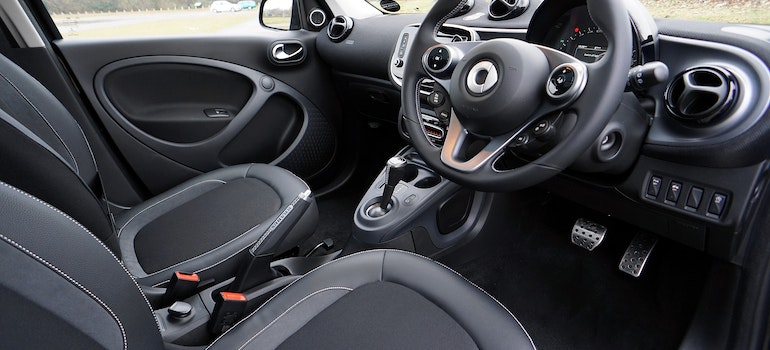
Clean the Vehicle Inside and Out
Cleaning the vehicle inside and out plays a practical role in shipping preparation and protects everyone involved. A clean exterior allows the driver to see the true condition of the paint, glass, and trim during inspection. Dirt and road film can hide scratches, chips, or small dents, which creates confusion later. Washing the car before pickup helps create an accurate condition report.
Interior cleaning matters just as much. Removing dust and debris improves visibility during inspection and prevents loose particles from shifting during transit. A clean cabin also makes it easier to confirm that no personal items remain inside. After cleaning, take clear photos in good lighting from all sides. Capture close-ups of existing marks and wider angles that show overall condition. These photos support the inspection report and help resolve questions at delivery.
Cleaning also reduces stress during the handoff process. The driver completes the inspection faster, and you can review the report with confidence. This step supports clear documentation, fair comparisons at delivery, and smoother communication. A clean vehicle does not change transport conditions, but it strengthens accountability and reduces disputes. That clarity saves time and helps the shipment stay on track from pickup through final delivery.

Check for Fluid Leaks
Checking for fluid leaks is an important step that protects safety and prevents shipping delays. Carriers refuse vehicles that leak oil, coolant, brake fluid, or transmission fluid because leaks create hazards during loading and transit. Even a small drip can spread across a trailer deck and affect other vehicles. Inspect the car several days before pickup so repairs fit the schedule. Park the vehicle overnight on a clean surface and check for spots underneath in the morning. Look around the engine bay, radiator area, hoses, and undercarriage.
Also check power steering and windshield washer reservoirs for signs of seepage. If you find a leak, repair it before confirming pickup. Temporary fixes often fail during transport and lead to rejection at loading. If a leak appears close to pickup day, contact the carrier immediately. Early notice allows rescheduling without wasted trips or extra fees. Confirm that repairs fully resolve the issue before transport. A leak-free vehicle loads faster and keeps the shipment moving on time. This step also protects other cars on the carrier and supports safer handling throughout the route. Proper leak checks reduce risk, avoid cancellations, and keep the shipping process running without problems.
Confirm Mechanical Condition
Confirming mechanical condition is a core part of car shipping preparation and helps prevent delays at pickup. The vehicle must roll freely, steer correctly, and brake on command so the driver can load it safely. Test the battery charge and replace weak batteries that may fail during loading. Check the brakes, including the parking brake, and confirm smooth steering response at low speed. Inflate tires to the recommended pressure and inspect for damage that could affect loading stability. Verify that the transmission shifts properly and that the vehicle moves without hesitation. Address warning lights that signal starting or charging issues.
If the car requires special starting steps, share clear instructions with the carrier. Disclose any known mechanical limits before scheduling. Vehicles that cannot move under their own power require special equipment and planning. Early disclosure prevents rejection and rescheduling fees. Run a short test drive a few days before pickup to confirm reliability. Listen for unusual sounds and resolve issues promptly. Mechanical readiness speeds inspections, supports safe securement, and keeps the shipment on schedule. This preparation protects the vehicle, the driver, and other cars on the trailer, while reducing stress on pickup day.

Disable Alarms and Tracking Alerts
Disabling alarms and tracking alerts prevents unnecessary issues during auto transportation and protects the vehicle’s battery. Motion sensors, shock alarms, and tilt alarms can activate while the car sits on a moving trailer. Repeated alerts distract drivers and can drain power before delivery. Before pickup, turn off factory alarms and any aftermarket security systems. If the vehicle uses a tracking app, pause notifications for movement, door access, or ignition changes. Continuous alerts can cause confusion during loading and unloading. Remove or disable toll tags as well, since automatic charges may register while the carrier passes toll points.
If the vehicle includes a smart key system, confirm that the key remains accessible and functional without triggering alerts. Some vehicles require specific steps to disable security features, so review the owner’s manual in advance. If full deactivation feels unclear, inform the carrier about the system so they know what to expect. This preparation reduces battery drain, avoids noise issues, and supports smoother handling. Drivers can focus on safe loading instead of troubleshooting alerts. Disabling alarms and notifications keeps the vehicle stable during transit and helps ensure it arrives ready to start without complications.
Check Tire Condition and Pressure
Checking tire condition and pressure is an important part of car shipping preparation and directly affects loading safety. Tires support the vehicle as drivers guide it onto ramps and secure it on the trailer. Low pressure can cause shifting during loading and make proper securement harder. Overinflated tires also increase risk, especially during long transit routes with temperature changes. Before pickup, inflate all tires to the manufacturer’s recommended levels. Inspect tread depth and sidewalls for cracks, bulges, or exposed cords. Replace damaged tires before scheduling transport. A flat or weak tire may lead to pickup refusal or require special handling.
Do not forget the spare tire if it sits under the vehicle or inside the trunk. Confirm it stays properly mounted and secure. Proper tire condition helps keep the vehicle stable once strapped down. It also reduces strain on suspension components during transit. Taking time to inspect and adjust tires prevents delays, avoids safety concerns, and supports a smoother loading process. This step protects your vehicle and helps the driver complete the job efficiently. Well-prepared tires reduce risk and keep the shipment moving as planned from pickup through delivery.

Auto Transport Insurance
We have already said just how stressful and anxiety-ridden car shipping preparation can be. So, it’s natural that you would want to make the process as easier as possible. While not the cheapest option, auto transport insurance will definitely give you peace of mind. Before you choose a moving company, be sure to carefully study car transport insurance. Some movers offer more than one type, so be sure to go through all of them. While these different types of car insurance might cover different scenarios, they will also cost you more (or less). All in all, when choosing auto transport insurance, be sure to consider the needs of your car, the state of your moving budget, and all of the following:
- Coverage: Determine the amount of coverage you need and make sure the insurance policy covers the full value of your vehicle.
- Deductible: Consider the deductible, which is the amount you will be responsible for paying in the event of a claim.
- Provider: Choose an insurance provider with a good reputation and a proven track record of providing reliable coverage. Also, knowing who regulates auto shipping companies is a must.
- Cost: Compare the costs of different insurance policies and choose one that provides the right coverage at a cost that fits your budget.
- Read the policy: Make sure you fully understand the terms and conditions of the policy, including any exclusions, before you sign on.
- Check for carrier liability insurance: If you’re shipping your car through an auto transport company, check if they already have liability insurance coverage and what it covers.
If you are having problems with car shipping preparation, the good idea is to consult an insurance professional to help you choose the best coverage for your specific needs.

Make Sure to Choose a Good Shipping Company
Choosing a reliable shipping company plays a major role in protecting your vehicle and your schedule. A strong provider follows clear procedures, communicates honestly, and respects agreed timelines. Poor choices often lead to missed pickups, unclear pricing, or damage disputes that create stress. Experienced companies also understand inspections, documentation, and driver coordination, which reduces confusion on both ends. This decision matters even more on long-distance routes or busy corridors. In areas with heavy transport demand, such as Dallas, working with proven professionals makes planning easier. Many customers compare options and rely on established names like top Dallas movers to support safe handling and dependable coordination through every stage of transport.
How to Find a Good and Trusted Auto Shipping Company?
Finding a good auto shipping company can be a challenge, but it’s an important part of car shipping preparation. With the right approach, you can make this process a lot easier. Here are some steps you can take to find a trustworthy and reliable auto shipping company:
- Do your research: Start by researching different auto shipping companies online, looking for reviews and recommendations from previous customers.
- Check licensing and insurance: Make sure the company is licensed and insured, and that the insurance coverage is adequate for your needs.
- Get quotes: Contact multiple auto shipping companies and ask for quotes. Compare the quotes and make sure you understand all the costs involved.
- Ask about their services: Find out what services the company offers and make sure they can meet your specific needs. For example, if you’re shipping a luxury car, make sure the company specializes in shipping high-end vehicles.
- Check their track record: Look at the company’s history, including how long they’ve been in business, how many vehicles they’ve shipped, and how many complaints they’ve received.
- Ask for references: Ask the company for references and contact previous customers to find out about their experiences.
- Verify their reputation: Check the company’s Better Business Bureau rating and look for any red flags or negative reviews.

How to Avoid Car Shipping Scams?
When it comes to car shipping preparation, there are some common red flags to watch out for. One of the most serious is the threat of car shipping scams. Here’s what you need to know to avoid falling victim to these unscrupulous practices.
Some car shipping companies are unregistered or unlicensed, which makes it difficult to hold them accountable in case of a problem. Before you choose a shipping company, make sure they are registered and licensed with the relevant authorities. Also, be wary of lowball quotes! Some car shipping companies offer low quotes to attract customers but then raise the price significantly once the car is already in transit. To avoid this, make sure to get a detailed, written quote from the company and understand all the costs involved. Furthermore, be on the lookout for companies that ask for a large upfront payment before shipping the car. In some cases, these companies will take the payment and then disappear, leaving you without your car or your money.

Handle Claims Promptly if Needed
Handling claims promptly protects your rights and improves the chance of a fair resolution. If you notice damage at delivery, act immediately and stay organized. First, note the issue on the delivery inspection report before signing. Written records matter more than verbal comments. Take clear photos in good lighting that show the damage from several angles. Compare these images with the photos taken before shipment to confirm changes. Then contact the carrier as soon as possible and request claim instructions in writing. Most companies set strict deadlines, and delays can void coverage. Follow the required steps carefully and submit all documents together. Include inspection reports, photos, repair estimates, and any correspondence.
Keep copies of everything you send. Stay factual and calm in all communication. Clear details support faster review and reduce disputes. Avoid repairs until the carrier approves next steps, unless safety requires immediate action. Quick response shows responsibility and keeps the process moving. While damage remains uncommon, prompt action ensures that insurance coverage works as intended and that the situation reaches closure without unnecessary delays.
International Car Shipping Preparation Basics
International shipping preparation requires extra planning and accurate documentation before the vehicle leaves the country. Start by confirming title ownership and export eligibility. Most destinations require the original title, a bill of sale, and valid identification. Some countries also request lien releases or notarized forms. Review destination import rules early, since requirements vary by port and country. Many regions enforce strict cleanliness standards, so wash the vehicle thoroughly, including the undercarriage. Customs inspections often check for soil, plant residue, or organic material. Remove all personal items, since international carriers follow strict cargo rules. Fuel levels usually need to stay low, and batteries must remain secure.
Shipping methods and transit timelines depend on port schedules and customs clearance speed. Delays often occur when paperwork contains errors or missing details. Work closely with providers who handle export coordination and customs filing. Clear communication helps prevent storage fees at ports. Prepare copies of all documents and keep them accessible throughout transit. International shipping adds layers of oversight, but strong preparation keeps the process controlled. Early planning reduces hold times, avoids fines, and supports an easier release once the vehicle reaches its destination.

Preparation Makes the Difference!
Strong car shipping preparation keeps the process clear, controlled, and predictable from start to finish. Each step supports safety, accurate inspections, and realistic timing. Clean documentation, mechanical readiness, and clear communication reduce delays and disputes. Small actions taken early prevent larger problems later. Preparation also helps drivers do their job efficiently and protects your vehicle during every mile of transport. When you plan carefully, you stay informed and confident at pickup and delivery. Car shipping works best when nothing gets left to chance. Follow proven steps, stay organized, and treat preparation as part of the shipment itself. That approach leads to better outcomes overall.