
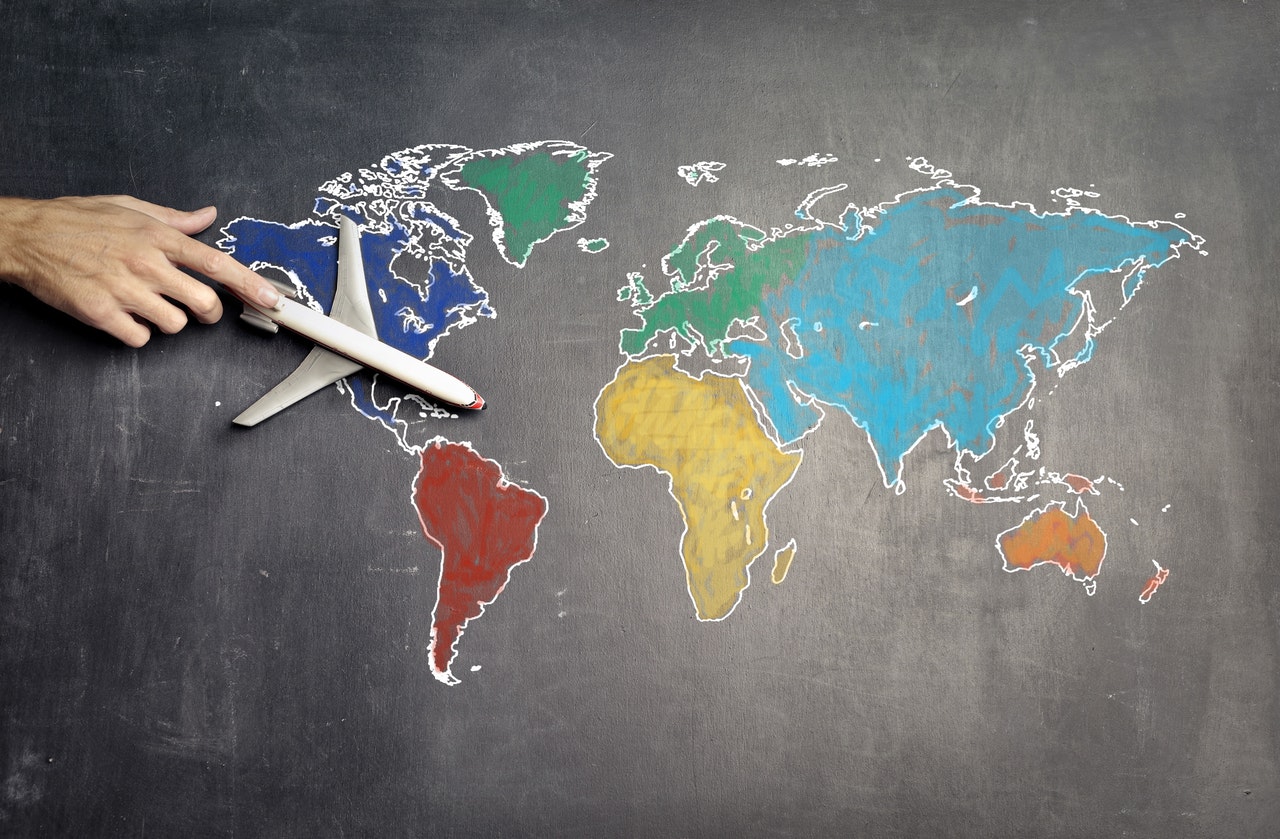


Moving abroad marks a major life change. It brings new routines, cultures, and challenges. Planning well reduces stress and surprises. You should set clear goals for your relocation and list the key factors you must address. You should also gather reliable information to guide your choices and prepare to adapt as you settle into your new home. Here, we will cover the main elements to consider when moving abroad. We will show you practical tips and real‑world insights. If you need the right moving team for your relocation, finding your ideal moving company through Verified Movers is the best thing to do!
Understanding the Moving Process
Understanding the moving process starts with clear planning and realistic expectations. The first thing to do is to research potential destinations and local regulations. You should also figure out your relocation timeline to meet deadlines and sort and pack personal effects well before your moving date. Then you decide whether to hire professionals or recruit friends for help.

For instance, people in Mississippi often need professional help when moving. They explore interstate moving companies Mississippi when moving abroad. Meanwhile you should gather packing materials and label each box by room, notify utilities and update your address ahead of the move. Furthermore you should schedule moving trucks and confirm dates in writing. Then you should plan travel routes and overnight stays for longer trips.
Things to Consider When Moving Abroad – The Breakdown
Moving locally and moving abroad are two very different things. When you move locally, there aren’t many things that could potentially go wrong. When a long distance is involved, the risk factor goes up. So what are some of the most important things to consider when moving abroad? Well, in general, before moving abroad, it is important to take into consideration the following:
- Financial Planning
- Visa and Legal Requirements
- Healthcare and Insurance
- Housing and Cost of Living
- Language and Communication
- Culture and Social Norms
- Packing and Shipping Belongings
- Emergency Preparedness
- Maintaining Connections
Financial Planning
Effective financial planning is one of the most important things to consider when moving abroad. Begin by examining your current savings and estimating all relocation expenses, including deposits, shipping costs, and any temporary housing. If you live in North Carolina, for example, knowing the cost of living there will clarify how much you should allocate for rent, groceries, and utilities once you arrive. While adjusting to new expenses, it often helps to compare moving quotes side by side and read client feedback to find reliable services. For example, families moving out of Charlotte area often review lists to select the best interstate moving companies North Carolina before booking their move.
Setting aside a small emergency fund can cover unexpected costs, such as storage fees or last‑minute changes to your travel plans. You might also trim your budget by selling unused belongings or borrowing sturdy packing materials from friends. Keeping a running log of every payment ensures you won’t face surprises later on. As bills come due, double‑check each vendor’s billing cycle and cancellation policy to avoid penalties. By reviewing your budget regularly and adjusting figures as you receive final invoices, you maintain control over your finances. With this balanced approach, you can focus on settling into your new home without constant worry about expenses.

Visa and Legal Requirements
Securing the right visa ensures you can settle legally and without unexpected interruptions. Many countries require specific visas based on employment, study, or family reasons. You begin by identifying your purpose and researching the matching visa category on official government sites. Preparing documents like bank statements, invitation letters, and criminal record certificates often takes several weeks. Embassy appointments tend to fill swiftly, so booking early brings peace of mind. You must also obtain certified translations and apostilles for key documents before submission.
When moving to Italy from US, for example, applicants typically choose between elective residency, work, or student visas. Elective residency requires proof of steady income and enrollment in private health insurance plans. Work visa candidates need a signed contract with an Italian employer and approval from regional immigration authorities. Student visa seekers must present an acceptance letter from an accredited institution along with proof of sufficient funds. After visa approval, you enter Italy within the designated timeframe printed on your visa sticker. Afterward you register with local authorities at the post office to apply for a residence permit called permesso di soggiorno.
This permit grants you legal status and access to healthcare and social services. You should renew this permit before it expires to avoid penalties or forced exit. Any family members moving with you must meet similar requirements for dependent visas. Consulting an immigration attorney or relocation specialist can clarify complex visa requirements. With detailed legal planning complete, you can focus on exploring your new surroundings without worry.
Healthcare and Insurance
Access to quality care depends on your insurance choice and local system understanding. When moving to Netherlands from US, for example, you quickly notice how differently providers coordinate services. Expat newcomers must register with a local health insurer within four months of arrival. Most residents join one of the private insurers that manage mandatory basic coverage. That coverage includes family doctor visits, hospital stays, prescription drugs and maternity services. You can add optional dental, physiotherapy or mental health services for an extra monthly fee.
Before selecting a plan, compare premiums, deductibles and approved provider networks in your area. Understanding emergency care protocols and specialist referral processes helps you avoid surprise costs. Registering with a general practitioner who offers translation support makes appointments easier. Checking waiting periods and policies for pre-existing conditions prevents unexpected bills later on.
Expats often coordinate benefits between their US plan and Dutch coverage for maximum protection. Learning reimbursement procedures and gathering required claim documents saves time and frustration. Visa status can influence your eligibility for certain insurance tiers and subsidies. Some newcomers use travel insurance to bridge coverage gaps during their transition period. Costs for basic plans vary by income level and age, so budgeting accurately matters. And remember that local pharmacies require prescriptions to fill most medications. Prioritizing these healthcare and insurance factors must feature high on your list of what to consider when moving abroad.

Housing and Cost of Living
Finding a suitable home defines your early experience and comfort in a new country. Rent prices differ widely across cities and districts, reflecting local demand and amenities. Urban centers often charge premium rents, while suburbs offer more space for lower costs. You should budget for upfront fees such as security deposits and agency commissions. Utility setup also requires deposits and monthly charges for electricity, water, internet, and gas. Research typical monthly expenses for groceries, transport, and entertainment to shape your budget. Cost of living comparisons help you forecast whether your salary will cover daily necessities.
In major global capitals, high living costs can strain even generous relocation budgets. You can offset expenses by sharing accommodations or choosing emerging neighborhoods on city outskirts. Checking rental listings on local platforms reveals realistic pricing and available options. Reading tenant reviews provides insights into landlord reliability and building maintenance standards. Contact former tenants or expat forums to confirm safety and community vibe. For instance, when moving to China from US, many newcomers compare rent costs in Shanghai versus Beijing. They evaluate service charges and cleaning fees before signing any lease. Final housing choices tie directly to your quality of life and financial stability. Therefore, housing and cost of living factors warrant thorough research and honest budgeting. These details represent key elements to consider when moving abroad.

Language and Communication
Effective communication paves the way for deeper connections in your new country. Learning the local language eases daily tasks and builds trust with neighbors and colleagues. Speaking common phrases reduces misunderstanding and encourages friendly conversations during social interactions. Apps and online courses help you grasp basic vocabulary and pronunciation at your own pace. Watching TV shows and listening to radio broadcasts immerses you in local speech patterns and idioms. Participating in language exchange meetups provides real world practice and cultural insights from native speakers.
Practice becomes more effective when you repeat new words in context with meaningful situations. Using a translation tool can help bridge early gaps while you improve your speaking skills. You also discover regional dialects and slang that textbooks often overlook or simplify. Engaging colleagues or classmates in small talk strengthens both your language skills and friendships simultaneously. Paying attention to nonverbal cues ensures you understand unspoken messages and cultural norms. Writing short journal entries in the foreign language promotes confidence and highlights areas for improvement.
An immersion mindset speeds progress as you speak and listen throughout your daily routines. Joining community clubs or sports teams sparks conversations and helps you move past initial anxiety. When moving to Sweden from US, for example, many expats join fika gatherings to practice Swedish over coffee. Adapting quickly to communication styles also involves respecting silence and polite pauses in conversations. Focusing on clear and simple exchanges builds a solid foundation for more complex discussions later.

Culture and Social Norms
Respecting local culture and social norms helps you fit in and feel welcomed. You notice differences in greeting styles, such as handshakes, bows or cheek kisses. Observing how people dress and speak shows respect for community values. You learn which topics feel private and which invite friendly debate. You also discover gestures that carry unexpected meanings. Celebrations and holidays often reflect deep traditions and shared history. Joining festivals or neighborhood events offers a chance to connect with locals in natural settings. You will gain insight into daily routines, such as meal times or quiet hours, and adjust your own schedule accordingly. Simple habits, like removing shoes at the door or waiting to be offered a seat, demonstrate your willingness to adapt. You might practice tipping customs that differ from home or follow recycling rules unique to your street.
Participating in volunteer opportunities or local clubs helps you understand group dynamics and decision‑making styles. You also observe how direct or indirect communication plays out in work and social settings. Over time, these small adjustments become second nature and boost your confidence in new surroundings. Embracing social etiquette and local customs lays the foundation for meaningful relationships and smoother integration into your adopted community.
Packing and Shipping Belongings
Deciding what to pack and ship requires thoughtful planning to protect your valuables and ease unpacking later. You should start by sorting items into keep, donate, and discard piles so your shipment only holds essentials. Using sturdy boxes and quality packing tape prevents damage during transit. Fragile items deserve extra cushioning with bubble wrap or crumpled paper to absorb shocks. You should also label each container with its contents and destination room to speed up unloading at your new home. Electronics benefit from original packaging when available, but you can substitute with custom‑fit foam inserts for bulky gear. Clothing and linens fit neatly into vacuum‑seal bags, which free up space and cut shipping costs.
You should also gather important documents, photographs, and small keepsakes into a personal bag you carry on your journey. Insurance adds another layer of protection in case of loss or mishandling en route. Booking your move well in advance secures the truck size and schedule you need. When comparing providers, check customer reviews and ask about handling fragile or high‑value shipments. In regions such as Massachusetts, many residents trust professional movers for long‑distance relocations. For example, families relocating from Boston often choose interstate moving companies Massachusetts to help them.

Emergency Preparedness
Building a solid emergency plan gives you peace of mind in a new country. You should compile essential phone numbers for local medical services, police, and fire departments. It also helps to register with your home country’s embassy so officials know where to reach you. Packing a compact kit with basic first‑aid supplies, flashlights, batteries, and copies of important documents prepares you for unexpected setbacks.
When facing severe weather or civil disruptions, having a clear exit route and a list of safe meeting points ensures you stay connected with loved ones. It pays to research local emergency alerts and download any official apps that send real‑time warnings. You might share your travel itinerary with trusted friends and family back home to keep them informed.
Remember to carry digital copies of your passport and insurance cards in a secure cloud folder for easy access. These measures rank high among factors you should consider when moving abroad. Practicing your emergency steps once settles nerves and highlights any gaps in your plan. In a foreign environment, quick access to reliable information and a well‑stocked kit can make all the difference. By weaving these preparations into your relocation strategy, you equip yourself to handle crises calmly and confidently, no matter where life takes you.
Maintaining Connections
Maintaining connections keeps you grounded when life turns unfamiliar. Regular video calls with friends and family bridge the distance and lift your mood. Sharing photos and travel stories strengthens bonds and sparks laughter across time zones. You can send short voice messages to check in between longer conversations. Writing postcards or emails adds a personal touch that digital chats often miss. Inviting loved ones to virtual tours of your new neighborhood makes them feel part of your adventure. Planning annual visits home or encouraging them to visit you creates shared memories to look forward to. You might join online groups that focus on your hometown to exchange updates and advice. Celebrating special occasions together through synchronized moments honors traditions you both cherish. Even small gestures, such as sending local treats, remind everyone that distance cannot weaken true friendship. A steady effort to stay in touch ensures you carry the warmth of home wherever you settle.

Move Forward with Clarity!
It is apparent that moving abroad is a different ball game altogether. Having to deal with documentation and other risks involved makes this a more challenging task than local moving. There are simply more things to consider when moving abroad than when moving nearby. This is why it is important to get professional help. Having professionals on your side will make this seemingly impossible task go easily. Get in touch with professional movers today and you will have a stress-free international moving experience!