



Moving to a new place can be tough on kids. It disrupts their familiar world and can make them feel unstable. That’s why helping your child to settle in is crucial. This process involves more than unpacking boxes. It’s about making them feel secure, connected, and comfortable in their new environment. Whether it’s maintaining old routines or introducing them to the new community, each step you take can ease their anxiety. Verified Movers offers practical, actionable advice to make the relocation easier. With these tips, you can help your child embrace the change and find happiness in their new home.
Create a Familiar Space
Creating a familiar space for your child in a new home is key to helping them adjust. Begin with their bedroom, making it a cozy haven where they feel secure. Bring along their favorite toys, cherished books, and the bedding they love. These familiar items are more than just comforts; they act as emotional anchors that help maintain continuity amidst change.

Prioritize setting up their room as soon as you move. This early setup not only provides immediate comfort but also helps establish a sense of familiarity and security right from the start. Consider the layout and decoration too. Try to replicate the arrangement from the previous home if possible. This can make the new environment feel less strange and more like a continuation of their old world. Small efforts in arranging their space can have a big impact on your child’s emotional well-being and ease their transition into the new home.
Keep Open Communication
Keeping open communication is crucial when organizing a short-notice interstate move and helping your child to settle in. Start discussing the move well before it happens. Clearly explain why the change is necessary and what they can expect. This conversation sets a supportive tone and eases their uncertainties. As you talk, give your child space to voice their thoughts and ask questions. Their questions can give you insights into their fears and expectations, allowing you to address specific concerns.
Maintain these conversations regularly. Frequent check-ins let your child know it’s okay to share feelings anytime. This ongoing dialogue is vital as it helps you monitor their adjustment process closely. If they express worries or discomfort, acknowledge their feelings without dismissal. This validation shows that their emotions are important and taken seriously.
Also, use these discussions to reassure your child. Highlight the positive aspects of the move, like making new friends or exploring exciting places. Positive reinforcement encourages an optimistic outlook, which can significantly influence their comfort level with the new changes. Through open and honest communication, you can help your child navigate this significant transition more easily, ensuring they feel heard and supported every step of the way. While long distance movers Nevada deal with your stuff, focus on your kids!

Maintain Routines
Maintaining routines is essential for children, especially during times of change. Consistent mealtimes, bedtimes, and daily activities provide a stable framework that can greatly ease the stress of moving. This predictability gives children a sense of security and control amidst new surroundings. Try to establish these routines quickly in your new home. If dinner was always at 6 PM, keep that schedule. If bedtime stories were part of their evening, continue this tradition. These familiar rituals are comforting and help mitigate the upheaval of a new environment. Even small routines, like a morning chat over breakfast or a nightly recap of the day’s events, can reinforce a feeling of normalcy.
Remember, consistency is key. The more stable the daily schedule, the easier it is for your child to adapt to everything else that’s new around them. If adjustments are needed, introduce them gradually so as not to overwhelm your child. Keep communication open about these schedules; let your child feel involved in the process. By sticking to established routines, you provide a buffer against the chaos of change, helping your child navigate their new world with confidence.

Visit the New School Together
Visiting the new school with your child before their first day is a proactive step that can significantly reduce their anxiety. A pre-visit allows your child to meet future teachers and classmates, and familiarize themselves with the school layout. This preview of their new daily environment can make the actual start much less intimidating.
Take a tour of the classrooms, the cafeteria, and other key areas where your child will spend time. Introduce yourselves to the staff and, if possible, connect with a few parents. Discuss with your child the route they will take each day and point out areas of interest to build their excitement. Encourage your child to ask questions during the visit to engage them in the process. Addressing their queries and concerns in real time can further help in alleviating any nervousness. This experience not only helps your child adjust but also gives you, as a parent, peace of mind knowing they are entering a welcoming and supportive environment. Such visits demonstrate to your child that they are not facing this big change alone.
Encourage Old and New Friendships
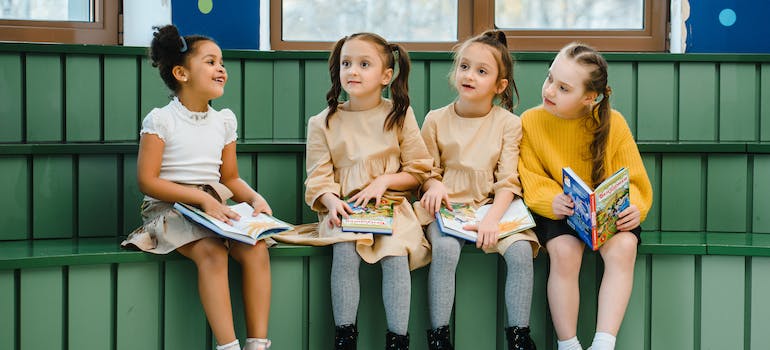
Encouraging your child to stay close with friends after moving while fostering new friendships is essential after a move. Keeping in touch with former friends through phone calls or video chats can provide a comforting link to their past. This connection is crucial for emotional stability as it preserves a sense of continuity in their social life.
At the same time, actively encourage your child to make new friends. After the move, you should take them around the neighborhood and introduce them to people, You can facilitate this by arranging playdates or signing them up for clubs and activities that match their interests. Whether it’s sports, arts, or a science club, these social settings can help them connect with peers who share similar hobbies.
Discuss with your child the importance of being open to new relationships while valuing the old ones. This dual approach helps them blend the familiarity of old friendships with the excitement of new connections. It teaches resilience and adaptability—valuable skills for social interactions throughout life. Creating opportunities for your child to interact in varied social environments can significantly ease their transition into a new community. It not only aids in their social development but also boosts their confidence as they realize they can make new friends while keeping the old ones.
Be Patient and Positive While Helping Your Child to Settle in
When it comes to helping your child to settle in, being patient and maintaining a positive attitude are key. Show genuine enthusiasm for the new opportunities that await them. This positive outlook is contagious and can greatly influence how your child perceives the changes. It’s important to remember that adapting to a new place takes time.
Celebrate even the smallest victories, like making a new friend, learning their way around, or completing a school project. Acknowledging these small successes boosts your child’s morale and encourages a positive attitude towards the ongoing changes. Remind them—and yourself—that setbacks are part of the process and not indicators of failure.
Encourage your child to see the adventure in the change. This perspective can transform challenges into exciting opportunities to learn and grow. Patience plays a crucial role here; rushing the process can overwhelm your child. Instead, let them progress at their own pace, offering support and encouragement along the way. Your unwavering support and optimism can light the path for your child during this move. By staying patient and positive, you not only help your child settle in but also teach them valuable lessons in resilience and adaptability. These skills are essential as they navigate new chapters in their life.
Get Involved
Getting involved in community events and school activities is a fantastic way for helping your child to settle in after moving. Participating actively shows your child that you are committed to this new chapter together. It also helps both of you understand the community better and find your place within it.
Attend school meetings, join the parent-teacher association, or volunteer for events and field trips. These activities not only allow you to meet other parents and teachers but also give you insights into the educational setting and your child’s daily interactions. In the community, look for clubs or groups that align with your family’s interests. Whether it’s a sports league, a gardening club, or a book group, these can be great avenues to connect with like-minded individuals.
Your involvement demonstrates to your child the importance of being part of a community. It teaches them how to engage and interact in social settings, fostering a sense of belonging and security. This engagement can significantly ease the feeling of being an outsider and accelerate the feeling of home in a new place. Plus, it’s a proactive way to make new memories together in your new home.

Introduce Predictable New Experiences
When moving long distance with kids, introducing your child to new, predictable experiences can make a new community feel like home. Start with simple outings, like a visit to the local library or a walk in the nearest park. These small adventures help your child get to know the area while keeping the experience manageable and not overwhelming. Gradually, these outings can become a cherished part of your weekly routine, providing your child with a sense of predictability and comfort as they explore their new surroundings.
Monitor Progress and Setbacks
It’s crucial to monitor how your child is adjusting to the new environment. Keep an eye on any changes in behavior or sleep patterns that might suggest stress. Addressing these signs early is important, and discussing them with your child can help. If concerns persist, consider consulting a professional for guidance. This proactive approach ensures that your child receives the support they need during this transition period.
Provide Tools for Self-Expression
Encouraging your child to express their feelings about the move can be incredibly beneficial. Explain moving to kids and provide them with tools for self-expression, such as art supplies for drawing or journals for writing. These activities offer a creative outlet for their emotions and thoughts, serving as a therapeutic way to cope with the changes. Engaging in these forms of self-expression can help your child process their feelings more clearly and openly.
Normalize the Experience
Reassure your child that it’s normal to feel uncertain or nervous about new experiences. Share stories of your own challenges and how you overcame them. This openness helps normalize their emotions and shows them that they are not alone in feeling this way. Understanding that these feelings are common can reduce their anxiety and encourage a more confident approach to new situations.
Create New Traditions
Creating new traditions can help your family feel more at home in your new environment. Whether it’s a weekly movie night, a monthly visit to a new park, or a regular family game night, these new traditions can provide comfort and something to look forward to. They help cement the new setting as your family’s home, blending the past with your new experiences.
Ensure They Feel Heard and Valued
Make sure your child knows that their feelings about the move are important and taken into consideration. Validate their emotions and engage in open discussions about their experiences and feelings. Feeling heard and valued helps them cope with the transition more positively, reinforcing their sense of security and belonging in the new home.
Be a Role Model
Children often emulate their parents’ behaviors and attitudes. While you are planning the packing for your move to, for instance, New Hampshire, and looking for the best cross country moving companies New Hampshire, you will probably feel anxious at moments. But, by handling the transition with optimism and resilience, you set a powerful example for your child. Your approach can inspire them to adopt a similar attitude, helping them to tackle new challenges with confidence and positivity.
Use Books and Resources
Utilize children’s books and resources about moving and adjusting to new situations. Reading these stories together can be comforting and can also open up discussions about any feelings and concerns they might have. This shared activity not only strengthens your bond but also provides your child with relatable scenarios and coping mechanisms.

Simplify the Environment
Initially, keep your child’s life as uncomplicated as possible. Avoid filling their schedule with too many new activities right away. Allowing them time to adjust at their own pace without feeling rushed or overwhelmed is crucial. This simplicity helps them to gradually get used to the new environment without added pressure.
Ensure They Have Personal Time
Just like adults, children also need their downtime. If you want to prepare kids for long distance move, and easier settling in, make sure your child has time each day to relax, play, and just be themselves. This personal time is essential for their mental and emotional well-being, providing them with a necessary break from the hustle of daily life and adjustments.
Seek Professional Help if Needed
If you observe that your child is continuously struggling with the adjustment, do not hesitate to seek professional help. The role of a child psychologist can be valuable. The psychologist can offer insights and strategies tailored to your child’s needs. This professional support can be crucial in navigating more challenging transitions, ensuring your child receives the best care and guidance possible.

Helping Your Child to Settle in Can Be Easy With These Tips!
Helping your child to settle in after a move involves patience, understanding, and active participation. By maintaining open communication, keeping consistent routines, and introducing new experiences gradually, you can significantly ease their transition. Remember, every child adapts at their own pace, so continuous support and encouragement are key. Engaging in the community and fostering both old and new friendships also play a crucial role in making them feel at home. Lastly, always validate their feelings and be a positive role model during this change. With these steps, you help build a foundation that enables your child to thrive in their new environment, making the relocation easier and more positive for everyone involved.