
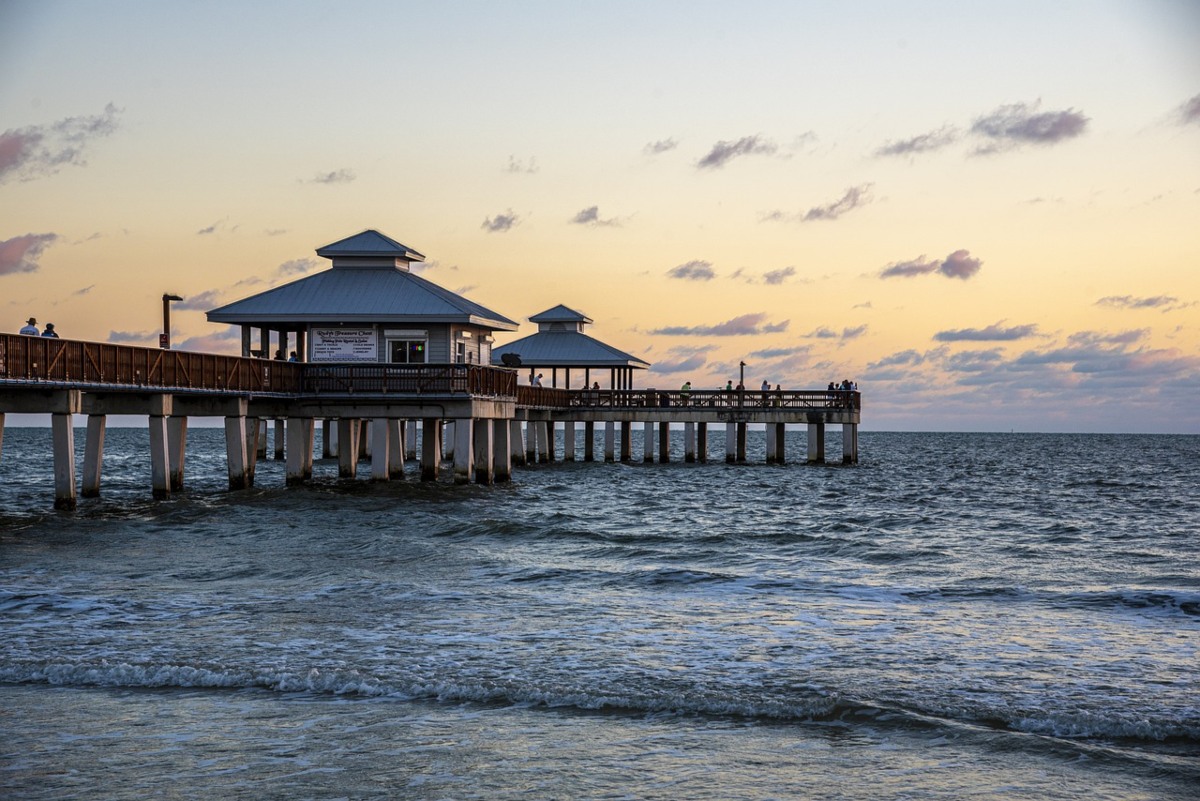


Moving to a warmer climate changes how you plan, pack, and settle into your new home. Heat, humidity, and longer sunny days affect daily routines, so early preparation matters. You need a clear plan for clothing, timing, and home setup before the move starts. That approach helps you avoid delays, protect your belongings, and stay comfortable during the process. Many people also rely on trusted sources such as Verified Movers to compare options and organize their move with confidence. When you prepare ahead and focus on practical steps, you reduce stress and adjust faster to the new conditions waiting at your destination.
Understand What “Warmer Climate” Really Means
A warmer climate does not describe just one type of weather. You need to look beyond temperature and focus on how the air actually feels. Some regions stay dry, while others hold a lot of moisture. Dry heat allows sweat to evaporate faster, so your body cools more easily. However, it can also lead to quicker dehydration, even when you do not notice it right away. On the other hand, humid conditions keep sweat on your skin, which slows cooling and increases discomfort. That difference affects how you dress, work, and rest each day.

You should also review seasonal patterns before your moving day. Some areas have mild winters but long, intense summers. Others stay warm all year with little variation. Night temperatures matter as well, since warm nights can affect sleep and recovery. Pay attention to heat waves, wind patterns, and rainfall levels. These details help you plan your routine, prepare your home, and avoid surprises once you arrive.
Adjust Your Moving Timeline to Avoid Extreme Heat
Adjusting your moving timeline helps you avoid extreme heat and keep the entire process under control. In areas such as New Jersey, summer temperatures and humidity can slow down every step, especially during long-distance moves. Many people rely on interstate moving companies New Jersey to secure better scheduling and avoid peak heat hours. Early morning remains the best option, since temperatures stay lower and crews can work more efficiently. Midweek dates also help reduce traffic and improve access to loading areas.
You should avoid late afternoon, because both heat and congestion increase at that time. If you are about to have a summer move, plan extra breaks and keep water close at all times. It also helps to confirm your schedule a few days before moving day, since heat waves can lead to last-minute changes. A well-planned timeline protects your belongings, keeps everyone safer, and helps the move stay on track without unnecessary delays.
Prepare Your Body for Heat Before the Move
Preparing your body for heat before the move helps you stay focused and avoid early fatigue. If you plan to relocate to a place such as Fort Worth, start adjusting at least one to two weeks in advance. Temperatures there can rise quickly, so gradual exposure gives your body time to adapt. Spend short periods outdoors each day, then increase that time slowly. This builds tolerance and helps you handle longer hours in warm conditions. Increase your water intake and keep hydration steady throughout the day, even when you do not feel thirsty.
Light activity, such as walking or lifting small items, also supports this adjustment. Many people preparing for moves in hotter regions, including those who rely on top movers in Fort Worth, take this step seriously to avoid heat stress. Choose lighter meals before working outside, since heavy food can slow you down. Wear breathable clothing and avoid tight fabrics that trap heat. Pay attention to warning signs such as dizziness or fatigue. Early preparation helps you stay productive and safer when moving to a warmer climate.

Choose the Right Clothing for a Warm Environment
Clothing plays a major role when moving to a warmer climate, because the wrong fabrics can make even simple tasks feel exhausting. Start with lightweight, breathable materials such as cotton or linen, since they allow air to circulate and help sweat dry faster. Light-colored clothing also helps, because it reflects sunlight instead of absorbing heat. Loose-fitting pieces work better than tight ones, as they improve airflow and reduce skin irritation during long hours of activity.
You should also think about layering in a simple way. For example, a light shirt with a breathable outer layer can help you adjust as temperatures change throughout the day. Footwear matters just as much. Choose shoes that provide support and ventilation, especially if you will spend hours walking or lifting boxes. Avoid heavy or closed designs that trap heat. Accessories can also improve comfort. A hat protects your head from direct sun, while sunglasses reduce strain on your eyes. Small changes in clothing choices can make a big difference in how you feel, helping you stay comfortable, active, and focused during your move.
Protect Your Belongings From Heat Damage
High temperatures can damage many household items, so you need a clear plan before moving day. If you are heading to a hot region such as South Florida, heat and humidity can affect both fragile and everyday items during transport. If you are moving electronics, you should know that electronics require extra care because high temperatures can weaken batteries and internal parts. Keep them in climate-controlled spaces and avoid leaving them inside a parked truck. Cosmetics, candles, and plastic items can melt or lose shape, so pack them separately and move them quickly into a cool space.
Many people preparing for long-distance moves to South Florida check sources such as state to state movers reviews South Florida to better understand how professionals handle heat-sensitive items. Wood furniture can expand or crack under heat, so wrap it with padding and keep it out of direct sunlight. Food items spoil fast, so it is best to avoid transporting perishables unless you use insulated containers. Plan your unloading process ahead of time, so you can move sensitive items indoors without delay. A simple approach reduces the risk of damage and keeps your belongings in good condition throughout the move.
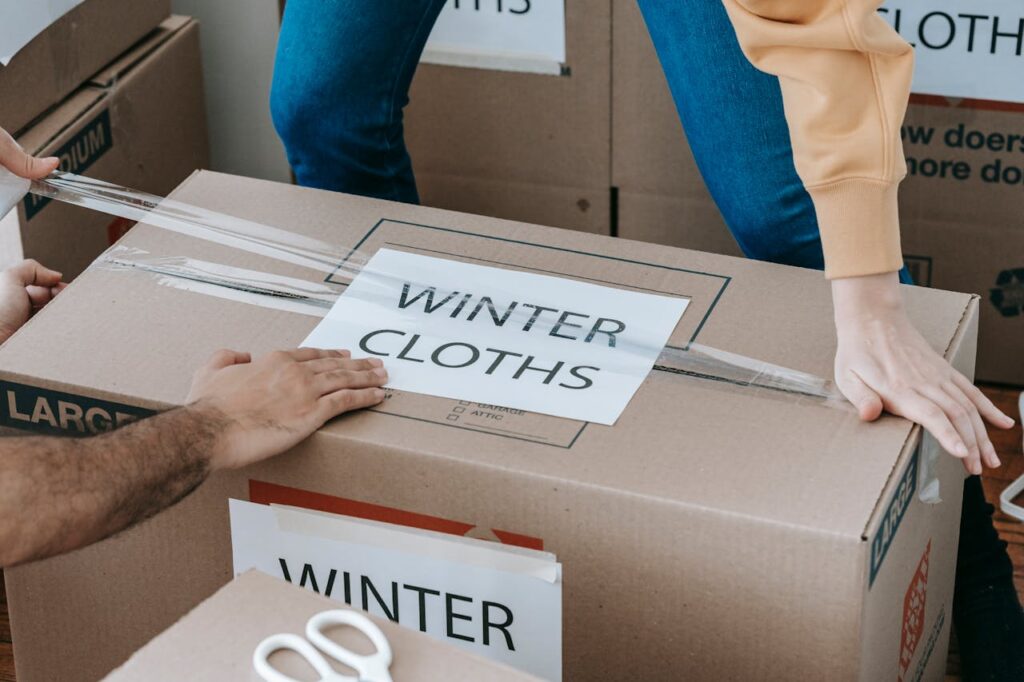
Prepare Your New Home for Higher Temperatures
Your new home should be ready for heat before you arrive, because small adjustments can improve comfort right away. Start with the cooling system and check that your air conditioning works properly. Clean or replace filters to improve airflow and reduce strain on the system. Next, focus on windows and sunlight control. Install blackout curtains or blinds to block direct sun and keep indoor temperatures lower during the day. You should also seal any gaps around windows and doors, since warm air can enter easily and reduce cooling efficiency. Ceiling fans help move air and make rooms feel cooler without lowering the temperature too much.
As you plan these steps, it helps to follow a clear moving checklist so you do not miss key details before move-in day. In addition, consider how you will use each room. Bedrooms should stay cool for better sleep, while living areas should have proper ventilation. If your home includes outdoor space, add shade with umbrellas or simple covers to reduce heat exposure. These steps help you settle in faster and keep your home comfortable during warm conditions.
Change Your Daily Routine to Match the Climate
Adjusting your daily routine is a key step when moving to a warmer climate, since your usual schedule may not work the same way in higher temperatures. Start by shifting important tasks to earlier hours of the day, when the air feels cooler and your energy levels stay higher. Morning hours often provide the best conditions for packing, errands, or outdoor work. Midday heat can slow you down and increase fatigue, so it helps to plan indoor activities during that time. In the evening, temperatures usually drop slightly, which makes it a better time for walks, exercise, or social plans.
Hydration should become part of your routine, not an afterthought. Keep water nearby and drink consistently throughout the day, even if you do not feel thirsty. You should also adjust your sleep habits, since warmer nights can affect rest. Use fans, lighter bedding, and proper ventilation to improve sleep quality. Over time, these small changes help your body adapt and keep your day more productive. When you follow a routine that matches the climate, you reduce stress and stay comfortable in your new environment.
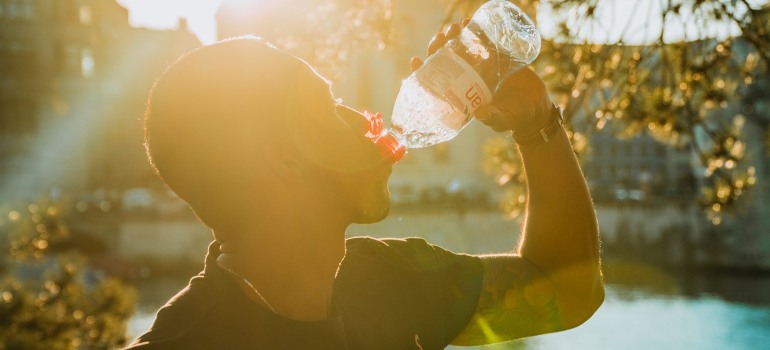
Don’t Forget Sun Protection When Moving to a Warmer Climate
Sun exposure increases once you settle in a warmer area, and you need to treat sun protection as part of your daily routine. Strong sunlight can affect your skin faster than you expect, especially during moving days when you spend hours outside. Start with a broad-spectrum sunscreen and apply it before any outdoor work. Reapply every few hours, especially if you sweat or stay in direct sun for long periods. Clothing also plays an important role. Wear light, long-sleeved shirts when possible, along with a hat that covers your face and neck.
Sunglasses help protect your eyes and reduce strain during bright conditions. Try to plan heavy tasks during early morning hours, since the sun feels less intense then. Take regular breaks in shaded areas to cool down and recover. Pay attention to warning signs such as redness, headaches, or dizziness, because these can signal overexposure. Keep lip balm with sun protection and stay hydrated throughout the day. These simple steps protect your skin and help you stay focused during the move. With the right habits, you can handle outdoor work without putting extra stress on your body.
Plan for Outdoor Living After Moving to a Warmer Climate
Outdoor space becomes a bigger part of daily life when you live in a warm area, so you should plan how to use it in a practical way. Start with shade, since direct sun can limit how long you stay outside. Install umbrellas, pergolas, or simple covers to create comfortable seating areas. This allows you to relax or spend time with others without constant exposure to heat. Furniture selection also matters. Choose materials that stay cooler and handle high temperatures well, so you avoid discomfort during use. Arrange seating in a way that allows airflow, because moving air makes a noticeable difference in how the space feels.
Lighting helps you extend outdoor time into the evening, when temperatures drop and conditions feel more comfortable. Soft lighting creates a usable space without adding heat. You should also think about hydration and convenience. Keep water nearby so you do not need to go inside often. If you enjoy cooking outside, set up a shaded area for grilling to reduce heat exposure. With a few thoughtful adjustments, your outdoor space becomes a place you can use daily instead of avoiding during hot weather.
Understand Local Weather Patterns and Risks
Before you settle into a warmer area, you need to understand how local weather behaves throughout the year. Temperature alone does not give you the full picture. Some regions deal with long dry periods, while others face frequent storms, heavy rain, or high humidity. These weather patterns affect your daily plans, your home setup, and even how you schedule outdoor tasks. Start by checking seasonal trends, not just current forecasts. Look at how temperatures shift between day and night, since warm nights can affect sleep and recovery.
You should also learn about extreme conditions that may occur in your new area. Some places experience heat waves that last several days, while others face sudden storms or strong winds. Power outages can happen during peak heat, so it helps to prepare basic supplies in advance. Keep water, flashlights, and backup cooling options ready if needed. Follow local weather updates and alerts so you can react quickly to changes. When you understand these patterns, you make better decisions and avoid unnecessary risks during your long-distance relocation to a warmer climate.
Help Children and Pets Adjust to the New Climate
Children and pets need extra care when you move to a warmer climate, since they adjust to heat more slowly than adults. Start with gradual exposure to outdoor conditions, so they can build tolerance without stress. Plan activities during cooler parts of the day, such as early morning or evening. Keep water available at all times and encourage regular hydration, even if they do not ask for it. Choose lightweight clothing for children and provide shaded areas where they can rest.
If you are moving with your pet, you should know that pets also need protection from heat. Avoid walking them on hot pavement, since it can cause burns on their paws. Create cool resting spots indoors and outdoors, and never leave them in a parked car. Watch for signs of overheating, such as fatigue or heavy breathing. With steady routines and careful attention, both children and pets can adjust safely and stay comfortable in their new environment.
Make Moving to a Warmer Climate Work for You
Moving to a warmer climate requires clear planning, smart timing, and daily adjustments that support comfort and safety. You need to prepare your home, protect your belongings, and adapt your routine before the move begins. Simple steps such as proper clothing, hydration, and heat awareness help you stay productive and avoid common problems. Your schedule should match the temperature, while your home should support cooling and airflow. When you take these steps early, you reduce stress and handle the change with more control. With the right approach, relocating to a warmer climate becomes easier and more manageable from the very first day.