



Storing wooden furniture properly is essential for preserving its beauty and longevity. Whether you’re preparing for a move, decluttering, or simply need extra space, knowing how to store your furniture correctly is key. Verified Movers provides practical tips to ensure your wooden items stay in top condition during storage. We’ll explore the importance of climate control, proper cleaning, and the right way to arrange your pieces in a storage unit. Read on to discover how to protect your wooden furniture effectively, ensuring it remains damage-free and ready for use whenever you need it!
Planning a Move Is Not an Easy Task
First of all, you have to choose the right home for yourself. After you have done that, you have to choose the moving date. Then you have to pick the right moving company. Choosing a good moving company can make all the difference for your move. If you choose a bad one, they can charge you with some hidden moving costs can rise significantly, or your things can get lost or damaged. These things happen sometimes even with proper moving companies, so you have to be careful.

Let’s say that you are moving from New Hampshire to Florida. You are definitely going to want to hire one of the best New Hampshire cross country moving companies. The next step is preparing your possessions for the move. Decluttering your home from redundant things and packing all the others you do need is not always simple. Properly storing wooden furniture is one of the crucial elements of packing.
So, How Does Storing Wooden Furniture Actually Work?
As is the case with planning the move in general, you should first make sure that you know what you are planning to do with your wooden furniture. First of all, you should check with moving company what types of services do they offer. If you are moving from Oregon, for instance, then check all the cross country movers Oregon. It can make a big difference if they also offer storage. A lot of moving companies have this option, so knowing this can be really important in planning what you are going to do with your wooden furniture.
Understand the Importance of Climate Control
Understanding the importance of climate control is crucial when storing wooden furniture. Wood reacts dramatically to temperature shifts and humidity levels. Extreme conditions can lead to wood expanding, contracting, or warping. To combat this, it’s advisable to store your items in a climate-controlled environment. Such settings maintain stable temperature and humidity, providing a safeguard for your wooden pieces against potential damage.
Storing furniture without this control might save a bit upfront, but it risks costly repairs or replacements down the line. Always choose a storage solution that prioritizes the preservation of your furniture’s condition. This proactive step ensures your wooden items remain in pristine condition, ready for future use.

Choose the Right Storage Facility
Choosing the right storage facility is key when storing wooden furniture. Since not all facilities offer the same quality, it’s important to select one with climate control. This feature keeps the temperature and humidity at levels that protect your furniture from warping or other damage. Beyond climate control, cleanliness and security are crucial. A clean facility reduces the risk of pests, which can damage wood. Effective security measures, such as surveillance cameras and secure access, ensure your items are safe from theft.
Also, customer reviews can provide insights into the reliability and service quality of the facility. These reviews often highlight aspects like customer service, accessibility, and how well the facility handles issues. Opt for a storage place that consistently receives positive feedback and shows a commitment to protecting your valuable items. Choosing wisely means your wooden furniture will be well-preserved, clean, and secure, ready for use whenever you need it again. This careful selection process helps avoid future hassles and keeps your wooden pieces in excellent condition.
Before Storing Wooden Furniture, You Should Polish It
Polishing furniture is something that does not usually cross people’s minds. Polishing is not just there to make the furniture shiny, it is actually an important protective feature. Having the opportunity to store your belongings does not automatically mean that they are going to be completely safe. The storage units often have heating and cooling systems. However, this does not mean that they will provide suiting protection for storing wooden furniture. One of the essential potential problems here is the fact that the temperature may oscillate.
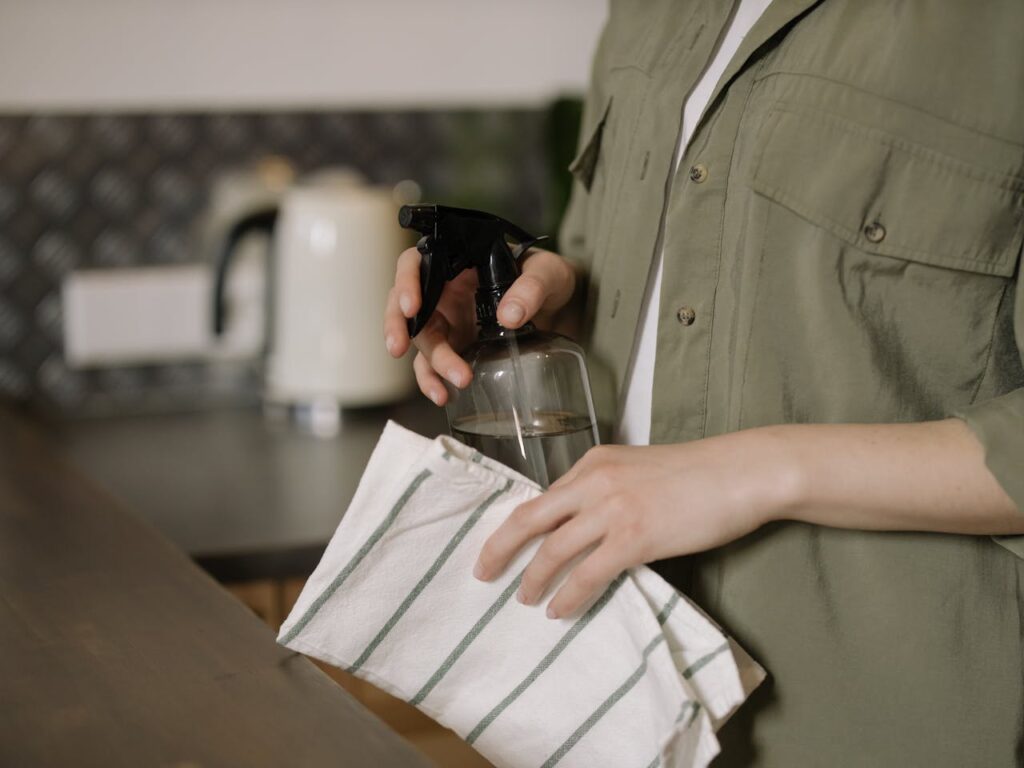
If the storage you are using is set to adjust its temperature, then it may prove to be dangerous for your furniture. If the temperature is oscillating from hot during the day, and cold during the night, then your belongings may swell or shrink, or even crack. Such unstable conditions may cause the glue that holds the joints to loosen. Polishing the furniture is thus extremely important. With it, you can seal the wood, enabling the furniture to not dry out during its stay in the storage. If your furniture is due to for a longer stay in the storage, then you should use paste wax. It will provide some extra protection.
Setting up the Storage Properly Is Really Important
Since you are going to put your belongings here and organize your new home after a move, it would be smart to prepare the space for storing as best as you can. Putting plastic protection on the floor is a very good way of doing this. As the storage compartments often have concrete as the floor, there is a danger of moisture leaches, which is very dangerous because it leads to swelling and rotting, as stated above. So, before storing wooden furniture, place some plastic sheets, or some drop cloth at least on the floor. These will act as a protective wall between the floor and the wood, thus protecting the furniture by keeping it comfortably dry.
Disassembling Can Go a Long Way to Protect Your Belongings
One of the hardest things to deal with when moving is moving heavy furniture. Moving something that you cannot grasp properly is really tough and even dangerous. For instance, carrying a dinner table can be really complicated.
That is why disassembling your more complex pieces of furniture can be very effective. By doing this, you can also make them more compact. This will lead to them being a lot easier to pack, as they will require less space. Furthermore, it will be easier to wrap them in protective materials. The removed screws and bolts should be put in a plastic bag and labeled properly and set near their furniture piece. Disassembling will also save you money as you won’t need as much of the storage space.
Wrapping up the Furniture Is a Must
Getting some proper protection on your belongings is something that you must do if you want to store wood furniture correctly. Whether we are talking about books or electronic devices, it is obligatory. Wood furniture, though usually bulky and hard, has sensitive surfaces. Wrapping them up on protective materials can keep them safe from scratches. Wrapping them in plastics is not such a good idea. The reason is simple – It can lead to wood sweating which leads to swelling and rotting. This is particularly dangerous when the storage room is not climate-controlled. Using old blankets and sheets is a very good idea, however. They don’t trap moisture and are strong enough to protect the items from scratches.
Do Not Overstack
When packing and organizing a storage unit for storing furniture, it’s crucial not to overstack, especially with wooden pieces. Placing heavy items on top of wooden furniture can stress and damage the wood over time. To prevent this, maintain a level arrangement and ensure each item is well-supported. If your storage unit includes shelving, make use of it. Shelves help maximize space and keep your furniture organized without the need for stacking. This arrangement also facilitates better air circulation around each piece, further protecting them from potential damage.
Always leave enough space around your items to prevent accidental scrapes or pressure marks. This approach not only preserves the quality and structure of your wooden furniture but also makes retrieving any item more convenient. Proper storage practices like these will extend the life of your furniture and keep it looking its best for when you need it again.

Position Furniture Carefully
Positioning your wooden furniture carefully in a storage unit is essential for maintaining its condition. Make sure to arrange each piece thoughtfully, allowing ample space between them to promote good air circulation. This spacing helps prevent moisture accumulation, which can be damaging over time. Avoid placing any furniture directly against the walls of the storage unit. Walls can harbor dampness, especially in non-climate-controlled spaces, which might lead to moisture buildup on your furniture.
Furthermore, consider elevating your furniture slightly off the ground. Using pallets or sturdy blocks can lift the pieces away from potential water damage, particularly in areas prone to flooding or spills. This elevation also makes it easier to clean the storage area without moving your furniture frequently. By following these simple yet effective steps, you ensure that your wooden pieces remain dry, clean, and undamaged during storage. These practices not only extend the life of your furniture but also keep it ready for future use without additional maintenance or repair costs.
Regularly Check Your Storage
Regularly checking your storage unit is a smart practice, even if it’s climate-controlled. Periodic inspections allow you to identify and address any early signs of wear, pest infestations, or water damage. By doing so, you can tackle these issues before they escalate into serious problems. During each visit, look closely at each piece of wooden furniture. Check for any signs of moisture, which might indicate a leak or humidity control failure. Also, keep an eye out for pest droppings or nibble marks, which are clear signs of infestation.
Taking these steps ensures your stored items remain in top condition. If you do spot any problems, you can act quickly to rectify them, such as adjusting the humidity levels, repositioning furniture, or consulting pest control services. These regular checks not only preserve the quality of your furniture but also give you peace of mind that your belongings are secure and well-maintained.
Be Mindful of Pests
Being vigilant about different pests is crucial when storing wooden furniture. Pests like termites, beetles, and rodents can severely damage wood. Before settling on a storage facility, it’s important to ask about their pest control strategies. Effective pest management is essential to protect your valuable items. Once your furniture is in storage, consider using natural repellents. Cedar blocks and lavender sachets are excellent choices; they repel pests while being gentle on the wood. These natural options provide a safer alternative to chemical repellents, which can harm the furniture finish.
Also, regularly inspect your storage unit for any signs of pest activity. Look for droppings, gnaw marks, or damaged wood. If you notice any of these signs, act quickly to address the issue. This might involve strengthening your repellent strategy or consulting a pest control professional. Staying proactive in monitoring and protecting your furniture from pests not only preserves your belongings but also prevents potential infestations from worsening. This care ensures your wooden pieces remain in pristine condition, ready for future use without the need for costly repairs or replacements.

Know When to Retrieve
Timing is crucial when retrieving stored wooden furniture, especially if it’s used seasonally. Aim to bring your furniture back into your home during mild weather conditions. Extreme temperatures, whether hot or cold, can shock the wood, potentially causing it to warp or crack. Planning your retrieval during a temperate day helps the wood acclimate more easily to your home environment. This careful timing reduces the risk of damage as the furniture adjusts from the controlled conditions of storage to the natural environment of your living space.
Also, consider the humidity levels on the day of retrieval. Too much moisture in the air can affect wood, so choose a day that’s not overly humid. This attention to detail ensures that your furniture maintains its quality and aesthetics, extending its lifespan and usability. By managing when and how you reintroduce your furniture to your home, you preserve its condition and functionality, making it a seamless move from storage back to everyday use.
Storing Other Furniture
Storing various types of furniture requires specific strategies to ensure they remain in top condition. Each material demands different care techniques, which can significantly impact their longevity and appearance. Here are some practical tips to consider when storing items other than wooden furniture:
- Upholstered furniture:
- Vacuum thoroughly to remove dust and allergens.
- Apply a fabric protector to guard against stains and moisture.
- Wrap in breathable covers to prevent mold growth.
- Metal furniture:
- Clean and dry completely to avoid rust.
- Apply a rust-preventative spray to all metal surfaces.
- Avoid wrapping tightly in plastic as this can trap moisture.
- Plastic furniture:
- Store away from direct sunlight to prevent warping and discoloration.
- Clean with a mild soap solution and dry thoroughly.
- Stack chairs vertically to save space while ensuring they don’t bend.
- Leather furniture:
- Treat with a leather conditioner to prevent drying and cracking.
- Cover with a soft, breathable cloth instead of plastic.
- Keep in a cool, dry place to maintain its quality.
- General storage tips:
- Always ensure furniture is clean and dry before storage.
- Do not overcrowd the storage unit; allow space for air circulation.
- Elevate all furniture slightly off the ground to protect against potential water damage.
Following these guidelines will help maintain the integrity and appearance of your various furniture pieces while stored. Regular checks and proper preparation go a long way in preserving your items, ensuring they are ready for use whenever you need them again. These simple yet effective tips will keep your belongings in pristine condition, saving you from future costs associated with damage and deterioration.

Make Storing Your Wooden Furniture Easy!
Storing wooden furniture effectively ensures it remains in excellent condition for years. Always choose a climate-controlled environment to protect against temperature and humidity fluctuations. Preparing your furniture properly before storage, such as cleaning and applying protective coatings, is essential. Remember, the way you position and care for your pieces in storage makes a significant difference. Use the tips provided here to avoid common pitfalls like moisture damage and pest infestation. Regular checks can also help you address any issues early. By following these straightforward guidelines, your wooden furniture will stay preserved and ready for future use, maintaining both its function and beauty!