
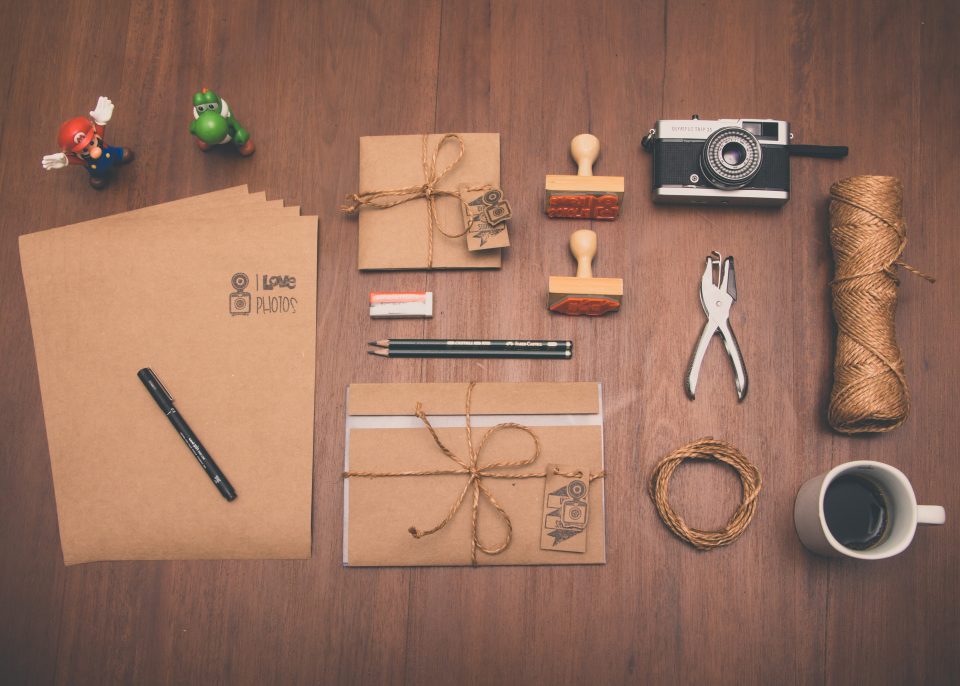


Moving into a new home brings a fresh start, but it often leaves behind a mountain of leftover moving boxes. These corrugated panels stand silent witnesses to change, yet they hide surprising potential beyond recycling bins. With a spark of creativity, you can breathe new life into those ordinary containers and uncover practical uses that improve daily routines. Embracing this simple resource turns clutter into opportunity and adds a satisfying sense of purpose to every day. And if you are about to move, Verified Movers will help you choose among the best moving companies for your needs!
Store Boxes for Future Moves
Storing moving boxes for another move requires only a little planning but pays off in convenience and calm. After breaking down each box into its flat form, choose a dry corner of your home—garage shelves, attic rafters, or a closet corner work well—and arrange bundles according to their dimensions. Clearly marking each stack with its size prevents guesswork when packing day arrives, it is one of the best packing secrets. Wrapping cord or twine around the neatly aligned cardboard keeps everything secure and easy to carry. Keeping essential supplies nearby—strong tape, bold markers, and protective padding—means you won’t waste time hunting for materials when box duty calls.
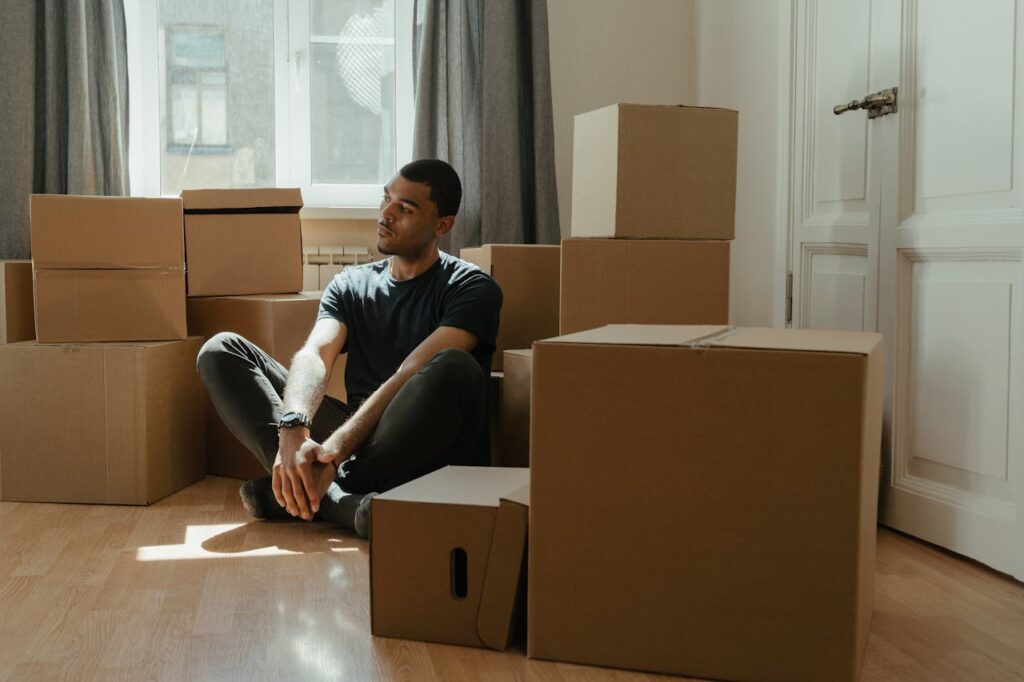
This approach transforms a potential pile of clutter into a streamlined toolkit. It allows you to slip effortlessly into packing mode, confident that the right box is waiting at arm’s reach. Over time, you’ll discover that a small investment in organization today becomes a major time-saver tomorrow. By treating leftover moving boxes as an asset rather than junk, you maintain order in your space and ease in your mind. Whenever life demands to pack for a move—whether across town or just down the street—your ready-to-go supply of well-organized boxes ensures an easier, more confident relocation.
Donate or Sell Unused Boxes
Clearing out leftover boxes offers more than just extra space—it creates community connections and a chance to earn a little cash. You might discover that neighbors, local shops, and charity organizations welcome sturdy cardboard for packing, storage, and creative projects. Reaching out through community forums or neighborhood groups invites genuine exchanges and helpful conversations. Small businesses that ship products often appreciate a supply of quality boxes, and local schools or art centers can transform them into imaginative learning tools.
When you offer your boxes with a friendly note or quick pickup option, you build goodwill and foster neighborly support. If you find yourself moving to Washington state, for example, a fresh circle of possibilities awaits where you can donate or sell them to fellow residents facing their own transitions. What once seemed like clutter becomes a resource that keeps items safe, supports local ventures, and reduces waste in landfills. Embracing this simple step turns leftover moving boxes into a shared asset, weaving practicality and kindness into your next chapter.

Organize Home and Seasonal Decor
Creating order in your living space feels deeply satisfying when you give each item a proper home. Cardboard boxes become invaluable tools for preserving seasonal treasures and everyday essentials. By gently flattening unused boxes and reshaping them into custom storage bins, you bring clarity to cluttered closets and crowded shelves. Imagine sliding a neatly labeled box of winter scarves under your bed, safe from dust and easy to retrieve when temperatures drop. Meanwhile, a stack of boxes in the attic holds your spring decorations in waiting—soft pastel garlands, lightweight wreaths, and delicate centerpieces remain protected until their moment arrives.
Throughout the year, you enjoy a sense of calm knowing that every seasonal item lives in its own container, free from the stress of rummaging through mismatched bins. This method also encourages creativity: you might repurpose a box into a display case for decorative pieces or dress a plain cardboard panel in wrapping paper to create a decorative drawer liner. As each season approaches, unpacking becomes an act of anticipation rather than a chore. You simply open the right box and reveal familiar accents that transform your home with ease and style. In this way, repurposed moving boxes do more than contain your belongings.

Create Pet Play Spaces
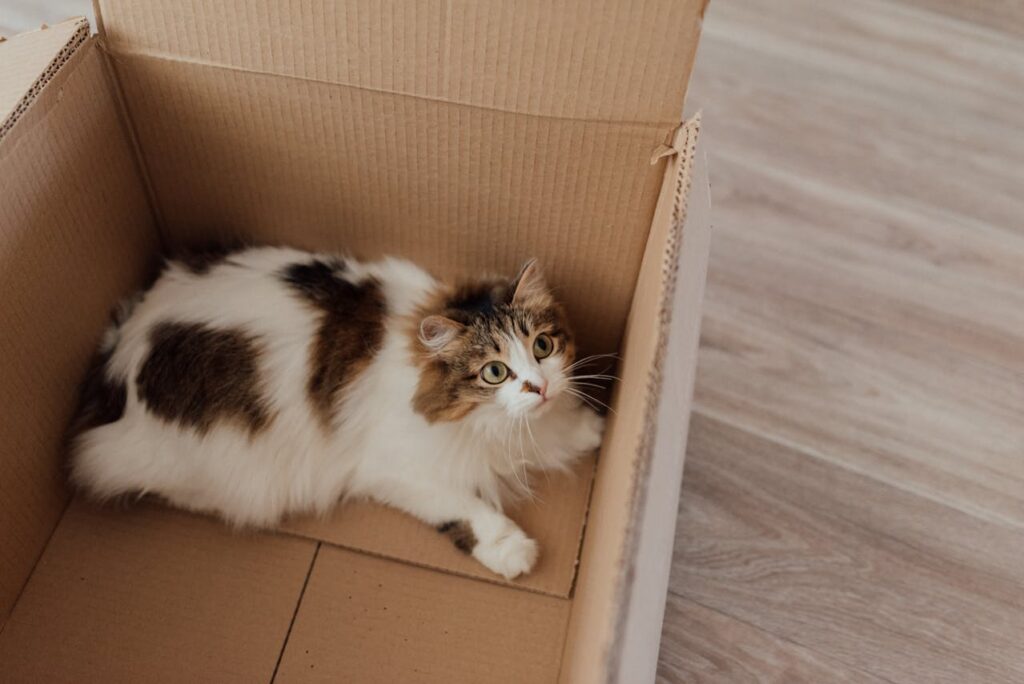
Pets love when you offer them playful hideaways built from simple materials like cardboard. In regions as remote as Alaska, where harsh weather often keeps animals indoors, for example, a makeshift maze of boxes transforms any room into an adventure zone. You might remember how your cat darted into a box during snowstorms or how your puppy discovered joy in napping corners. Imagine tapping into that instinct by stacking boxes in uneven layers, cutting cozy entrances, and tucking soft blankets inside each hollow chamber. When moving to Alaska, these custom dens become more than entertainment—they provide warmth and psychological comfort during long winter nights.
Cardboard walls buffer drafts and create intimate nesting spots that mimic burrows or tree hollows. You can also wrap a sturdy panel around a scratch post to give cats a satisfying texture to claw. Dogs relish crawling through tunnels of connected boxes, chasing hidden treats or beloved toys. Small animals like rabbits and guinea pigs enjoy exploring enclosed pathways lined with hay.
Each structure invites exercise and mental stimulation without costing extra money. Once pets tire of one configuration, you can reshuffle boxes into fresh designs, ensuring ongoing curiosity. Guests often admire these playful creations and even ask for tips on crafting their own. By transforming leftover moving boxes into interactive playgrounds, you support your pet’s well‑being while reducing landfill waste. This simple act brings delight to both furry friends and their humans, making every corner of your home a source of shared joy.
Build DIY Projects and Crafts
Transforming plain cardboard into handcrafted treasures brings practical value and personal flair to any space. You can slice panels to form miniature playhouses for children, folding walls and roofs into sturdy shelters that invite imagination. Simple cuts and creases become the framework for elegant gift boxes, their crisp edges wrapped in ribbon or patterned paper. Even a flat piece can evolve into a decorative photo frame, its surface painted or adorned with fabric scraps that highlight each snapshot. For home organization, you might construct drawer dividers or desktop trays that corral pens, notes, and tools into neat compartments. Seasonal decorations spring to life when you cut cardboard into festive shapes—stars, leaves, or snowflakes—then paint and string them into garlands. Materials remain affordable because every leftover box yields fresh potential. Here are a few ideas to spark creativity:
- Customized gift boxes with geometric lids that fit snugly and fold flat for storage
- Layered photo frames featuring mixed-media textures, from paper flowers to fabric ribbons
- Drawer organizers built from trimmed box panels to sort stationery or craft supplies
- Holiday ornaments cut into thematic silhouettes, ready for paint, glitter, or decoupage
As you experiment with measurements and folds, each project teaches precision and resourcefulness. You will refine your crafting skills. Whether you share these handmade items as thoughtful gifts or keep them to beautify your own home, the process combines utility with artistic expression. Cardboard’s versatility and your imagination join forces to produce projects that stand the test of time, making every leftover box a canvas for creativity.
Enhance Garden and Compost
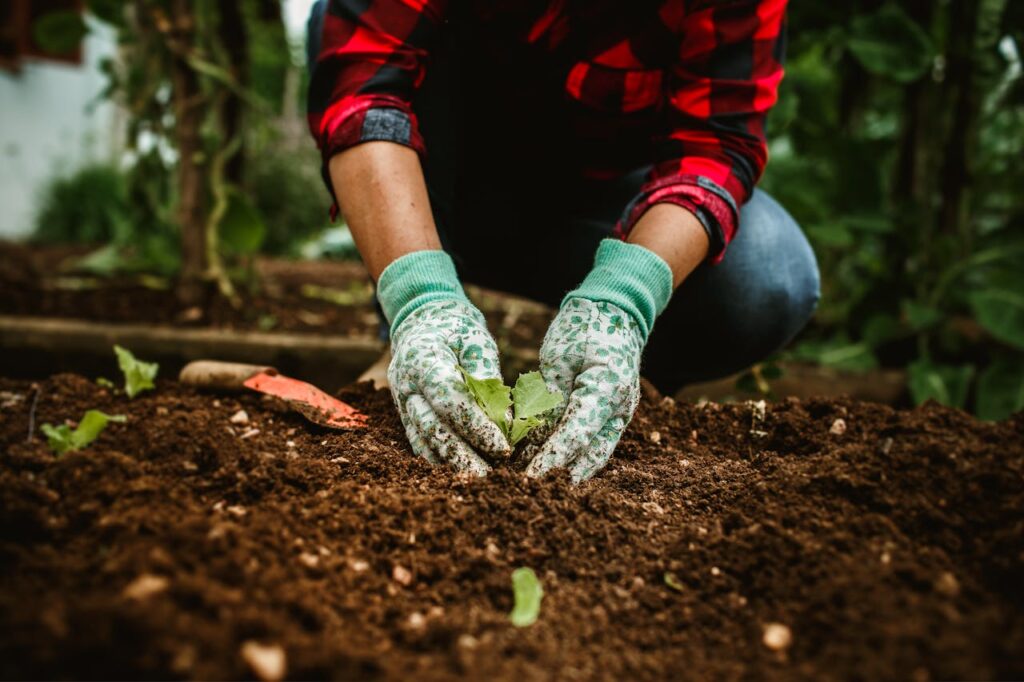
Gardeners often struggle with weeds and uneven moisture, but cardboard offers a simple solution. When you lay flattened panels across planting beds, unwanted growth stays under control and soil retains water more evenly. Cutting small openings for each plant lets stems emerge while the surrounding ground remains covered. As the cardboard breaks down, it adds organic matter that enriches soil structure without the need for chemical herbicides. Shredding leftover moving boxes into thin strips and stirring them into your compost heap brings necessary brown material that balances fresh green waste.
That combination encourages faster breakdown of kitchen scraps and garden clippings, resulting in richer compost you can spread around flowers and vegetables. Even after a long move, boxes that arrive with your belongings find a second life in the yard instead of heading to a landfill. Gardeners in Wyoming, for example, recognize how durable cardboard can tackle local soil challenges, and many find that Wyoming long distance movers make it easy to transport boxes destined for recycling into productive garden use. By embracing this dual-purpose approach, you cut waste and improve your garden’s health in one straightforward step.
Insulate Windows and Doors With Leftover Moving Boxes
Cardboard steps in as a surprisingly effective draft blocker when winter’s chill settles in. Measure panels to cover window sills or trim pieces to slide under door bottoms, securing them with painter’s tape so no sticky residue mars your frames. As temperatures dip, this DIY cardboard shield slows heat loss and eases the burden on your heating system without costly upgrades.
When dawn brings warmer air, you simply peel away the cardboard, fold it flat, and stash it for the next cold snap. During mild days, stored panels stay out of sight and ready for reuse. Over time, houses with older windows gain a layer of adaptable insulation that makes chilly mornings more comfortable. This easy approach also cuts down on energy waste, helping both the environment and your monthly bills. Because cardboard resists moisture once it dries fully, it keeps its shape through repeated uses. When spring arrives, you’ll appreciate how this simple material kept deep drafts at bay. By treating leftover moving boxes as seasonal protectors, you extend their lifespan and find a use far beyond packing. That practical twist means fewer trips to discount stores searching for temporary seals, and more time enjoying a cozy, warm home when winter winds howl outside.
Support Community Groups and Businesses
When boxes pile up unused, they become a resource for neighbors and local organizations in surprising ways. Community theaters transform sturdy cardboard into set pieces and backstage storage crates, breathing life into every performance. Daycares turn panels into art canvases where children paint and practice fine motor skills. Nearby shops that ship goods online greet a box delivery with relief, since packaging expenses can strain small budgets. By reaching out with an offer to share your surplus, you spark connections that strengthen community ties. A quick call or message does more than clear space; it introduces you to passionate volunteers, teachers, and entrepreneurs working hard behind the scenes.
Social media groups dedicated to local events often feature requests for packing supplies, and a single pickup solves storage headaches for both parties. You keep quality boxes from ending up in recycling streams too soon, extending their life and reducing landfill waste. Over time, those simple exchanges become a mutual support, as recipients remember the neighbor who came through with just what they needed. When each organization finds a use for your boxes, they gain practical tools and you earn the satisfaction of turning moving debris into something meaningful.
Simplify Moving Day Organization
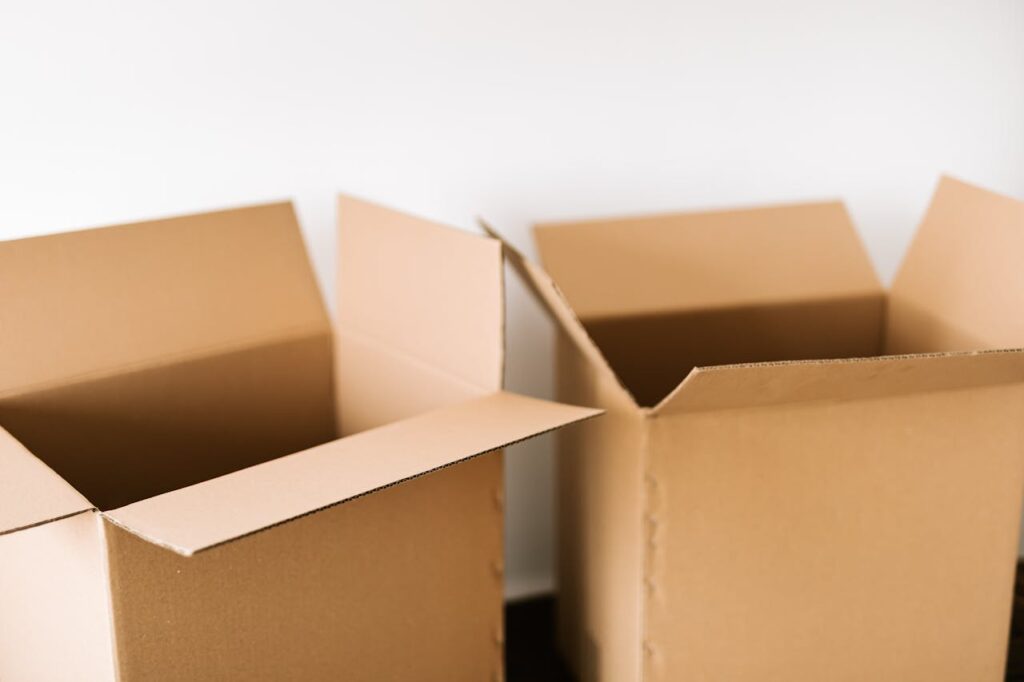
Packing and unpacking process flow easily when every box arrives clearly labeled, transforming chaos into calm. Cut box flaps into manageable labels, then write each room name or contents list in bold strokes. Secure the flap with tape along the top edge, allowing it to flip up for easy reading. During a move across states—from small town homes to bustling city apartments—you’ll appreciate how this hack avoids frantic searches for essentials.
In regions like South Carolina, for example where families often coordinate long‑distance relocations, partnering with a trusted cross country mover South Carolina simplifies logistics further. Your labeled boxes become waypoints that guide movers and friends straight to the right spot, saving time and effort. When unpacking begins, you simply open the flap and lift items from their dedicated container. Paper waste shrinks since every label doubles as a checklist that you discard once its task ends. This system sidesteps the familiar frustration of bulging bags and unrecognizable taped packages, replacing it with a structured path from box to shelf. Seamless organization on moving day turns what once felt like a trial into a series of clear steps, leaving you free to focus on settling in rather than chasing down missing goods.
Create Temporary Work and Repair Surfaces
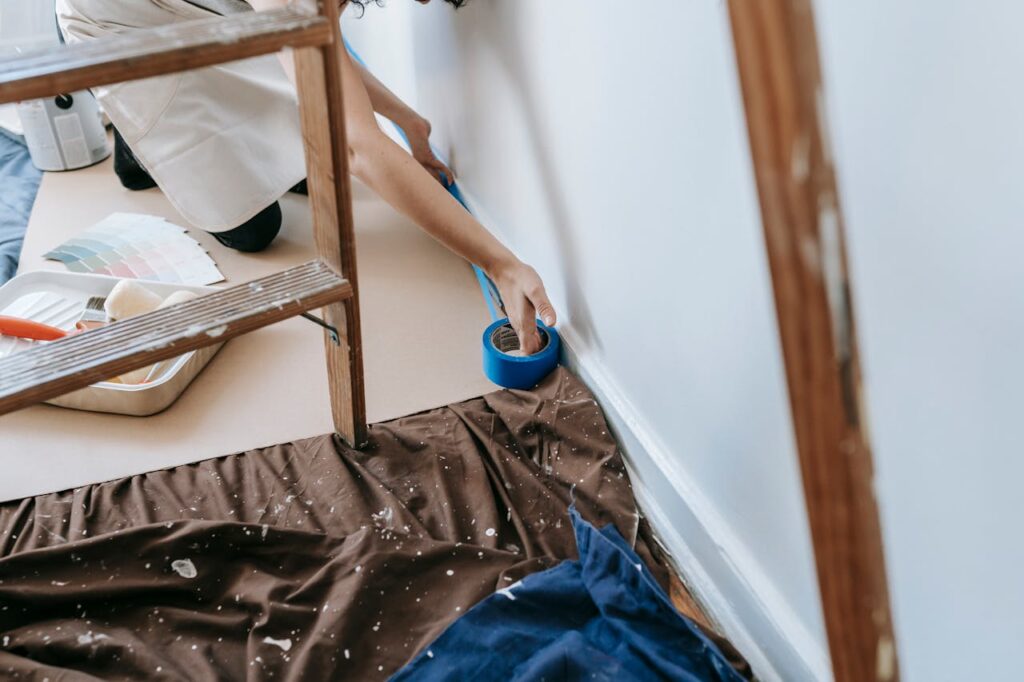
Home improvement projects often risk spills and scuffs that linger long after tools are put away. Cardboard panels answer the call as protective underlays that shield floors and furniture from paint splatters or dropped hardware. Lay large sections beneath ladders or workstations to catch drips without fuss. When your project wraps up, affected pieces fold neatly for recycling, leaving no trace of debris. In cramped spaces without a spare table, a sturdy box top can serve as a makeshift desk. Place it across two stable supports to hold papers, small tools, or craft supplies, creating an instant workstation wherever you need it.
Because cardboard offers a surprisingly flat and rigid surface, it beats balancing items on uneven surfaces or cluttered floors. Once the task is complete, you tuck panels away until the next repair or improvement session. This approach eliminates the scramble for tarps or plastic sheeting and keeps cleanup quick and painless. By seeing moving boxes as adaptable work platforms rather than trash, you transform leftover materials into ready-made solutions for everyday repairs and creative projects.
Make Every Box Count!
Turning leftover moving boxes into practical tools and creative outlets brings unexpected rewards. What began as a pile of empty cartons transforms into organized storage, garden helpers, pet hideouts, and craft supplies. Each repurposed panel prevents waste and adds purpose to everyday routines. As these boxes find new roles, they lighten clutter and spark small moments of delight. By seeing cardboard not as trash but as a resource, you honor both your space and the planet. Embracing this mindset ensures that leftover moving boxes continue their journey, serving you and your community long after the move itself.