



Moving from Vermont to Georgia introduces a change that touches climate, lifestyle, finances, and long-term plans. The contrast appears quickly because each region runs on a different pace. Vermont brings calm routines shaped by cold seasons and small-scale communities. Georgia presents warmer weather, larger cities, wider markets, and constant activity. The adjustment feels large at first, yet the transition settles once daily patterns take root. Each week reveals new habits, new routes, and new comforts that help the move make sense! If you decide to relocate, Verified Movers will help you choose the right crew to help you!
Why People Leave Vermont?
Many people leave Vermont because the state presents limits that grow harder to manage over time. Housing costs rise faster than wages in many towns, and the tight inventory makes it difficult for families, young professionals, and retirees to secure homes that fit long-term plans. Job markets also feel narrow, especially for workers seeking advancement, specialized fields, or higher salaries. The small population restricts business growth, which reduces opportunities for career movement. Winters place extra pressure on budgets and routines because heating costs rise, roads require constant care, and long cold stretches reduce outdoor access.
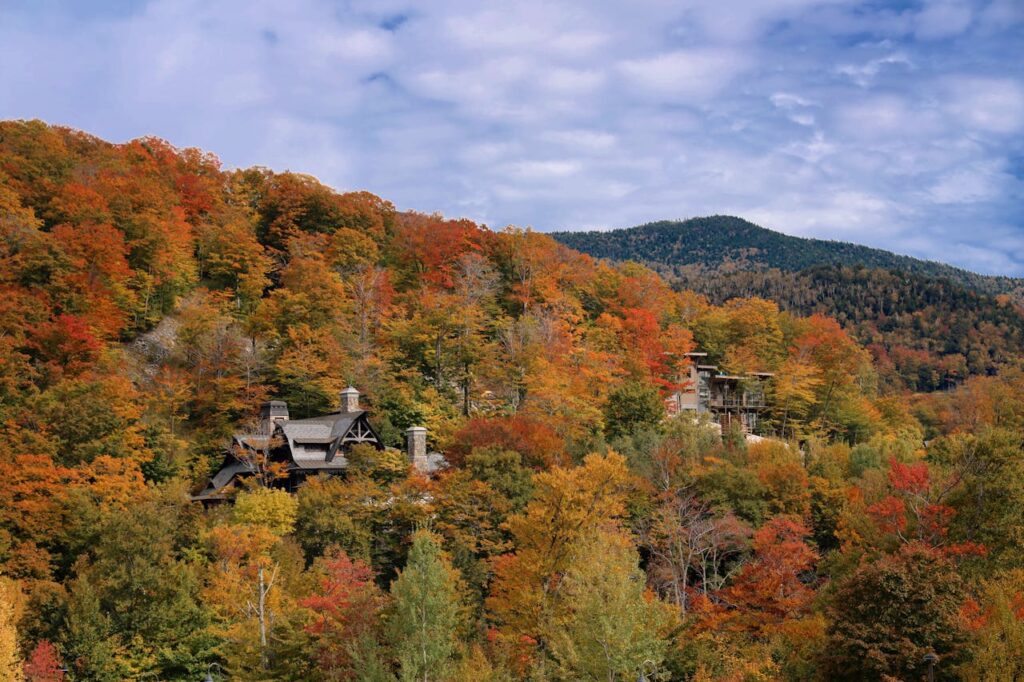
Some residents seek a broader social scene, larger communities, or regions with more cultural events. Others look for warmer climates that support year-round activity instead of months defined by snow and early darkness. Taxes also create strain for households managing tight budgets. Over time, these factors push many people to consider states with stronger economic activity, wider housing options, and more stable financial paths. The decision rarely comes from one issue but from steady pressure across several areas that shape daily life and long-term comfort.
What to Expect After Moving From Vermont to Georgia?
In the following sections, we will give you a clear sense of what to expect so you enter this move with confidence. Each section covers one part of your change and helps you form a full picture of life ahead!
You Will Experience Mild Winters in Georgia
Climate differences between Vermont and Georgia shape daily life in noticeable ways. Vermont’s long winters bring heavy snow, freezing temperatures, icy roads, and short days that influence travel, work routines, and energy use. Cold stretches last for months, which limits outdoor activity and raises heating costs. Georgia presents the opposite pattern. Warm seasons stretch across most of the year, and mild winters pass quickly with light jackets instead of deep layers. Humidity builds early in the day, and summer storms arrive with fast shifts in temperature and cloud cover. Sunlight stays strong through spring and fall, which allows more outdoor time and longer evenings for errands or recreation.
These shifts influence clothing choices, home maintenance, and personal schedules. Residents rely on strong cooling systems rather than heavy heating units, and daily plans often move earlier in the morning to avoid intense afternoon heat. The contrast between snow-driven routines and heat-driven routines becomes clear within weeks, and the change affects comfort, budgets, and personal habits in lasting ways. Those relocating should rely on interstate moving companies Vermont for a successful moving experience.
Cost of Living Offers More Breathing Room for Those Moving From Vermont to Georgia
Cost of living stands out as one of the clearest differences between Vermont and Georgia because Vermont runs 9.4% more expensive overall. This gap shapes budgets in many practical ways and affects how households plan long-term goals. Daily expenses shift quickly when comparing categories. Eating out costs 6.3% more in Vermont, which makes casual dining and social outings harder to manage for families or young professionals. Grocery bills climb even higher with an average increase of 12.6%, and this difference grows heavier during busy weeks. Transportation costs rise as well, though the increase—2.2% more—still adds pressure for people who depend on regular commuting.

Housing presents one of the few areas where Vermont drops below Georgia, with prices sitting 4.4% lower, yet this advantage rarely offsets the higher expenses in nearly every other category. Childcare shows the sharpest contrast, running 29.0% more, and that number alone pushes many families to look for states where daily life comes with less strain. Entertainment and sports cost 21.6% more, which limits access to activities and weekend outings. Clothing lands slightly lower, saving households 1.5%, but the shift remains small compared with the broader financial gaps. These differences create a clear picture of why many people feel more breathing room in Georgia, where everyday expenses stay manageable and long-term planning becomes easier.
It is worth mentioning that there are some regions in Vermont that offer lower cost of living. For example, the cost of living in Burlington, VT is 2.4% lower than in Atlanta, GA. If you are still considering moving from Vermont to Georgia, working with cross country moving companies South Burlington ensures a successful journey!
Taxes Influence Long-Term Financial Planning
Taxes shape long-term financial planning in clear and practical ways when comparing Vermont and Georgia. Vermont carries higher overall tax pressure, which affects property owners, renters, and workers who try to build savings or invest in their future. Income taxes run heavier for many residents, and property taxes place steady weight on yearly budgets, especially in towns with rising home values. Georgia offers a noticeably lighter structure, and that difference helps households plan ahead with more confidence. Lower property taxes support stable monthly payments, and many counties keep rates in ranges that allow families to set money aside for emergencies, education, or home projects.
The lighter burden also supports retirement planning because fixed incomes stretch further in regions with smaller yearly tax bills. Businesses benefit as well because lower overhead encourages expansion, hiring, and investment. Even small differences across counties in Georgia influence where people decide to settle, since tax rates connect directly to long-term comfort. These contrasts highlight why many movers pay close attention to tax systems before choosing a new state. A lighter structure often creates room for financial growth, while a heavier one slows progress and limits future options.

A Larger Job Market Supports Career Growth
A larger job market plays a major role for those considering moving from Vermont to Georgia, since Georgia offers broader industries, stronger hiring cycles, and more chances for advancement. Vermont’s smaller population limits the scale of its economy, which restricts openings in specialized fields and slows upward mobility. Georgia expands those options through fast-growing sectors such as logistics, film production, healthcare, aviation, advanced manufacturing, finance, and technology. Major employers—including Delta Air Lines, Coca-Cola, Emory Healthcare, UPS, and Home Depot—anchor the state’s economic strength and create steady movement across skill levels. These companies support thousands of positions and attract new investment that fuels further job creation.

Unemployment rates in Georgia often sit near national averages, yet the size of the workforce offers more paths for workers who want new roles or higher pay. Salary numbers show an interesting contrast. The average salary in Georgia sits at $52,264 per year, while Vermont’s average reaches $74,265 per year. Some counties, however, fall below the Vermont statewide figure, such as Rutland, where the average salary lands at $64,216 per year. Higher Vermont salaries do not always translate to better quality of life because living costs run higher and career options remain tighter.
Georgia’s broader job market balances earnings with opportunity, giving workers room to switch fields, pursue advancement, or relocate within the state. Highest-paying jobs in Georgia often fall in technology, engineering, healthcare, executive management, and specialized logistics roles. This mix helps residents build long-term careers supported by strong industry growth and steady employer demand. In case you choose to move to Georgia, cross country moving companies Rutland are the ones you should hire!
Education Options Vary Across Counties in Georgia
Education quality shifts noticeably as you move across Georgia, and the differences between counties influence where many families decide to settle. Some of the strongest K–12 systems appear in Fulton, Cobb, Forsyth, Fayette, and Gwinnett counties, which invest heavily in STEM programs, advanced placement courses, career academies, and updated school facilities. Forsyth County, for example, ranks high statewide for test scores and graduation rates, while Fulton and Cobb offer technology magnet tracks, language programs, and broad extracurricular options.
In contrast, several rural counties such as Telfair, Turner, Jenkins, and Warren operate with smaller budgets, fewer specialized programs, and more limited course variety, which affects opportunities for students who need advanced or technical pathways. Class sizes also shift by region, with suburban districts tending to run larger schools and rural areas offering smaller class environments.
The state’s HOPE and Zell Miller scholarships encourage strong academic performance because qualifying students can access significant tuition support for public colleges. Georgia also maintains respected universities such as the University of Georgia, Georgia Tech, Georgia State, and Kennesaw State, which draw students from across the country and support strong pipelines for science, engineering, and business fields. Vermont provides steady statewide standards, but Georgia’s size creates sharper differences, making district research essential for any household aiming to match school quality with long-term plans. These contrasts form a major part of the decision-making process for incoming residents who want reliable academic paths for children. Families moving from Vermont to Georgia should check cross country movers reviews Georgia online before booking a moving company!

Outdoor Recreation Works All Year
Outdoor recreation works all year in Georgia, and that constant access creates a major contrast for anyone leaving Vermont’s long winters. Mild seasons open space for hiking, fishing, running, and cycling without long breaks, and many residents build routines around early morning or late-day activity to avoid strong summer heat. State parks such as Cloudland Canyon, Amicalola Falls, Tallulah Gorge, Red Top Mountain, and Sweetwater Creek stay busy through every season because trails remain open and easy to reach from both cities and small towns. Lakes play an even larger role in daily life. Lake Lanier, Lake Allatoona, and Lake Oconee support boating, swimming, and paddling through much of the year, which encourages families to spend time outside without waiting for spring thaws.
Georgia’s coast adds another layer with beaches, marshlands, and barrier islands such as Tybee, St. Simons, Jekyll, and Cumberland, each offering walking paths, wildlife areas, and quiet stretches of shoreline. Golf courses, sports complexes, and local recreation leagues also stay active because cold weather rarely limits schedules. In Vermont, heavy snow often brings months of indoor activity unless residents take part in skiing or snowboarding. Georgia shifts that pattern completely since outdoor plans rarely depend on seasonal openings. But there are many ways to explore Georgia during wintertime, too. The variety across mountains, lakes, trails, and coastal areas keeps outdoor time fresh and flexible throughout the entire year.
The Best Cities in Georgia for Newcomers
Georgia offers many strong options for newcomers because the state supports different lifestyles across cities, suburbs, and mid-sized communities. Some areas attract people who want quick access to large job markets, while others appeal to those seeking calmer routines with steady growth and affordable housing. Population trends show that many newcomers prefer cities with diverse industries, reliable schools, and balanced costs. Each region carries its own strengths, and the best choice depends on work needs, family plans, and long-term goals. These cities stand out because they combine opportunity, access, and steady development in ways that help new residents settle without long adjustment periods. Best cities in Georgia for newcomers include:
- Atlanta – One of the best U.S. cities for finance workers, with strong job market, major employers, international airport, large entertainment scene.
- Savannah – coastal setting, strong tourism economy, historic districts, active arts community.
- Augusta – healthcare hub, military presence, expanding job opportunities, steady housing market.
- Columbus – growing technology and military sectors, affordable homes, strong outdoor access.
- Athens – college-driven economy, steady cultural activity, appealing for students and young professionals.
- Alpharetta – major tech corridor, high-performing schools, strong business growth.
- Marietta – family-friendly, close to Atlanta jobs, established neighborhoods, reliable services.

Finding a Reliable Moving Company
Finding a reliable moving company when moving from Vermont to Georgia requires careful attention because long-distance transport depends on trust, clear communication, and consistent service. Many families start by comparing companies that specialize in interstate moves rather than local hauls, since these carriers understand multi-day routes, weight estimates, and delivery schedules across several states. Reviews, references, and federal registration help identify companies that honor agreements and handle property with care.
Clear estimates matter as well because long-distance pricing changes with weight, distance, and services. A written moving quote with itemized charges protects the customer and prevents confusion during delivery. Companies with strong reputations usually offer tracking options, detailed packing plans, and steady updates during the trip. Experience with fragile items, large furniture, and climate-sensitive belongings also improves outcomes, especially on long routes that cross heat zones and elevation changes.
Scheduling early ensures better dates, and holding a short consultation before booking helps confirm that the company understands access issues, stairs, parking, and the size of the shipment. Strong communication, accurate moving estimates, and proven reliability form the base of a successful long-distance move and reduce stress during each stage of the transition.

This Shift Makes Sense for Many Households!
Moving from Vermont to Georgia creates a major shift, yet the change opens space for stronger budgets, wider job options, and year-round activity. Each part of the move shapes new routines, from warm weather and outdoor access to housing choices and economic growth. Families, professionals, and retirees find fresh momentum once they settle into daily patterns that match Georgia’s rhythm. The contrast between both states becomes clear, but the benefits grow steadily with time. Anyone planning this relocation can approach it with confidence by preparing well and understanding how each difference supports long-term goals.