



Moving across states brings real changes that affect daily routines, budgets, and long-term plans. Moving from New Mexico to Minnesota means preparing for a new climate, different housing styles, and a new pace of life. The shift involves more than packing boxes. It requires planning for distance, timing, and logistics that shape the entire process. Reliable guidance makes every step clearer and easier to manage. Many families use Verified Movers to compare options, understand services, and plan smarter. With the right preparation, this move can feel organized, steady, and well-structured from the first decision to arrival.
Understanding the Distance and Route
Understanding the distance and route helps set realistic expectations early. Moving from New Mexico to Minnesota covers roughly 1,300 to 1,500 miles, depending on the chosen path. Because of that distance, this move requires more planning than a regional relocation. Most routes pass through Texas, Oklahoma, Kansas, or Colorado before reaching the Upper Midwest.
Each option presents different road conditions, traffic patterns, and weather risks. Therefore, route selection should match the season and delivery timeline. During winter months, northern highways may face snow or ice, which can slow travel. As a result, many movers choose southern or central routes when cold weather appears. Fuel stops, rest periods, and overnight stays also affect scheduling. Long drives place more strain on vehicles, so maintenance checks matter before departure. Tire condition, brakes, and fluid levels deserve attention. At the same time, delivery windows should remain flexible. Traffic delays, construction zones, and weather changes can shift arrival times. Clear planning around distance and routing reduces stress and helps prevent costly delays during the move.
Climate Differences You Will Feel Immediately
Climate differences appear immediately after arrival. New Mexico offers dry air, long sunny days, and mild winters. Minnesota brings higher humidity, colder temperatures, and long winter seasons. As a result, daily comfort depends on preparation. Winter weather in Minnesota brings many differences. Temperatures often drop well below freezing, and snow can stay for months. Because of this, residents rely on insulated clothing, proper footwear, and heated homes. Vehicles also need winter tires and cold-weather fluids. At the same time, summer feels shorter but more humid. Warm days encourage outdoor plans, yet storms can appear quickly.
While New Mexico residents often avoid midday heat, Minnesotans plan activities around daylight and weather forecasts. Seasonal changes feel stronger. Fall arrives quickly, and spring takes time to settle. Therefore, patience helps during the adjustment period. Homes also respond differently to the climate. Heating systems run for long stretches, and humidity control matters year-round. Skin care, hydration habits, and even sleep patterns may change. These shifts feel noticeable during the first year. However, many people grow to appreciate clear seasonal structure. Each season brings different routines and expectations. When moving to a colder climate, understanding these differences early helps new residents adapt faster and avoid unnecessary discomfort during the transition.

Housing Styles and Home Features
Housing styles and home features change noticeably after the move. Homes in New Mexico, especially around Rio Rancho, often feature stucco exteriors, flat or low-slope roofs, and tile flooring that helps manage heat. Many properties focus on single-level layouts and open living areas.
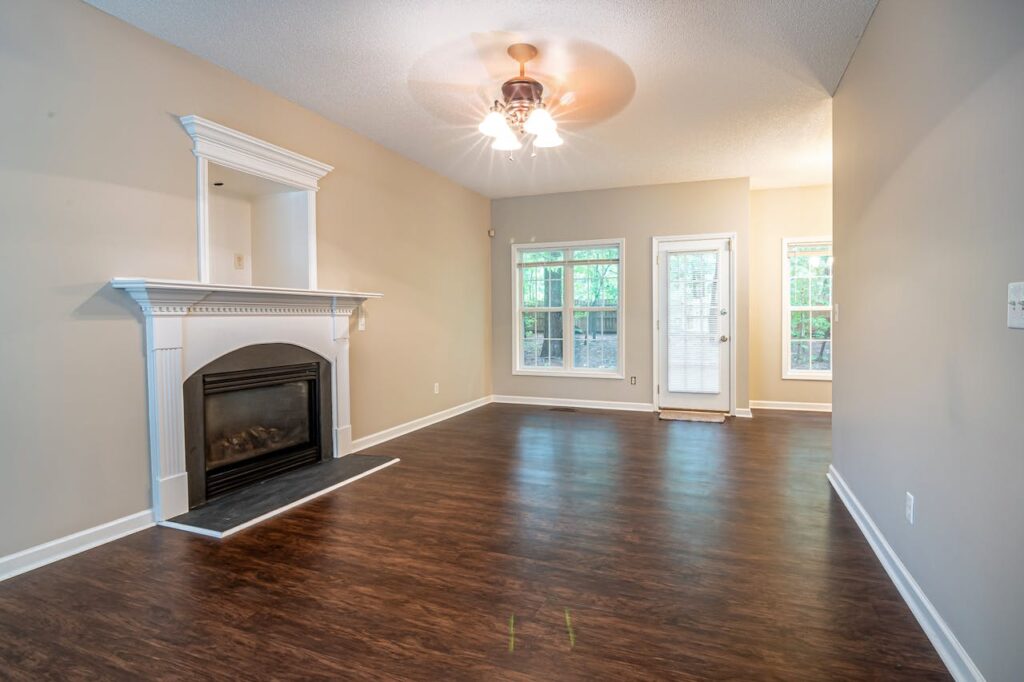
In Minnesota, homes reflect colder conditions. Pitched roofs help manage snow, while siding materials protect against moisture and freezing temperatures. Basements appear in most homes and serve as storage areas, laundry spaces, or extra living rooms. Because winters last longer, insulation quality matters more. Windows often include multiple panes, and heating systems run for extended periods. Fireplaces, mudrooms, and enclosed garages appear frequently. These features support daily comfort during colder months. Lot sizes may feel smaller in urban areas, yet shared green spaces remain common. Home maintenance also changes. Snow removal becomes routine, and roof inspections happen more often.
Buyers and renters should check furnace age, insulation depth, and window seals before committing. Storage needs may also increase due to seasonal gear. For families moving from Rio Rancho, adjusting expectations around home design helps avoid surprises. Near the end of planning, many people research cross country moving companies Rio Rancho to coordinate transport efficiently and prepare for these housing differences with confidence.
Cost of Living Comparison
Cost of living comparisons help set clear financial expectations before a major relocation. When moving from New Mexico to Minnesota, everyday expenses shift in noticeable ways. New Mexico is one of the most affordable states in US and it is 3.5% cheaper than Minnesota, which means budgeting habits may need adjustment. If you lived in New Mexico instead of Minnesota, you would pay 5.5% less for restaurants, which affects how often people dine out. Grocery costs also stay lower in New Mexico, with residents paying 2.4% less for everyday food items. Transportation shows one of the largest gaps. Residents pay 13.8% less for transportation in New Mexico, largely due to fuel prices, insurance rates, and commuting distances.
Housing costs follow a different pattern. New Mexico residents pay 2.7% more for housing, which surprises some movers at first. Childcare expenses create another contrast. Families pay 9.2% less for childcare in New Mexico, which can influence long-term planning for parents. Entertainment and sports also cost less in New Mexico, with residents paying 3.4% less for tickets, events, and recreational activities. Clothing expenses move in the opposite direction. New Mexico residents pay 6.8% more for clothing, often due to seasonal demand and retail availability. These differences show how spending priorities shift between states. While Minnesota may require higher overall spending, wages and services often balance costs. Understanding these numbers early helps households plan smarter and avoid financial surprises after the move. If you decide to move, make sure to hire interstate moving companies Minnesota to help you!

Employment and Job Market Shifts After Moving From New Mexico to Minnesota
Employment and job market shifts play a major role in relocation decisions. New Mexico and Minnesota support different economic structures, which affects job availability and income potential. New Mexico relies heavily on government services, education, healthcare, and energy production. Federal laboratories, military installations, and state agencies employ large portions of the workforce. Healthcare systems and universities also rank among major employers. Minnesota presents a broader private-sector base. Manufacturing, healthcare, finance, agriculture, and technology drive employment across the state. Large healthcare networks, medical device companies, and food production firms employ thousands of workers. Corporate headquarters and regional offices strengthen job stability in urban areas.
Unemployment rates in both states remain relatively close, although Minnesota often reports slightly lower figures due to workforce demand. Salary expectations differ as well. The average salary in New Mexico is $62,404 per year, which reflects strong wages in specialized roles. In some cities, earnings rise higher. The average salary in Santa Fe, New Mexico is $76,571 per year, driven by government positions, research roles, and professional services. Minnesota shows a lower statewide average, with an average salary of $52,043 per year. However, income varies widely by industry and location. High-paying roles in Minnesota include medical specialists, engineers, information technology managers, and corporate executives. These positions often exceed statewide averages by a wide margin.
While Minnesota’s average salary appears lower, job availability and long-term stability attract many professionals. Understanding these employment differences helps workers align career goals with realistic income expectations after relocation. If you are considering moving from New Mexico to Minnesota, cross country moving companies Santa Fe will do their best to help you!

Taxes and Financial Planning
Taxes and financial planning deserve careful attention before a state-to-state move. New Mexico and Minnesota apply different tax structures that affect take-home pay and long-term budgeting. Minnesota uses a progressive income tax system with higher top rates, which can impact higher earners more noticeably. New Mexico also applies progressive rates, although the brackets and thresholds differ. Because of these differences, some households see changes in net income after the move.
Property taxes also require review. Minnesota generally charges higher property taxes, especially in metro areas, which affects homeowners directly. Renters may feel this cost indirectly through monthly rent. Sales taxes vary by city and county, so daily spending changes depending on location. Minnesota often adds local taxes on top of the state rate, which increases costs for common purchases. Financial planning should also include utility expenses. Heating costs rise in colder climates, and winter energy bills often exceed those in New Mexico.
Insurance premiums may shift as well. Auto insurance rates can increase due to weather risks, while homeowner policies may reflect snow-related exposure. Retirement planning also matters. State tax treatment of pensions, Social Security, and retirement withdrawals differs, which can affect long-term plans. Reviewing benefits before the move helps avoid surprises later. Updating budgets, adjusting savings goals, and speaking with a tax professional can provide clarity. Thoughtful financial planning ensures households stay prepared and maintain stability after settling into a new state.
If You Like Spending Time Outdoors, You Will Be Busy in Minnesota
If you like spending time outdoors, you will be busy after moving from New Mexico to Minnesota throughout the year. The state offers constant access to lakes, rivers, trails, and public parks that support active routines. Warm months bring boating, kayaking, fishing, and swimming across thousands of freshwater lakes. Many residents plan weekends around water access because public entry points remain easy to find. Trails support walking, cycling, and running in both cities and rural areas. State parks maintain clear paths and well-marked routes, which makes planning simple.
As seasons change, outdoor habits shift rather than stop. Fall encourages hiking and wildlife viewing as temperatures cool. Winter introduces snow-based activities that shape daily life. Residents ski, snowshoe, skate, and ice fish once lakes freeze solid. Cities maintain groomed trails, and local parks stay active even during cold months. Spring arrives gradually, yet outdoor spaces reopen early as snow melts. Birdwatching, trail walks, and early fishing mark the transition.
Outdoor time often becomes part of routine wellness rather than occasional recreation. Families plan activities around daylight hours, while communities organize seasonal events in public spaces. Gear matters more than experience, and most people learn quickly. With proper clothing and preparation, outdoor access stays consistent. For anyone who enjoys fresh air and movement, Minnesota provides steady opportunities that keep schedules full and habits active all year long. Those relocating should hire interstate moving companies New Mexico for a successful process!

The Best Cities in Minnesota for Newcomers
Many newcomers look for cities that offer steady job access, reliable services, and welcoming neighborhoods. Minnesota provides several strong options, each with a different pace and cost profile. Some cities suit professionals, while others work better for families or retirees. Access to healthcare, schools, and transportation often guides these choices. Below are several Minnesota cities that newcomers commonly choose because daily life feels manageable and well-supported. Each location offers clear advantages depending on lifestyle needs and budget expectations.
- Minneapolis: Minneapolis is one of the best cities for job seekers in Minnesota. Major employers operate here, especially in healthcare, finance, and technology. Housing options range from apartments to single-family homes, which supports different budgets.
- Saint Paul: Saint Paul offers a slightly slower pace while remaining close to Minneapolis. Government offices, schools, and healthcare systems employ many residents. Neighborhoods often feel stable and well-organized.
- Rochester: Rochester draws newcomers because of healthcare jobs and consistent demand. The city supports families with schools, parks, and reliable infrastructure. Living costs often stay lower than larger metro areas.
- Duluth: Duluth appeals to people who enjoy cooler weather and access to outdoor spaces. Shipping, education, and healthcare shape the local job market. Housing prices remain reasonable compared to metro regions. It is one of the top places for families in Minnesota, too.
- Bloomington: Bloomington works well for commuters. Proximity to major highways and employers supports daily travel. Retail, logistics, and service jobs remain common here.
Each of these cities supports newcomers in different ways. Choosing the right one depends on work needs, family plans, and preferred pace of life.
Look Ahead With Confidence!
Moving across states brings lasting changes that shape daily routines, finances, and long-term comfort. Moving from New Mexico to Minnesota requires preparation, flexibility, and realistic expectations. Climate, housing, and seasonal habits will feel different at first. However, clear planning helps reduce stress and avoid surprises. Understanding costs, employment options, and lifestyle shifts supports better decisions. Over time, new routines replace old ones, and familiarity grows. With patience and organization, this move can support stability, opportunity, and personal growth. A well-planned approach allows families and individuals to settle in with confidence and build a comfortable life in a new setting.