
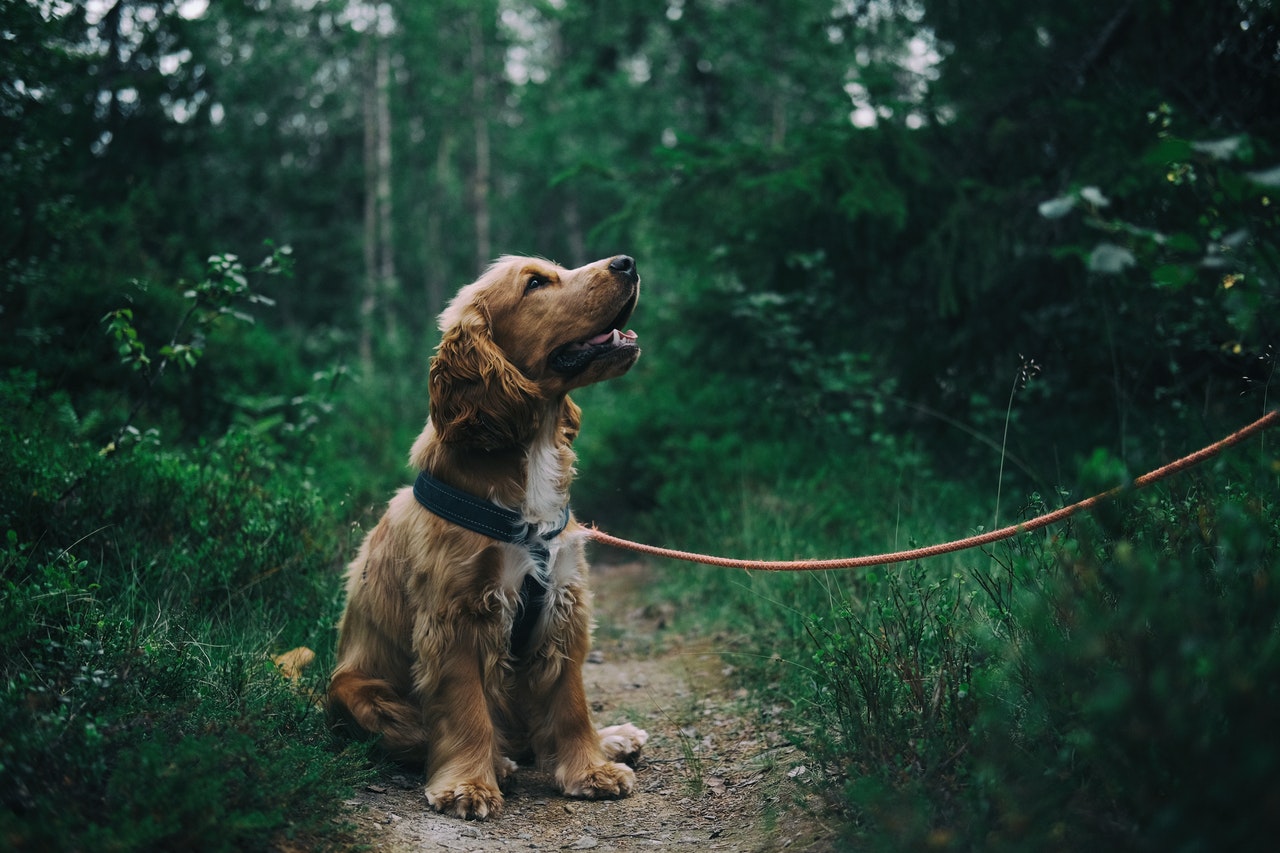


Moving is a very stressful event in anyone’s life. But if you are moving with your pet, then you should know that moving is stressful for them as well. Seeing as 62% of households in Tennessee own a pet, the practice of moving a pet should be well known. Everything is changing, and it can take time to adjust to their new home. Also, remember that they feel everything you feel, and often will reflect your feelings. It is important to make the relocation as easy as possible, so you need to hire only the best interstate moving companies Tennessee. You need to hire someone who can understand how stressful it can be and is ready to help you move with ease with your pet.
When You Are Moving With Your Pet You Need to Prepare
Moving with your pet will be a challenging task, and you need to prepare in advance so you can handle anything that comes your way. You need to plan everything ahead, and the best way to do so is to create a moving checklist. That way, you can keep track of every task ahead of you and you can spend more time with your pet. Once they see that you are packing your whole life into boxes they can become sensitive, sad, angry. You need to pay more attention to them and do your best to make this transition as easy as possible.
The Type of Pet Will Determine Their Needs
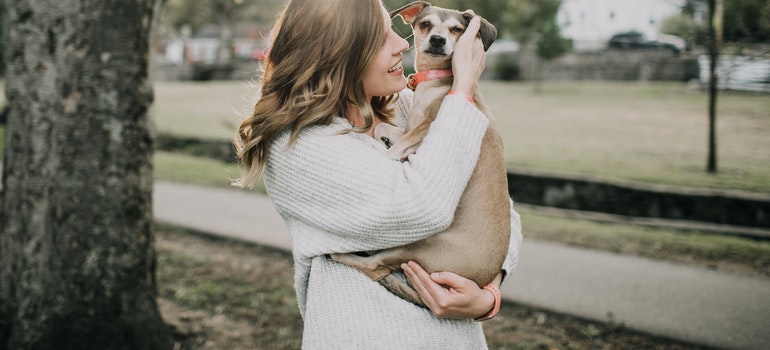
When moving with popular pets like dogs, cats, birds, and small mammals, it’s essential to address their unique needs to ensure a smooth transition.
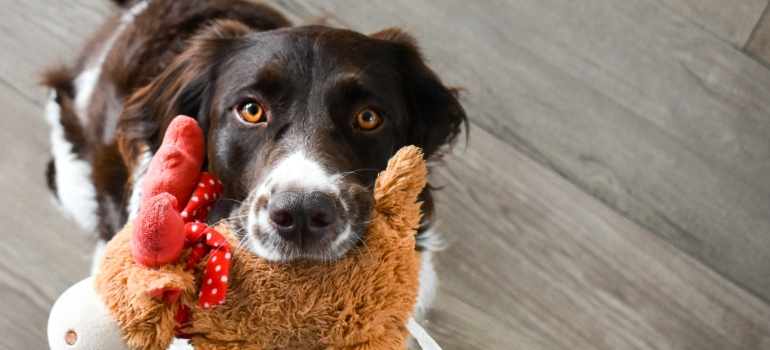
- Dogs often require a familiar blanket or toy to provide comfort and reduce anxiety during travel. Using a crate or harness is vital for their safety.
- Cats, known for their sensitivity to changes, benefit from a quiet space with a secure carrier lined with a familiar-smelling item. Introducing the carrier before moving day can help ease their stress.
- Birds are particularly sensitive to drafts and sudden temperature changes; it’s crucial to cover their cage with a breathable cloth to keep them calm and stable.
- For small mammals such as rabbits, guinea pigs, and hamsters, maintaining their regular diet and providing hiding spots within their travel carriers can reduce stress.
It’s also important to monitor the temperature in the car, as these animals can be more susceptible to heat and cold. Regardless of the type of pet, maintaining a routine as close to their normal schedule as possible is beneficial. Avoid feeding them a large meal right before the journey to prevent motion sickness and ensure they can always access fresh water. For all pets, but especially exotic ones, consulting with a veterinarian before the move can provide additional insights and tips tailored to the specific needs of your pet. By addressing these special requirements, pet owners can help make the moving process smoother and less stressful for their beloved companions.
Introduce Your Pet’s Crate Early
Introducing your pet to their transportation crate gradually is essential for a smooth move. It is important even for a local move. Start this process several weeks before the move to ensure your pet feels comfortable and secure in their crate. Begin by placing the crate in a common area of your home where your pet spends a lot of time. Leave the door open so they can explore it at their own pace.
Encourage your pet to enter the crate by placing their favorite toys, treats, or a comfortable blanket inside. Spend a few minutes each day interacting with your pet near the crate, rewarding them with praise and treats when they enter it voluntarily. Gradually increase the amount of time they spend inside with the door closed, starting with short periods and slowly extending them as your pet becomes more accustomed.
Make the crate a positive and safe space by feeding your pet their meals inside it. This helps associate the crate with positive experiences. Practice taking short car rides with your pet in the crate to get them used to the movement and sounds of travel.
By starting early and using these gradual introduction techniques, you can help your pet build a positive association with its crate, reducing anxiety and ensuring a smoother transition on moving day.
Visit a Veterinarian Before You Move With Your Pet
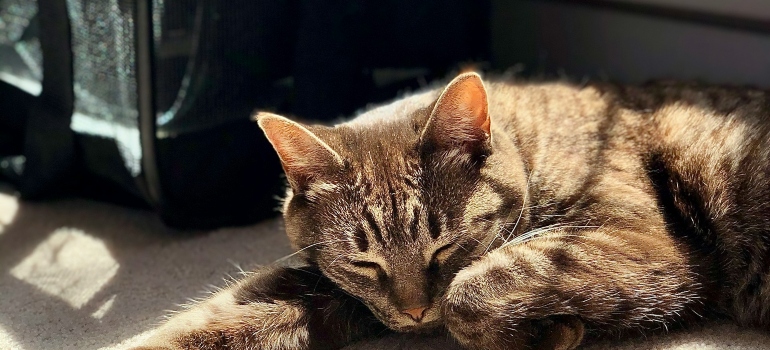
One of the first things that you need to do before moving with your pet is to visit a veterinarian. This is especially important if you plan to move long distances. If you are moving to a different country, you will probably need to vaccinate your pet additionally or gather some documents. Either way, visit a vet as soon as possible. If you haven’t already, you should microchip your pet, especially if you plan to relocate to a big city like most people these days. This is a safety precaution in case your pet gets lost while adjusting to a new environment.
Also, ask for a recommendation for a veterinarian near your new home. It is important that you take your pet to regular check-ups and to have someone you can trust.
Get Your Pet A Passport For International Moves
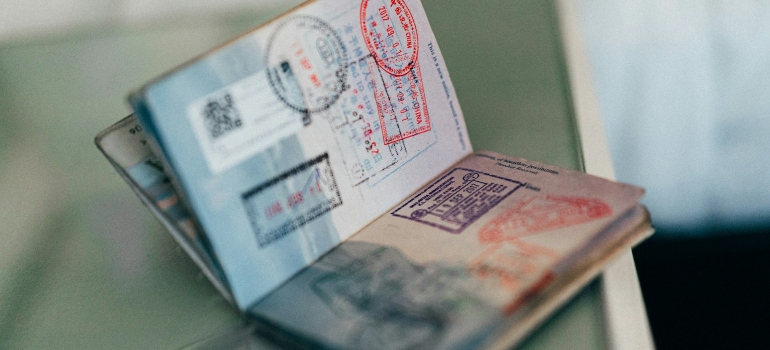
If you’re moving to another country with your pet, like moving to Italy from the US, obtaining a pet passport is essential. A pet passport documents that your pet meets all necessary health requirements for entry into the destination country. Requirements typically include a microchip, up-to-date vaccinations (particularly rabies), and a health certificate issued by a certified veterinarian. Additionally, some countries require a blood titer test to confirm rabies antibodies, which must be done well in advance.
The process of obtaining a pet passport can take several weeks to a few months, depending on the specific requirements and waiting periods for test results. Therefore, it’s crucial to start this process as soon as you know your moving date. The cost of a pet passport varies, but on average, you can expect to spend between $150 and $500. This includes the cost of microchipping, vaccinations, the health certificate, and any necessary tests.
For example, when moving to Italy from the US, it’s advisable to contact the Italian consulate or embassy to get the most accurate and up-to-date information on the requirements. Planning ahead and understanding these requirements ensures that your pet can travel with you smoothly and without any legal issues.
What Should You Do if Your Pet Has a Scheduled Medical Procedure?
If you are moving last minute and your pet has a scheduled surgery or significant medical procedure, it’s crucial to plan to ensure their well-being carefully. If possible, postpone the surgery until after the move. This allows your pet to recover in a stable, familiar environment, reducing additional stress.
However, if postponing isn’t an option, take extra precautions to manage their needs. First, consult with your veterinarian to create a detailed care plan, including medication schedules, special dietary requirements, and any restrictions on activity. Make sure to have all necessary medical supplies and instructions easily accessible during the move.
Designate a quiet, comfortable area in your current home and, subsequently, in your new home where your pet can rest and recover away from moving. Ensure this area is equipped with their bedding, food, water, and any necessary medications.
During transit, keep your pet in a secure, well-ventilated carrier, and make frequent stops to check on them, offering water and ensuring they are comfortable. Upon arrival at your new home, immediately set up a calm space for them to continue their recovery.
If possible, enlist the help of friends or family to assist with the move, allowing you to focus on your pet’s needs. By taking these steps, you can help ensure a smoother transition and a more comfortable recovery for your pet amidst the chaos of a last-minute move.
Routine Is Important When Moving With Your Pet
Almost all pets like their routine, and they feel stressed when too many things change at once. Changing their routine can cause them a lot of stress and anxiety, and it can cause them to act differently than they usually do. Start looking for the best long distance movers Tennessee as soon as possible so you can slowly ease your pets into the change. Do your best to keep things as normal as possible. Try to feed them at the same time, and walk them regularly.
Give All Your Free Time To Your Pets
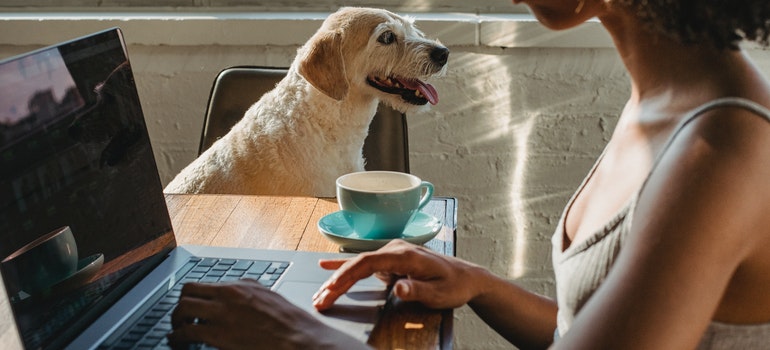
Paying special attention to your pet and giving them extra cuddles during the moving process can significantly ease their anxiety and stress. Pets are sensitive to changes in their environment and can sense your stress, making them feel unsettled. Providing extra affection, such as cuddles, gentle petting, and spending quality time together, can help reassure them that they are safe and loved. This extra attention releases oxytocin, a hormone that reduces stress and promotes feelings of bonding and comfort for both you and your pet.
To ensure your pet receives the attention it needs, designate regular intervals throughout the day for playtime, walks, and cuddling sessions. Create a quiet, familiar space in your home with their favorite toys, bedding, and treats where they can retreat when they feel overwhelmed. This consistent interaction helps maintain their routine and offers them a sense of stability.
While you focus on comforting your pet, let long distance movers handle the logistics of your move. Professional movers can efficiently manage packing, transporting, and unpacking your belongings, allowing you to dedicate your time to your pet’s well-being. By prioritizing your pet’s emotional needs, you can help them transition more smoothly and ensure a less stressful moving experience for everyone involved.
Be Vigilant
Being vigilant of changes in your pet’s behavior during a move is crucial, even if you’re doing everything right. Pets can still experience stress, which may manifest in various ways. Pay extra attention to whether your pet is eating and drinking properly, as changes in these habits can signal deeper issues. You may be busy with preparing the move, but when reading Verified Movers reviews, you will find a moving company quickly, so you can pay extra attention to your pet.
If a pet stops eating or drinking, it can lead to dehydration, malnutrition, and a weakened immune response, making them more susceptible to illnesses. Additionally, inadequate food and water intake can cause gastrointestinal problems such as constipation or diarrhea. Behavioral changes like increased aggression, excessive barking or meowing, and hiding are also common signs of stress.
Monitor your pet closely for these signs and provide a comfortable, quiet space where they can retreat. Keep their routine as consistent as possible, including feeding times and walks. If you notice any significant changes in their behavior or eating and drinking habits, consult your veterinarian immediately. They can provide guidance and, if necessary, prescribe medication to help manage your pet’s stress. By being vigilant and proactive, you can address potential problems early, ensuring your pet remains healthy and comfortable throughout the moving process.

Don’t Let Them See You While Packing
We know that this might sound silly, but it can really help your pets. When they see you packing all the things they are used to, they can have a bad reaction. So the best thing you could do is to have them stay with your friends or family while packing. The other option is to move them to another room with their toys, food, and water. Keep in mind that seeing all the things missing can also cause them discomfort.
Introduce New Things Gradually
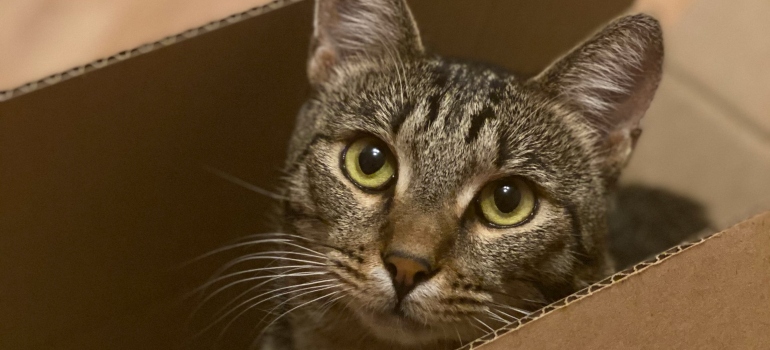
Slowly introducing new items, like boxes, into your home is crucial when preparing for a move with pets. Gradual introduction helps pets acclimate to the changing environment without feeling overwhelmed. Sudden changes, such as an influx of packing materials, can cause anxiety and stress in pets, leading to behavioral issues like hiding, aggression, or refusal to eat.
Start by placing a few boxes in a corner of the room your pet frequents. Allow them to sniff and explore these new objects at their own pace. Gradually increase the number of boxes over several days or weeks. This slow integration helps pets become accustomed to the changes, reducing their anxiety and helping them feel more secure.
The same principle applies if professional packers are coming to pack your home and demonstrate their packing secrets to you. Introduce your pet to the packers by allowing them to see and sniff the new people from a safe distance before they start working. Ensure the packers are aware of your pet’s presence and comfort needs. This approach prevents your pet from feeling threatened by strangers suddenly invading their territory.
Failing to introduce new items and people slowly can result in heightened stress and potential behavioral issues, making the moving process more challenging for both you and your pet. By taking these steps, you create a calmer, more controlled environment, helping your pet adjust smoothly to the upcoming move.
Consider Not Letting Your Pet Be At Home While Moving
Babysitting pets can be an excellent option to keep them away from the stress and chaos of the moving process. This approach ensures your pet remains in a calm and familiar environment, reducing anxiety and preventing potential behavioral issues. If you have friends or family members who are familiar with your pet, consider asking them to look after your furry friend during the move. Pets often feel more comfortable with people they know and trust, making this a seamless option.
If friends or family are not available, look into local pet care facilities such as pet boarding services, daycares, or professional pet sitters. Many of these facilities offer temporary care options and are equipped to handle the needs of various pets, ensuring they receive the attention and care they require. When choosing a facility, ensure it is reputable and has positive reviews from other pet owners. Visit the facility beforehand to check the cleanliness, staff interaction, and overall environment.
Additionally, some veterinarians offer boarding services, especially if your pet has medical needs that require close monitoring. By arranging for your pet to stay with trusted friends, family, or a professional care facility, you can focus on the logistics of moving, knowing that your pet is safe and well-cared for, leading to a smoother transition for everyone involved.
You Should Pack Your Pet’s Things Last
When you are relocating with your pet, the last thing you should pack is theirs. It will help them feel calm, and it will reduce stress. Also, it is important to clearly mark the boxes with their belongings so you can unpack them first. The familiar scent will help them feel at home, and they will feel calmer. Because of this, it is important to find reliable movers who can handle your move without any issues and who understand that your pets have needs, too. Using Verified Movers to find a reliable company with good reviews will help you to relocate with ease. You will get only the best, checked, and reliable moving companies.
When Moving With Your Pet, Transport Them Safely
Moving with your pet can be tricky when it comes to transportation. The best possible option is for your pet to travel with you. That way, they won’t be scared or feel abandoned. But sometimes, this is not possible, especially if you are moving long-distance. Make sure to do proper research when you are looking for the best ways to move your pet.
If you are using a plane, make sure to check how they keep animals, if they are comfortable and if there is an option for your pet to be in the cabin with you. If you are using different ways of transport, make sure to contact them in advance and ask them all the questions that you need. You need to do your best to help your pet feel comfortable while traveling. After all, you are giving them your pet and you need to make sure that it is safe.
Be Careful if Your Pet Is Moving With You
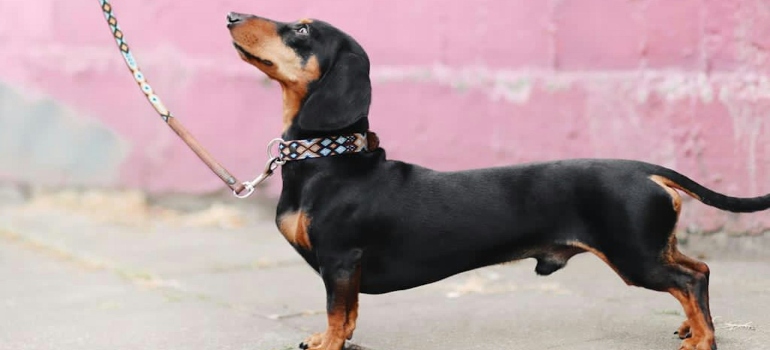
If you are moving with your pet and you decide to move it with you, you need to prepare. First of all, you need to make sure that they are safe in the car. And they are used to driving in the car. Next, you need to make sure that you have enough water to give them. The same goes for food and treats. Also, you should make regular stops so your pet can stretch. And no matter what, your pet should be on a leash. They can feel scared or threatened, and you are risking too much if you don’t keep them on a leash, no matter how well-behaved they are.
How to Keep Your Pet Entertained During a Long Drive
Keeping your pet entertained during a long drive is essential to minimize stress and ensure a smoother journey. Start by packing a variety of your pet’s favorite toys, including chew toys, puzzle toys, and interactive games that can keep them engaged. Rotate these toys throughout the drive to maintain their interest. If your pet enjoys treats, consider bringing along some treat-dispensing toys that can provide both mental stimulation and a reward.
Another effective way to keep your pet entertained is to plan for regular breaks. Stopping every few hours allows your pet to stretch, relieve themselves, and burn off some energy. Use these breaks for short play sessions or a brief walk to keep your pet physically active and mentally stimulated. Additionally, ensure you bring along a comfortable bed or blanket that smells like home, as familiar scents can have a calming effect on pets.
Playing calming music or audiobooks can also help to create a soothing environment in the car. There are specific playlists designed for pets that can reduce anxiety and help them relax. Finally, interact with your pet during the drive by talking to them and offering occasional petting or gentle massages. This attention reassures them and can make the journey more enjoyable for both of you. By preparing a variety of entertainment options and planning for breaks, you can help keep your pet engaged and comfortable during a long drive.
Pet First Aid Tips for Moving Day
Having a pet first aid kit on hand during moving day is crucial to address any unexpected health issues or minor injuries that may arise. Start by assembling a kit that includes essentials such as bandages, antiseptic wipes, tweezers, and a digital thermometer. Include any specific medications your pet may need, along with their medical records and the contact information for your veterinarian.
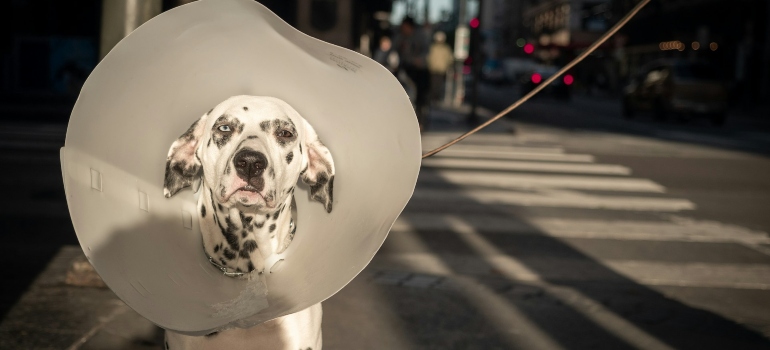
During the move, watch your pet closely for signs of stress or discomfort. If they show symptoms of anxiety, such as excessive panting, drooling, or shaking, create a quiet space where they can retreat. This area should be away from the noise and activity of the move, equipped with their bed, toys, and water. Clean the wound with antiseptic wipes and apply a bandage to prevent infection if your pet gets injured. For more serious injuries or if you’re unsure of how to handle a situation, contact your veterinarian immediately for advice.
Make sure to keep your pet hydrated, especially if the weather is warm. Offer small amounts of water regularly and monitor their intake. If your pet experiences motion sickness during the move, talk to your veterinarian beforehand about possible remedies or medications that can help. Keeping your pet’s first aid kit accessible and knowing how to use its contents effectively ensures you are prepared to handle any minor emergencies, providing peace of mind and safeguarding your pet’s health during the move.
Don’t Leave the Doors Open
One of the most common mistakes people make when relocating with their pets is leaving the door open, especially on the moving day. And often, pets are scared of their new surroundings, and they can try to get away, so they can try to get to their old home. Keep an eye on the doors, settle in, and take your pet on a leash for their first walk around the neighborhood. Stick to their previous routine, be understanding, and you can be sure that they will adjust to their new home rather fast.

Moving With Your Pet Is an Adventure That You Need to Be Prepared For
As you can see, moving with your pet is no easy task. However, since they are loved family members, they should only be treated with respect and understanding. Try to put yourself in their place – everything that is familiar to you is changing, and you don’t even know why. So, once everything is done, you and your pet deserve to relax after a long distance move, in a way that you see fit!