
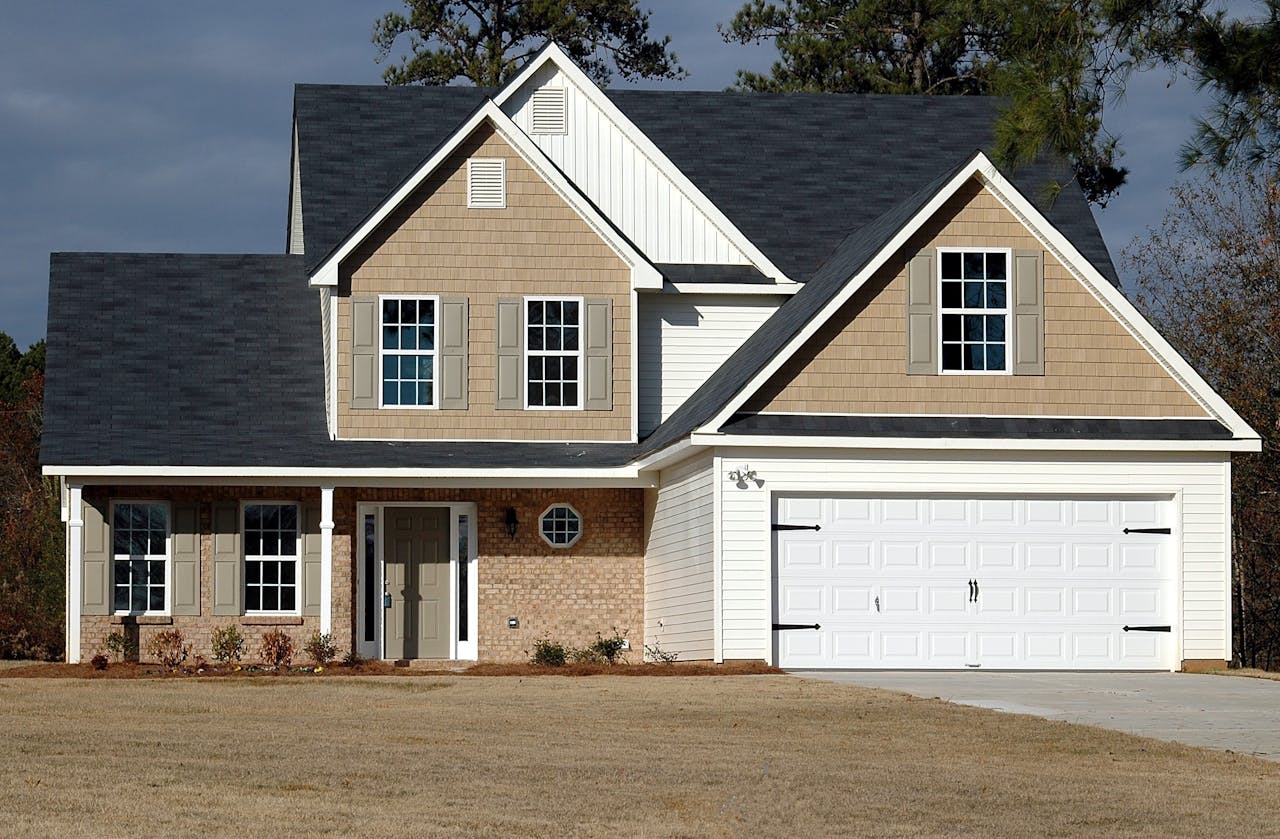


Moving from Chesapeake to Norfolk might seem like a short trip on the map. However, it still requires careful planning and preparation. Both cities have their own pace, layout, and community feel. Understanding these differences helps you settle in faster and enjoy your new surroundings. Verified Movers will walk you through what to expect, what to prepare and find the right movers, and how to make the process more organized. From packing tips to neighborhood insights, you will find clear steps for an easier move!
Compare These Cities Before Making the Move!
Comparing Chesapeake and Norfolk in different terms helps you make practical decisions before moving. Housing costs, job markets, schools, and healthcare access can vary between the two cities. Understanding these differences lets you choose a neighborhood and lifestyle that fit your needs. Looking at commuting times, local amenities, and overall expenses also helps you plan your budget more accurately. This comparison gives you a clear picture of what to expect so you can prepare with confidence.

Cost of Living Comparison
When planning a move from Chesapeake to Norfolk, it helps to know how expenses differ between the two cities. Overall, Chesapeake’s cost of living is 12.5% higher than Norfolk’s. Housing is the biggest difference, with homeowner costs 45.4% higher in Chesapeake. This means buyers may find more affordable options in Norfolk, especially in established neighborhoods outside the downtown area.
Food expenses are also slightly higher in Chesapeake, averaging 2.2% more than in Norfolk. While the difference is small, it can add up over time for larger households. Utilities are almost the same, with Chesapeake being just 0.7% higher. Commuting costs, however, are noticeably different. Living in Chesapeake can mean paying 22.8% more in transportation, especially if you drive longer distances for work. Healthcare costs in Chesapeake are slightly lower, about 0.5% less than in Norfolk. While this gap is minimal, it’s worth noting if regular medical visits are part of your household expenses.
These differences show why comparing both cities is important before deciding where to live. Norfolk’s lower housing and commuting costs could free up more of your budget for savings, leisure, or other priorities.

Job Opportunities
When comparing Chesapeake and Norfolk for employment potential, Norfolk generally offers higher earning opportunities. The average salary in Norfolk is $55,319 per year, compared to $46,708 in Chesapeake. This gap reflects the difference in major industries and the presence of large employers in each city.
Norfolk is home to Naval Station Norfolk, the largest naval base in the world, which employs thousands of military and civilian workers. The Port of Virginia and related maritime industries also provide steady jobs in shipping, logistics, and trade. Healthcare is another strong sector, with Sentara Norfolk General Hospital, Bon Secours DePaul Medical Center, and CHKD serving as major employers. Education contributes as well, with Old Dominion University and Norfolk State University offering teaching, research, and administrative roles.
High-paying positions in Norfolk often include engineering managers, ship pilots, information systems managers, and healthcare specialists. Chesapeake’s job market leans toward retail, local government, and manufacturing, with fewer top-paying roles overall.
Unemployment rates in both cities tend to align closely with state averages, but Norfolk’s broader industry base often provides more varied job options. For those seeking higher salaries or specialized positions, moving from Chesapeake to Norfolk can offer a stronger platform for career growth.

Education
Education options in Chesapeake and Norfolk vary in structure, programs, and accessibility. Chesapeake Public Schools are known for newer facilities and a strong suburban network of elementary, middle, and high schools. Many families choose Chesapeake for its consistent state test performance and a range of extracurricular activities. Norfolk Public Schools serve a more urban population, offering magnet programs in science, technology, engineering, arts, and mathematics. These programs attract students from across the city and provide specialized learning environments.
Norfolk is also home to several higher education institutions, including Old Dominion University, Norfolk State University, and Tidewater Community College. These schools offer undergraduate, graduate, and professional programs in fields like engineering, business, healthcare, and education. Chesapeake residents often commute to these institutions for advanced studies, as Chesapeake itself has fewer four-year colleges.
Private and charter schools are available in both cities, giving parents additional choices. Norfolk’s schools tend to have closer proximity to cultural and research institutions, which can enhance learning opportunities through partnerships and field experiences. Overall, Chesapeake offers strong K-12 public school options, while Norfolk provides broader access to higher education and specialized academic programs. The best choice depends on a family’s priorities for grade level and academic focus.
Healthcare
Both these cities provide strong healthcare access, but the scope and variety of services differ. Norfolk has a larger concentration of major hospitals, including Sentara Norfolk General Hospital, Bon Secours DePaul Medical Center, and Children’s Hospital of The King’s Daughters (CHKD). These facilities offer specialized care in cardiology, oncology, pediatrics, and advanced surgical procedures. Norfolk’s role as a regional medical hub means residents have shorter travel times to top-tier specialists.
Chesapeake’s primary hospital, Chesapeake Regional Medical Center, delivers comprehensive services, including maternity care, orthopedics, and emergency medicine. While it offers high-quality treatment, residents often travel to Norfolk for more complex procedures or specialized care.
Both cities have multiple urgent care centers, private practices, dental clinics, and rehabilitation facilities. In terms of cost, healthcare in Chesapeake is about 0.5% lower than in Norfolk, which is a minimal difference for most households. Insurance networks generally cover providers in both cities, though it is important to confirm coverage before appointments. For residents who value having a wide choice of specialists, Norfolk may offer an advantage. Chesapeake provides strong local care for routine and moderate medical needs, with Norfolk’s larger facilities available for advanced or emergency cases.

The Best Neighborhoods Moving From Chesapeake to Norfolk
Norfolk offers a variety of neighborhoods that appeal to different lifestyles, budgets, and commuting needs. Choosing the right area can make a big difference in your daily life after moving. Factors like housing type, proximity to work, and local amenities should guide your decision. For newcomers moving from Chesapeake to Norfolk with Virginia long distance movers, it’s best to look at areas that combine accessibility, community feel, and a balance of housing options. Here are some of the best neighborhoods to consider:
- Ghent – A historic area with tree-lined streets, renovated homes, and easy access to dining, shops, and cultural venues. Popular with professionals and students due to its proximity to Old Dominion University.
- Ocean View – Offers a coastal lifestyle along the Chesapeake Bay. Features a mix of apartments, condos, and single-family homes, with public beach access.
- Larchmont-Edgewater – Family-oriented with spacious homes, parks, and reputable schools. Close to the naval base and universities.
- Downtown Norfolk – Ideal for those who want an urban setting. Features modern apartments, entertainment venues, and walkable access to restaurants and offices.
- Colonial Place – Known for its waterfront views along the Lafayette River and a variety of housing styles at moderate prices.
- East Beach – A planned community with upscale homes, private beach access, and a close-knit atmosphere.
When choosing, visit the neighborhood during different times of day to understand traffic, parking, and noise levels. Compare home prices and rental rates with your budget. Consider commute times, especially if you work outside the neighborhood. Each of these areas offers a distinct living experience, so finding the right fit will depend on your priorities for location, housing style, and lifestyle preferences.
Understanding the Distance and Commute
Chesapeake and Norfolk are neighboring cities in the Hampton Roads region. The distance between central Chesapeake and downtown Norfolk is about 15 to 20 miles. Depending on traffic, the drive can take 20 to 40 minutes. During peak hours, expect longer travel times, especially near tunnels and bridges. The Elizabeth River tunnels often slow down due to congestion. Planning your move outside rush hours can save time and reduce stress. If your new job or school is in Norfolk, check multiple routes before committing to one. GPS apps can help you monitor traffic patterns. This can make your first weeks in the new city more manageable.
Adjusting to Norfolk’s Lifestyle
Moving from Chesapeake to Norfolk often means adapting to a faster pace and a more urban environment. Norfolk has a busier daily rhythm, with more pedestrian activity, public events, and nightlife compared to Chesapeake’s suburban feel. Newcomers quickly notice the variety of restaurants, shops, and cultural attractions within short distances.
Waterfront areas such as the Waterside District and Ocean View provide opportunities for recreation, dining, and community gatherings. The city also hosts festivals, concerts, and markets throughout the year, which can help you meet new people and feel connected after the move. Public transportation, including The Tide light rail and HRT buses, makes commuting within the city easier for those who prefer not to drive everywhere. Cycling is another option, with several dedicated bike lanes and trails.
Adjusting involves exploring your neighborhood, trying local activities, and building routines that fit the city’s rhythm. With time, Norfolk’s mix of work opportunities, entertainment, and waterfront spaces can feel both engaging and welcoming to newcomers.

Preparing for the Move
A successful Chesapeake to Norfolk move starts with early preparation. Begin organizing your tasks several weeks before moving day to reduce last-minute stress. Create a plan that covers sorting, packing, and booking movers. Keep track of deadlines to avoid delays. The goal is to have everything ready so moving day runs without unnecessary interruptions. Here are key steps to follow:
- Declutter each room to reduce the number of items you need to move.
- Sell or donate belongings you no longer use.
- Book long distance moving companies Norfolk early to secure your preferred date and time.
- Gather packing materials such as boxes, tape, and protective wraps.
- Pack non-essential items first, leaving daily-use items for the final days.
- Label each box clearly with its contents and destination room.
- Prepare an essentials box with clothes, toiletries, and important documents.
Following these steps keeps your move organized and efficient. Two days before moving, you will be ready to focus on getting settled in your new Norfolk home instead of rushing through last-minute packing.
Choosing the Right Movers
Hiring the right movers can make moving from Chesapeake to Norfolk relocation far easier. Start your search early to compare services and pricing. Focus on companies with strong reputations in the Hampton Roads area. Local experience matters because movers familiar with both cities understand traffic patterns, parking rules, and building access requirements. This knowledge helps avoid unnecessary delays on moving day.
Ask for in-home or virtual estimates to get accurate quotes and try to get discounts. Confirm that the company is licensed and insured for your protection. Read reviews from past customers to gauge reliability and professionalism. If you have heavy furniture, delicate antiques, or special equipment, mention these items in advance so the movers bring the right tools and packing materials.
Request a detailed breakdown of charges before you sign a contract. Look for clear information on potential extra fees for stairs, long carries, or storage. Reliable long distance moving companies Chesapeake will answer your questions directly and provide realistic timelines. Choosing professionals who meet these standards gives you confidence that your belongings will arrive safely and on time in your new Norfolk home.

Your Move, Your New Beginning!
Moving from Chesapeake to Norfolk opens the door to fresh experiences and a different daily pace. Careful planning and preparation help you manage the process without unnecessary stress. Stay organized from the start, keep clear communication with your movers, and address each step methodically. Explore neighborhoods, compare costs, and prepare for the changes in environment and routine. Norfolk’s waterfront areas, cultural events, and active community life provide plenty to enjoy once you settle in. With the right approach, you can make the move easy, avoid unexpected moving problems and begin building your new chapter in this dynamic and engaging city.