


Unpacking boxes is one thing—figuring out how to set up your kitchen after a move is something else entirely. It’s usually the most used room in any home, so getting it organized quickly makes a huge difference. You’ll want to find a system that works for your habits, cooking style, and daily routine. Starting with the basics helps you avoid clutter and wasted time. Don’t rush the process—good setup now means less stress later. If you’re unsure where to begin, Verified Movers can help guide you through smart unpacking tips and expert advice. Let’s walk through how to get your kitchen functional, tidy, and ready for everyday use.
Clean the Kitchen Before Unpacking
Before you begin the unpacking process, and unpack a single dish, take the time to clean your new kitchen. This step sets the foundation for everything that follows. It’s easier to wipe down shelves and drawers when they’re empty. Dust, crumbs, and leftover grime from the previous owners may still be there, so don’t skip this part. Start with the countertops and use warm water and mild soap, then disinfect. Pay attention to corners and edges where dirt builds up. After that, wipe the inside of the cabinets. If the shelves are sticky or stained, a mix of baking soda and vinegar works well and doesn’t leave harsh smells behind.
Don’t forget to clean drawers. Pull them out completely if possible. Check for old food or loose hardware. A handheld vacuum or brush can help reach tight spots. Move on to the fridge and freezer. If they’ve been shut for a while, unplug them first. Take out the shelves and bins. Wash each piece with warm soapy water and dry thoroughly before putting everything back. Mop the floor last. Move boxes or small furniture to reach all corners. Let the space dry completely before setting anything down. If you’ve moved from far away, like from another state, you might still be catching your breath. Or think about hiring a professional cleaner to help you.
For example, folks relocating from South Dakota often deal with a lot of unpacking. If that’s the case, long distance movers South Dakota can help manage the heavy lifting so you can focus on organizing your home. Cleaning may feel slow, but it saves time later. Your dishes will stay clean, and you won’t have to move things again to fix what was missed. Clean first, then unpack. It’s the smartest way to start fresh in your kitchen.
Sort and Prioritize Kitchen Boxes to Set Up Your Kitchen After the Move Easily
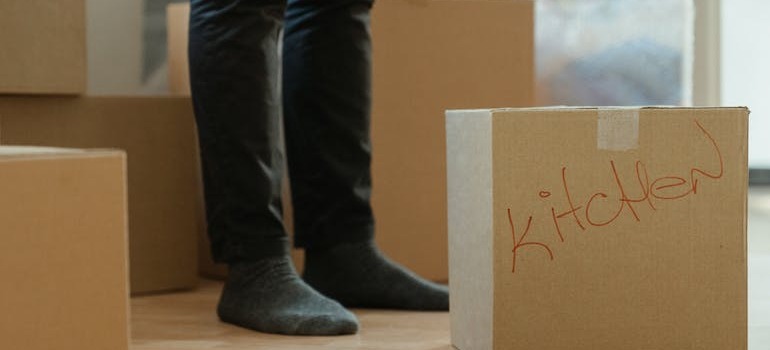
Once your kitchen is clean, focus on the boxes. Sorting them first saves time and keeps things from getting messy. Look for anything labeled “kitchen” or marked with colored tape. Set those aside from the rest of your unpacking. Open each box one at a time. Also, make sure you inspect and check for damages as soon as possible. After that, group items into simple categories, such as:
- Everyday dishes and silverware
- Pots and pans
- Pantry items and dry goods
- Appliances
- Baking tools
- Cleaning supplies
Set aside anything you won’t need immediately, especially if you need to unpack into a small kitchen. You probably don’t need your slow cooker or cake pans on the first day. Focus on items you’ll use for your next few meals. Think about what you reach for daily—coffee mugs, water glasses, a frying pan, a few plates, and some utensils. Create a “first-use” pile and unpack those things first. You’ll feel more settled quickly without having to dig through every box. If you find duplicates or broken items, be honest. Set them aside for donation or trash. Don’t fill your new cabinets with stuff you don’t need.
This part is especially helpful if you’ve just made a major move. For example, people who relocate from Hawaii often arrive with a lot to sort through. Working with professionals like long distance movers Hawaii, can take the edge off, so you can focus on the details, including how to set up your kitchen after a move. When you sort before you unpack, you save hours later. You’ll know what you have and where it belongs. It keeps the process simple and gives you control from the start.
Unpack Daily Essentials First
Start with what you use every day. That’s the smartest way to unpack your kitchen. You don’t need to have everything set up right away, but having the basics within reach makes your new space feel usable from the start. Begin with your plates, bowls, and glasses. Choose a cabinet close to the sink or dishwasher. Place items you use daily at eye level. Less-used dishes can go higher or lower. Next, unpack your silverware. Use a drawer near the prep area or stove. If you have a divider, even better—it keeps things from sliding around. Unpack your cutting board, a few knives, and a mixing bowl. Keep them near the space where you’ll prep food. A nearby drawer or counter bin works fine for now.
Don’t forget the frying pan, a small pot, and some cooking utensils. Place them close to the stove. They’ll likely be used for your first meals. If you drink coffee or tea, get your kettle or machine out early. Plug it in and find a nearby cabinet for mugs. Also unpack dish soap, paper towels, a sponge, and trash bags. You’ll need these even before your first full meal.
If you’ve moved from out of state, unpacking can feel overwhelming. Many people relocating from Indiana have mentioned how helpful it is to plan ahead, especially when working with professionals such as long distance movers Indiana. They handle the hard part, so you can focus on setting up daily comfort. Only unpack what you know you’ll use today or tomorrow. You can return to the rest later. This step keeps your kitchen functional while you figure out the bigger layout. It’s simple, but it works. Start small, and build from there.
Create Kitchen Zones (Cooking, Prep, Cleaning, Storage)
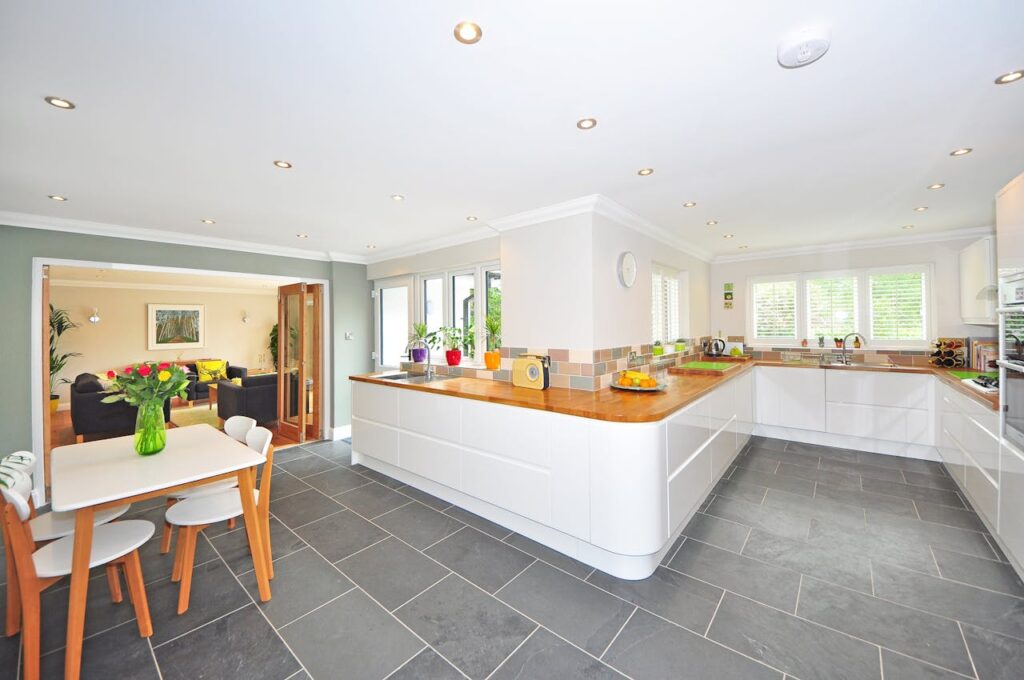
To keep your kitchen organized, split it into zones. Each zone should match a common task: cooking, prepping, cleaning, or storing. This method saves time and helps your kitchen run better from the start. Start with the cooking zone. This should be close to your stove. Place pots, pans, spatulas, and oven mitts here. Keep spices, cooking oils, and utensils nearby so you don’t have to move around while preparing meals. Next, set up your prep zone. Choose a stretch of clear counter space. Store knives, cutting boards, mixing bowls, and measuring cups in drawers or cabinets nearby. This zone is where most of your chopping and meal prep will happen.
Your cleaning zone goes near the sink. Store dish soap, scrubbers, sponges, and trash bags under the sink. If you have a dishwasher, keep pods or detergent close. Towels can hang from a hook nearby. The storage zone covers pantry goods and leftover containers. Keep dry food in one section and group similar items. Label bins for snacks, grains, and canned food. Stack containers with matching lids in one spot to avoid digging later. Zoning keeps your kitchen from feeling scattered. It makes daily cooking easier and avoids back-and-forth movement.
This setup method works in any home, whether you’ve moved across town or across the country. Many people moving into new homes in Oregon, for example, find it helpful to use this structure early on. Getting help from Oregon long distance moving companies can free up time and energy, so you can focus on details like how to set up your kitchen after a move. A smart layout makes life easier. Once you know where things go and why, you’ll spend less time searching—and more time cooking.
Use Storage Tools Wisely
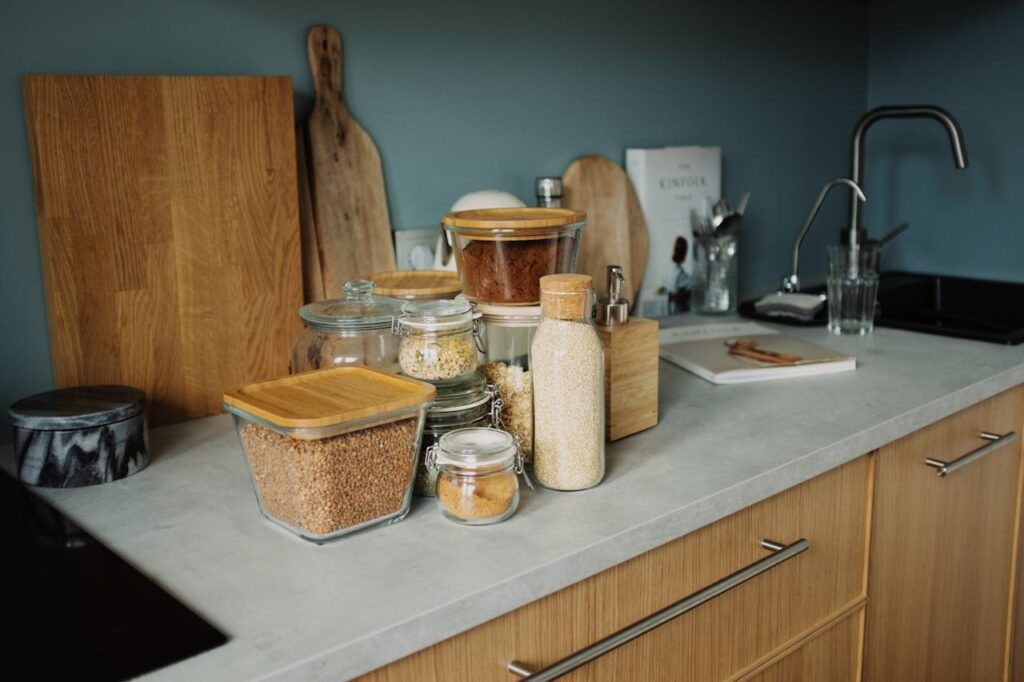
Kitchen space runs out fast, especially when you start unpacking all your tools and supplies. That’s why smart storage tools matter. They help you stay organized without needing extra cabinets. Start with drawer dividers. These keep utensils and gadgets from turning into a tangled mess. Use them in both large and small drawers to make the most of every inch. Shelf risers are great for stacking plates, bowls, or pantry items. They double your space without making it harder to reach things. In deep cabinets, use pull-out racks or bins. You won’t have to dig through a pile to find what you need. Corner cabinets can be tricky. A Lazy Susan helps you use the full space while keeping items within reach. It works well for spices, oils, or smaller jars.
Use clear bins in the pantry to group snacks, baking items, or canned goods. Label each one so everything stays in place. You’ll see what you have, and nothing gets lost in the back. Hooks and wall-mounted racks also help. Hang pots, pans, or utensils to clear up drawer space. Even the inside of cabinet doors can hold lids or measuring spoons with simple adhesive hooks. Your fridge can use help, too. Try bins for dairy, sauces, or chopped produce. A little structure keeps things visible and cuts waste.
These tools are useful for anyone, but they’re especially helpful if you’ve just moved. People settling into new homes in Montana often find their kitchen layout is different than expected. That’s where help from long distance movers Montana makes a difference. They handle the hard part, so you can spend more time setting up your new kitchen right. When you use space wisely, you don’t need more room—you just need better tools.
Make Space for Appliances and Gadgets
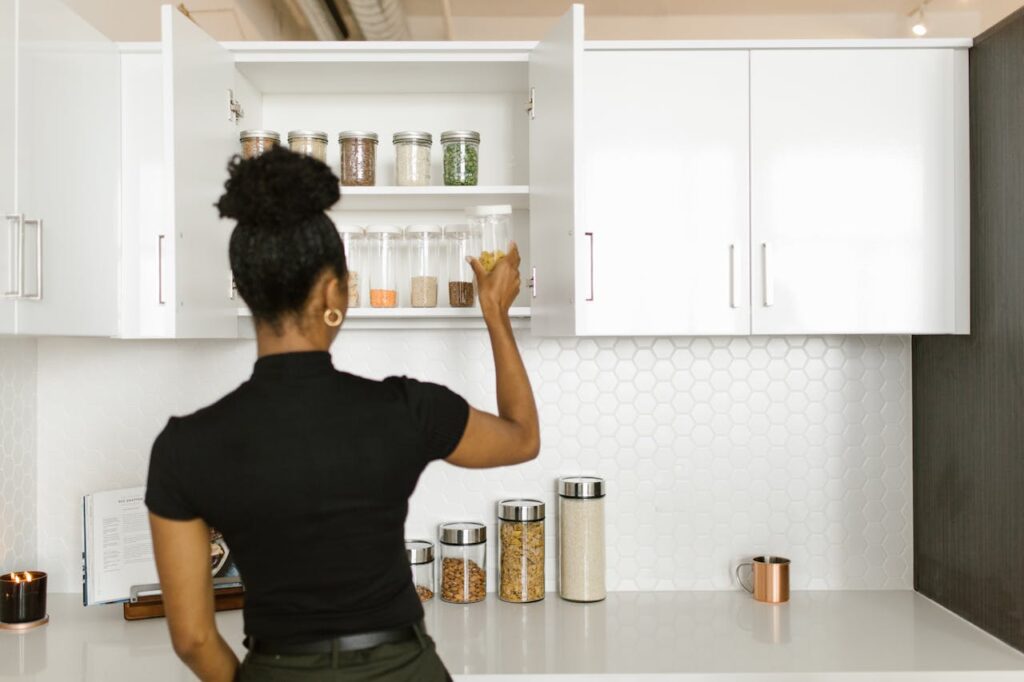
Appliances can take up a lot of space, especially in a smaller kitchen. After a move, it’s easy to feel overwhelmed by cords, gadgets, and bulky tools. To avoid clutter, choose which appliances stay on the counter and which ones get stored. Start with your most-used items. If you use your coffee maker every morning, give it a permanent spot near an outlet. Same goes for your toaster or blender—if you use them daily, keep them out. Everything else should go in a cabinet or pantry shelf. Store mixers, food processors, and slow cookers in lower cabinets or a nearby closet. If space is tight, stack them or place them in bins to keep things tidy. Don’t forget to keep their attachments and manuals nearby for easy access.
Group similar items together. Keep the blender base with the cups. Store all baking-related gadgets in the same drawer or basket. It saves time and cuts down on searching. If you’re setting up in a new place, it’s okay to adjust things over time. Many people moving into new homes in Oklahoma find their kitchen layout doesn’t match what they had before. In those cases, working with long distance movers Oklahoma helps free up energy, so you can focus on details like how to set up your kitchen after a move.
Keep your counters clear. Use the space only for what you use every day. The rest can be tucked away but still easy to reach. A clean surface makes the kitchen feel larger and keeps the focus on cooking, not clutter. You don’t need a fancy setup—just one that fits your routine. Be honest about what you use, and organize around that.
Organize the Pantry and Dry Storage
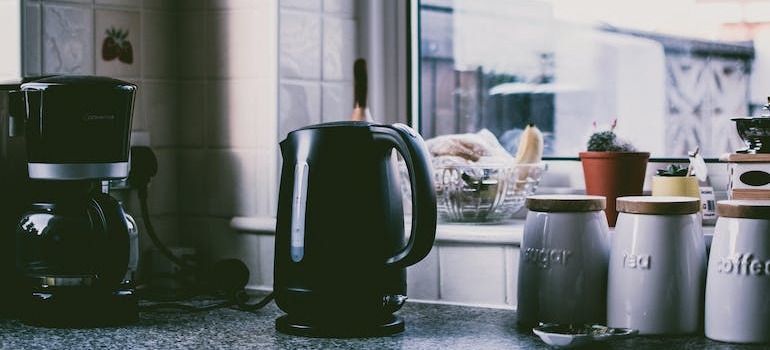
The pantry is one of the easiest places to lose control of after a move. Items get stuffed in, shelves get overcrowded, and soon you’re buying things you already own. That’s why it’s smart to organize this space right away. Start by grouping items. Keep dry goods like pasta, rice, and flour together. Place canned food in rows so you can see the labels. Use separate spots for snacks, breakfast items, and baking supplies. Clear containers help a lot. You can see exactly what’s inside, and they keep bugs out. Label each container with what’s inside and the expiration date. It saves time when cooking and grocery shopping.
Put tall items like cereal boxes or cooking oil in the back and smaller ones in front. That way nothing gets buried. If your shelves are deep, use bins or baskets. You can pull them out easily and avoid digging around. If you’re using your pantry for the first time after a big move, chances are it’s packed with a mix of old and new items. Staying organized early helps you avoid food waste. And if you followed a checklist or chose to use a proper packing guide, you’re likely already ahead of the game when it comes to sorting everything efficiently.
Setting up storage correctly plays a big role as you set up your kitchen after a move. When you open your pantry and know exactly where things are, cooking gets easier. Plus, you avoid the frustration of rebuying something that’s already hiding in the back. You don’t need fancy containers—just simple categories, clean bins, and a clear idea of what you use most.
Set Up the Fridge and Freezer
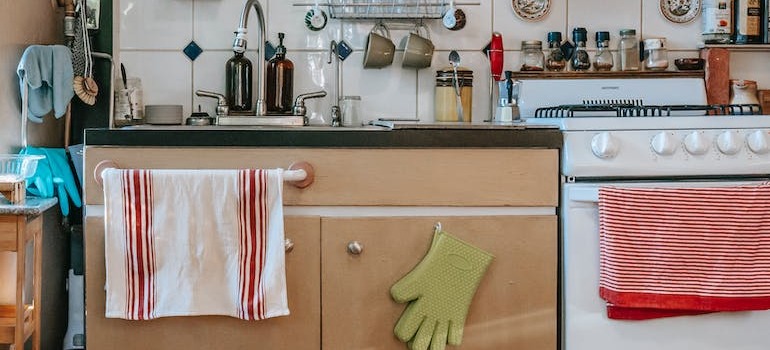
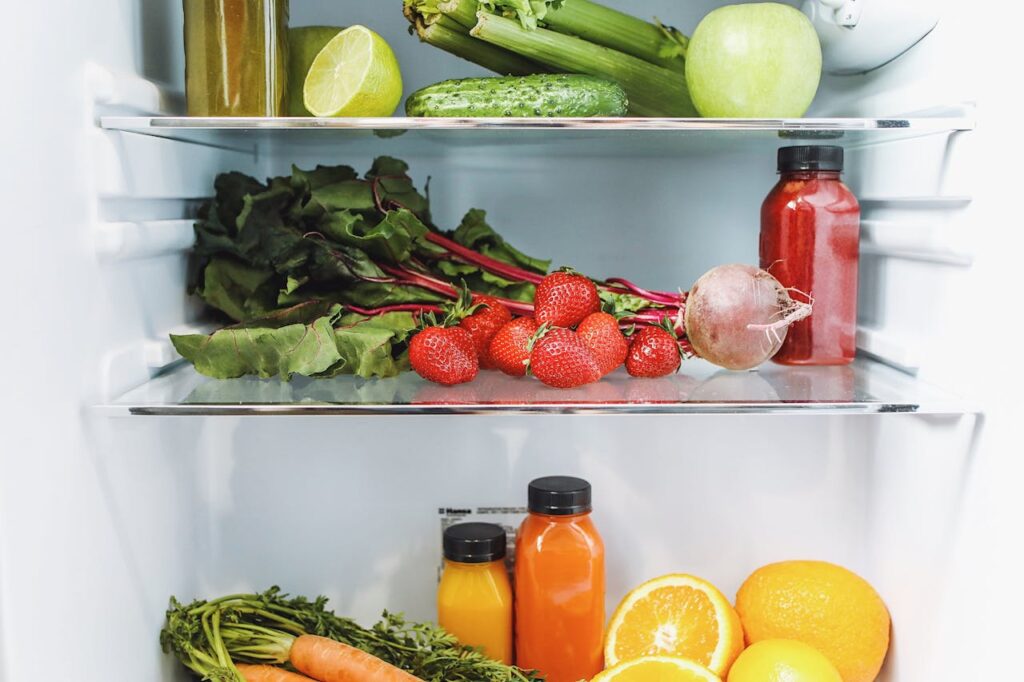
Your fridge and freezer should be among the first things you organize when you set up your kitchen after a move. A clean, well-arranged fridge helps you find what you need fast and keeps food from going bad too soon. Start by wiping everything down. Even if it looks clean, it may still have dust or leftover smells. Remove the shelves and drawers if possible. Wash them with warm soapy water, then dry completely before putting them back. Use the top shelves for leftovers or ready-to-eat foods. Middle shelves are best for dairy—milk, yogurt, cheese. Place raw meat on the bottom shelf in a container to catch leaks and avoid contamination. Keep fruits and vegetables in separate drawers to help them stay fresh longer.
The door is the warmest part of the fridge. Use it for condiments, juices, or items that don’t spoil quickly. In the freezer, store meats, vegetables, and frozen meals in their own sections. Use bins or labeled bags to keep things organized. Lay items flat to save space and make stacking easier. Check your settings. Your fridge temperature should be below 40°F, and the freezer should be at 0°F. Too warm, and food can spoil. Too cold, and you waste energy or risk freezer burn.
This process is especially helpful if you’ve just moved from out of state. People relocating from Louisiana often mention how different storage needs can be depending on climate and available kitchen space. With help from long distance moving companies Louisiana, the heavy lifting is handled, so you can focus on organizing the important spaces in your home. A little effort now prevents waste and saves time later. A clean and organized fridge helps you cook better, shop smarter, and waste less food.
Label, Rearrange, and Adjust Over Time
No kitchen setup is perfect on the first try. Once you start cooking regularly, you’ll notice what works and what doesn’t. That’s why it’s important to label, rearrange, and adjust as needed. Flexibility makes the difference between a kitchen that’s functional and one that’s frustrating. The first thing you should do is to label everything. If you’ve transferred dry goods into containers, label everything clearly. Do the same for bins in your fridge or pantry. It saves time and helps everyone in the house find things without asking.
Next, pay attention to how you move through the kitchen during your first few weeks. Are your prep tools too far from the cutting board? Is your coffee setup convenient? Small annoyances add up. Don’t hesitate to move things around. It’s normal to shift your setup several times in the first month. What seems like a good idea on day one might turn out to be awkward or inefficient. Stay open to change. This is especially true if you’ve made a major move, such as relocating from out of state. People coming from Wyoming often deal with big adjustments in kitchen size or layout. Working with Wyoming cross country moving companies can ease the transition by handling transport, giving you time to focus on how to set up your kitchen after a move.
Keep refining your system. You might add more labels, buy a few new bins, or move appliances. That’s all part of the process. The goal isn’t to have a perfect-looking kitchen—it’s to have one that works for your daily habits. A kitchen that supports how you cook, clean, and store things will always feel better than one that’s just tidy for photos. Start simple, stay flexible, and adjust until everything fits your routine.
Final Tips and Common Mistakes to Avoid If You Want to Set Up Your Kitchen After a Move Perfectly
Here are a few tips to make the process easier—and a few traps to avoid. If you don’t have enough time to do all of this on your own, hiring a professional organizer to help you after the move is a good idea, and it will save your nerves.
Practical Tips to Make Your Kitchen Setup Work Every Day
When you set up a new kitchen, focusing on function before appearance saves time and prevents stress. Start by grouping items based on how you use them. Don’t sort them by size or shape—that just creates confusion. For example, keep your cooking tools near the stove and prep tools near your cutting area. This setup makes daily routines faster and easier. Always store things where you use them. Plates near the dishwasher, trash bags under the sink, spices near the stove. Small changes like this make a big difference in how your kitchen works day to day.

Keep your counters as clear as possible. Limit what stays out to only what you use daily. Everything else should have a home behind a door or in a drawer. This cuts clutter and gives you more space to work. Use bins, shelf risers, and drawer dividers to make the most of your space. You don’t need fancy tools—just smart ones. Finally, don’t treat your first setup as final. Come back after a few weeks and make changes. That’s how a good system becomes a great one. If you’re still unpacking, be sure to follow helpful moving tips to stay organized during the whole process. It all adds up to a kitchen that works well for you.
Common Kitchen Setup Mistakes to Avoid After a Move
Avoid the urge to unpack everything at once. It may seem productive, but it often leads to clutter and confusion. Instead, focus on unpacking in stages. Start with what you use daily, then move to less-used items later. Don’t fall into the habit of keeping things “just in case” if you know you won’t use them. Extra items take up space and make your kitchen harder to manage. Filling every cabinet without a plan creates more problems than it solves. Before placing anything, think about how and where you cook. Ignoring your daily routines will only make the space harder to use. Place items where they make sense—not where they happen to fit.
Avoid hiding frequently used tools in hard-to-reach spots. Keep your go-to items front and center. You’ll save time and reduce frustration during busy moments. Most of all, don’t rush the setup. It’s normal if it takes a few days—or even weeks—to figure out the right layout. A useful kitchen takes shape slowly. And once the boxes are empty, don’t let packing supplies pile up. Recycle or dispose of moving materials as you go to keep your space clean and clutter-free. One step at a time works best.
Keep It Simple, Keep It Functional!
When you set up your kitchen after a move, the goal isn’t perfection—it’s ease. Start with the basics. Clean first, unpack essentials, and build zones around your daily routine. Keep your counters clear, use tools that help you stay organized, and adjust as needed. It’s okay if the setup takes time. A kitchen that works for you won’t come from rushing. Focus on simple steps and make changes based on how you cook and live. Label things. Store what you need within reach. Let the rest go. With patience and a plan, you’ll turn any kitchen into a space that supports your everyday life!