



Going green in your storage unit signals a smarter way to store and spend. A cleaner system cuts waste, saves cash, and keeps items safer. The goal is simple: create order that lasts and habits that feel easy. Small, steady choices add up fast inside a rented space over many months. Good planning shapes layout, containers, and how often you visit. Clear methods replace clutter and confusion. Health, budget, and time all benefit from that clarity. Facilities improve, too, when customers ask for better standards. Verified Movers adds context and helps set expectations. Start with a mindset shift, then let routines follow. Sustainability becomes second nature, not a marketing slogan!
Why Should You Be Going Green in Your Storage Unit?
There are several reasons why you should be going green in your storage unit. Some of the include:

- Going green in your storage unit will help remedy our planet and enhance its health in the long run. The biggest issue that our planet is facing at the moment comes from deeds done by humans. We need to take action and protect it from further devastation. By going green in your storage unit, you will play a small role in this epic journey. If everyone does their part, we will get to live in a healthier environment.
- Climate change is real, no doubt about it. More rainfall and more snow are the true evidence of this. As the planet gets hotter, more water evaporates into the atmosphere which means it needs to come back down. Therefore, no matter what skeptics tell you, use your own brain and go green!
- Save money by going green in your storage unit. Equip your storage unit in such a way that you use as little energy as possible. If you do this, your monthly bills will be lower. Lower bills mean more profit. What would you know, maybe you can lower your operating expenditures so much that you may lower the rents in your storage units. The lower the rent, the higher the competitiveness.
Choose an Eco-Friendly Facility
There are many storage options to choose from, but choosing an eco-friendly storage facility sets the tone for responsible storage habits. The best facilities use renewable energy sources such as solar panels and energy-efficient LED lighting to reduce overall power consumption. They maintain insulation that keeps temperature steady without constant heating or cooling, lowering energy waste. Many newer facilities also install motion sensors so lights turn on only when someone enters, which helps conserve electricity.
A responsible provider also manages water use carefully and recycles materials during maintenance or renovation projects. Ask about their recycling policies, paperless billing options, and partnerships with local sustainability programs. Facilities that promote carpooling, bike racks, or electric vehicle charging stations further support greener living. Their location also matters—choosing one near your home or workplace helps you cut fuel emissions from repeated trips. Look for certifications or statements about environmental initiatives on their website or in their office.
Companies that invest in sustainable infrastructure and innovative storage solutions often maintain cleaner, safer, and more modern environments overall. When you choose such a facility, you don’t just store your belongings—you take part in a larger effort to lower environmental impact. Every small decision adds up, and supporting eco-minded businesses encourages others to adopt similar practices. A greener storage provider benefits both the planet and your budget, since energy-efficient operations often translate into better temperature control and long-term cost savings. Making this conscious choice aligns your storage needs with a future that values conservation and responsibility without sacrificing convenience or security.

Declutter Before You Store
Decluttering before you store saves money for your moving budget, space, and energy. It also makes the storage process cleaner and easier to manage. Begin by sorting your belongings into categories: keep, donate, recycle, or discard. This simple system helps you see what truly matters and prevents you from paying to store things you no longer use. Go through each item with purpose—ask yourself when you last used it and if it still serves a function in your life. Donating items in good condition extends their life and supports local charities, while recycling prevents waste from ending up in landfills.
Once you’ve narrowed everything down, follow clear packing guidelines to prepare what remains for storage. Group items by type or use, and pack heavier objects at the bottom to prevent crushing delicate ones. Label boxes clearly so you can find things later without unnecessary digging. Use reusable containers instead of cardboard when possible, and fill every inch of available space to reduce the number of boxes you need.
As you declutter, remember that minimalism helps not only your space but also your peace of mind. You create a more organized environment where every stored item has a purpose. The process might feel slow at first, but the payoff comes when you open your storage unit months later and see order instead of clutter. Every minute spent sorting now saves hours of confusion later. Decluttering turns storage into a thoughtful decision rather than a quick fix, allowing your unit to serve its real purpose—protecting what truly adds value to your life.

Use Sustainable Packing Materials
Using sustainable packing materials is one of the easiest ways to reduce waste and protect the environment while organizing your storage unit. Start with the basics—avoid single-use plastics like bubble wrap and packing peanuts made from polystyrene. Instead, choose biodegradable or recycled alternatives such as paper-based wrap, corrugated inserts, or compostable packing peanuts. Old blankets, towels, or clothing can also replace traditional padding and provide extra protection without adding to landfill waste.
Whenever possible, reuse sturdy boxes and containers instead of buying new ones. Plastic bins may seem convenient, but cardboard made from recycled fibers or wooden crates often has a smaller environmental footprint. Try sourcing used boxes from local stores or online community exchanges instead of purchasing fresh packaging. For labeling, skip plastic tape and opt for paper-based alternatives that are recyclable and strong. You can even write directly on boxes using non-toxic markers to avoid using extra materials. Choose natural twine or hemp rope to tie bundles together—it’s durable and biodegradable.
Packing efficiently also matters. The tighter you pack items, the fewer materials you’ll need overall. Every bit of saved plastic or paper adds up when you’re organizing several boxes. Before sealing everything, double-check that your materials can be recycled or reused later so nothing goes to waste after unpacking. Sustainable packing doesn’t just help the planet—it saves you money and space while promoting more mindful storage habits. Each eco-friendly choice reflects respect for your belongings and for the environment that sustains them.

Organize Smartly to Maximize Space
Organizing your belongings smartly helps you use every inch of your unit while staying efficient and environmentally conscious. Good organization reduces the need for larger spaces, cutting both costs and energy use. Start by creating a layout plan before you move anything inside. Keep heavier boxes on the bottom and lighter ones on top to prevent damage and improve stability. Use vertical space by stacking items securely and adding shelves when possible. Clear containers help you see what’s inside without opening each one, saving time and keeping the layout intact. Label every box clearly on multiple sides so you can find what you need quickly. Place frequently used items near the front for easy access, and store rarely used belongings in the back. Disassemble large furniture to save space and store it flat whenever you can.
Think about airflow, too—leave narrow gaps between stacks to prevent moisture in your storage unit and to allow safe movement inside the unit. Group items by category, such as home décor, clothing, or tools, to make retrieval more efficient later. When planning how to arrange everything, choose sturdy reusable containers instead of disposable materials to support going green in your storage unit efforts. Reusing boxes and avoiding excess packing materials minimize waste and help keep your storage area tidy. A well-organized layout not only maximizes space but also extends the life of your stored items. Smart organization turns your storage unit into a clean, accessible, and sustainable extension of your home, reducing stress while keeping your environmental footprint smaller.

Be Mindful of Climate Control
Climate control can make a big difference in how well your belongings stay protected, but it also affects energy use. Being mindful of this balance helps you protect your items while keeping sustainability in mind. Start by evaluating what you plan to store. Furniture, electronics, documents, and artwork benefit from stable temperature and humidity, while most everyday items can handle normal conditions.
Don’t rent a climate-controlled unit automatically—decide if it’s truly needed. When you must use one, choose facilities that rely on energy-efficient HVAC systems or renewable energy sources. Units with good insulation and sealed doors maintain conditions without constant power use. If your storage items can handle slight temperature changes, opt for a standard unit to reduce energy consumption. Store sensitive items in airtight, moisture-resistant containers to prevent mold and warping instead of relying only on climate systems. Use pallets or shelving to elevate boxes from the floor, which helps air circulate and prevents dampness.
When possible, visit your storage facility during cooler hours to check your items without forcing extra cooling cycles. A smaller unit filled efficiently also reduces the energy needed to maintain temperature. Combining mindful storage practices with eco-friendly materials aligns with the principles of going green in your storage unit, ensuring your choices protect both your belongings and the planet. Climate control is useful, but using it responsibly saves power, lowers costs, and reflects a conscious approach to long-term storage. The goal isn’t just comfort—it’s care, efficiency, and respect for environmental impact.
Reduce Your Visits
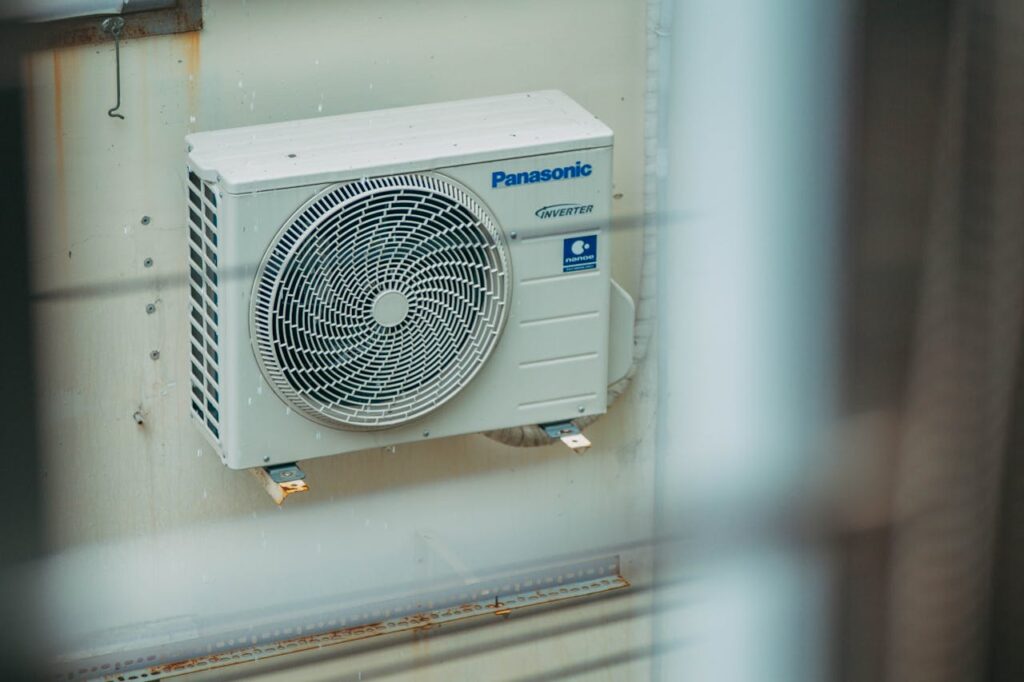
Reducing how often you visit your storage unit is an easy way to save both time and energy. Every trip you make burns fuel, adds wear to your vehicle, and contributes to unnecessary emissions. Instead of stopping by frequently, plan your visits carefully. Combine errands so you can handle multiple tasks in one trip. Keep a detailed inventory of what’s in your unit, either digitally or on paper, to avoid driving there just to check what you have. Pack and label boxes clearly before storing them, so when you do visit, you can find what you need quickly. Group similar items together to make retrieval efficient and prevent the need for constant reorganizing.
If your storage facility offers digital monitoring or management tools, use them to keep track of your unit remotely. For long-term storage, make sure everything is packed to withstand time and changing seasons, so you don’t feel the urge to check on it too often. Storing items you rarely need in the back and everyday essentials at home helps you avoid unnecessary trips. Staying organized before locking the door means fewer reasons to go back. The fewer times you visit, the smaller your carbon footprint becomes. Reducing travel also cuts costs, saves hours each month, and supports your goal. Mindful planning makes storage simpler, cleaner, and far more sustainable for the long term.
Share Storage Space
Sharing storage space is an effective and eco-friendly way to cut costs and reduce waste. Many people rent units that end up half empty, wasting both money and energy. Instead, consider teaming up with a friend, family member, or neighbor to share a single unit. Before signing an agreement, discuss what each person plans to store and how often you’ll need access. Dividing space fairly helps keep everything organized and avoids confusion later. Create clear zones or use shelving to separate items, and keep an inventory of what belongs to each person.
Sharing also encourages mindful storage habits since everyone must use the space efficiently. It promotes responsible consumption and helps you think carefully about what truly needs to be kept. When sharing, focus on picking the right-sized storage unit to suit everyone’s needs without overpaying for unused space. A smaller, well-packed unit uses less energy for lighting and climate control, contributing to a lower environmental footprint. Shared storage also builds community—you collaborate, coordinate schedules, and even share packing materials, reducing overall consumption. This simple approach supports sustainability while giving everyone the storage they need at a lower cost. Thoughtful sharing turns an ordinary unit into a cooperative space that saves resources, fosters accountability, and supports a greener way of living.
Keep an Inventory and Go Paperless
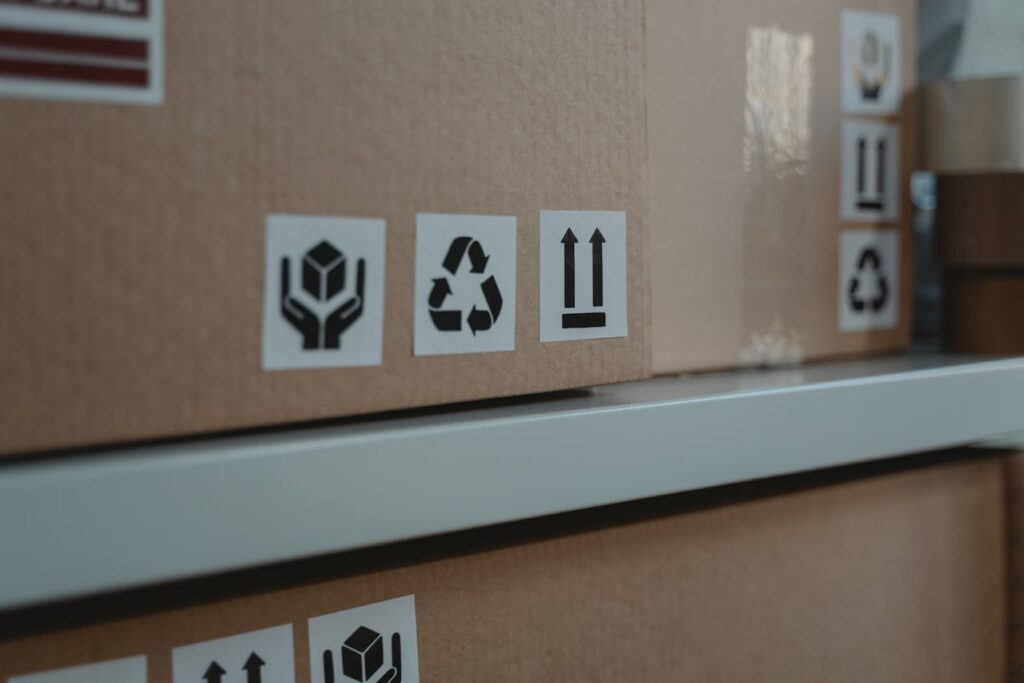
Keeping an inventory and going paperless simplifies storage management while supporting an eco-friendly lifestyle. Start by creating a digital list of everything in your unit. Use a spreadsheet, mobile app, or cloud document so you can access it anytime. Include categories like item type, quantity, and location within the unit to make retrieval easier. Take photos of valuable items and link them to your digital list for quick reference. This approach removes the need for printed labels, binders, and paperwork that can get lost or damaged. Label boxes with simple codes that match your digital inventory, so you can find what you need without wasting time or energy.
Updating your list every time you add or remove something helps you stay organized and reduces unnecessary trips to the unit. Going paperless also supports sustainability—less paper means fewer trees cut down and less waste generated. Choose digital receipts and billing if your storage provider offers them, and store all documentation online instead of in physical folders. This practice aligns perfectly with going green in your storage unit, combining technology with smart organization. A paperless system not only helps the planet but also keeps your storage process clean, efficient, and stress-free. Over time, it becomes second nature to track everything digitally, saving both space and effort while helping you stay committed to environmentally responsible habits.

Review Your Storage Needs Regularly
Reviewing your storage needs regularly helps you stay organized and avoid wasting money or space. Many people rent a unit, fill it once, and then forget what’s inside for years. Over time, this leads to paying for items that no longer serve a purpose. Instead, schedule a review every few months to evaluate what you’re storing. Open each box, inspect your belongings, and decide whether to keep, donate, recycle, or sell. This habit keeps your unit efficient and prevents clutter from building up again.
If you find that your storage load has decreased, consider moving to a smaller space—downsizing saves both money and energy. On the other hand, if your collection has grown, reorganize to make better use of the existing unit before upgrading. Regular reviews also help catch problems early, such as moisture buildup, pests, or damaged packaging. Updating your inventory list after each visit makes it easier to keep track of what you have and what might need replacing. This process aligns with the mindset of going green in your storage unit, since it promotes conscious consumption and discourages unnecessary accumulation. Each review gives you a chance to refresh your approach and maintain only what truly adds value to your life. Over time, it becomes easier to let go of items you no longer need and to store more responsibly. Consistent evaluation ensures your storage stays purposeful, sustainable, and in line with your lifestyle.
Set a Green Mindset and Habits
Setting a green mindset starts with awareness and consistency. Every decision you make, no matter how small, can reduce environmental impact and inspire others to do the same. Begin by viewing your storage space as part of a larger effort to live sustainably. Reuse what you already have instead of buying new boxes or containers. When you purchase supplies, choose recycled or biodegradable materials. Turn organization into a mindful activity—store only what adds real value to your life. Being intentional about what stays and what goes prevents clutter and encourages thoughtful consumption. Apply this same thinking outside your storage unit. Use energy wisely at home, recycle properly, and support local businesses that share eco-conscious values. Sustainable habits don’t form overnight; they develop through repetition and purpose.
In places like Arkansas, for example, where community and resourcefulness often go hand in hand, adopting greener habits fits naturally into everyday life. People there understand how conserving energy, minimizing waste, and caring for the environment can improve the quality of living for everyone. When you plan a move or reorganize your belongings, working with experienced movers in Arkansas can also support this mindset. Many professional movers today use fuel-efficient vehicles, eco-friendly materials, and recycling programs to reduce their footprint. Choosing services that reflect your environmental priorities strengthens your commitment to sustainability. Setting a green mindset isn’t just about one space or one task—it’s about living consciously, making choices that last, and respecting the environment in every part of your routine.

What to Ask Your Storage Provider?
If you are considering an eco-friendly move and need storage, before renting a storage unit, it’s worth asking specific questions to make sure the facility supports your eco-friendly values. These questions reveal how responsibly the company operates and whether it aligns with your goal of sustainable storage. Here are key points to cover when speaking with your provider:
- What kind of lighting and power does the facility use? Look for energy-efficient LED lighting or solar-powered systems that reduce energy waste. Many people who move to Arizona or California look for units with solar panels.
- Do you have recycling bins or programs for packing materials? Facilities that promote recycling show real commitment to reducing landfill waste.
- Are lease documents and bills paperless? Paperless management helps minimize paper waste and keeps your records organized online.
- Is the unit insulated or climate-controlled? If yes, what are the energy costs? Efficient insulation and responsible temperature regulation save both energy and money.
- Is the facility located close to major transport routes? A nearby location helps cut down on fuel use and time spent commuting.
- Can I choose the size easily and adjust later? Flexibility to resize your unit means you only use the space you truly need.
These questions help you identify responsible companies that value sustainability and transparency. Choosing a facility that embraces energy efficiency, waste reduction, and responsible operations ensures your storage habits reflect your green lifestyle. Thoughtful communication at the start can lead to smarter, cleaner, and more environmentally conscious storage decisions.

There Is No Going Green in Your Storage Unit Without Recycling!
You can recycle many materials in your storage unit. Here are some common items that can be recycled:
- Paper and Cardboard: This includes items such as cardboard boxes, paper bags, newspapers, magazines, and office paper. Make sure to break down and flatten any boxes to save space.
- Plastic: Many plastic items can be recycled, such as plastic bottles, containers, and bags. Make sure to check the recycling symbol on the plastic to confirm that it’s recyclable.
- Glass: Glass bottles and jars can be recycled. Be sure to remove any lids or caps and rinse out the container before recycling.
- Metal: Aluminum cans, steel cans, and other metal containers can also be recycled. Make sure to rinse out any food or drink residue before recycling.
- Electronics: As we’ve already mentioned, many electronics can be recycled, such as computers, laptops, printers, and cell phones. Check with your storage unit facility to see if they have a program for electronic recycling or if they can direct you to a nearby electronics recycling center.

Even If It Seems Like a Small Step, Going Green in Your Storage Unit Is Important!
Adopting greener storage habits supports both personal organization and environmental care. Every action, from reusing materials to choosing efficient lighting, contributes to lasting change. Selecting facilities that value energy efficiency and recycling promotes broader sustainable development and encourages responsible business practices. When you focus on going green in your storage unit, you reduce waste, cut emissions, and protect valuable resources. Eco-conscious storage isn’t just about saving space—it’s about creating long-term habits that support a healthier planet. Each thoughtful choice brings us closer to a cleaner, more mindful future where organization and sustainability work hand in hand.