
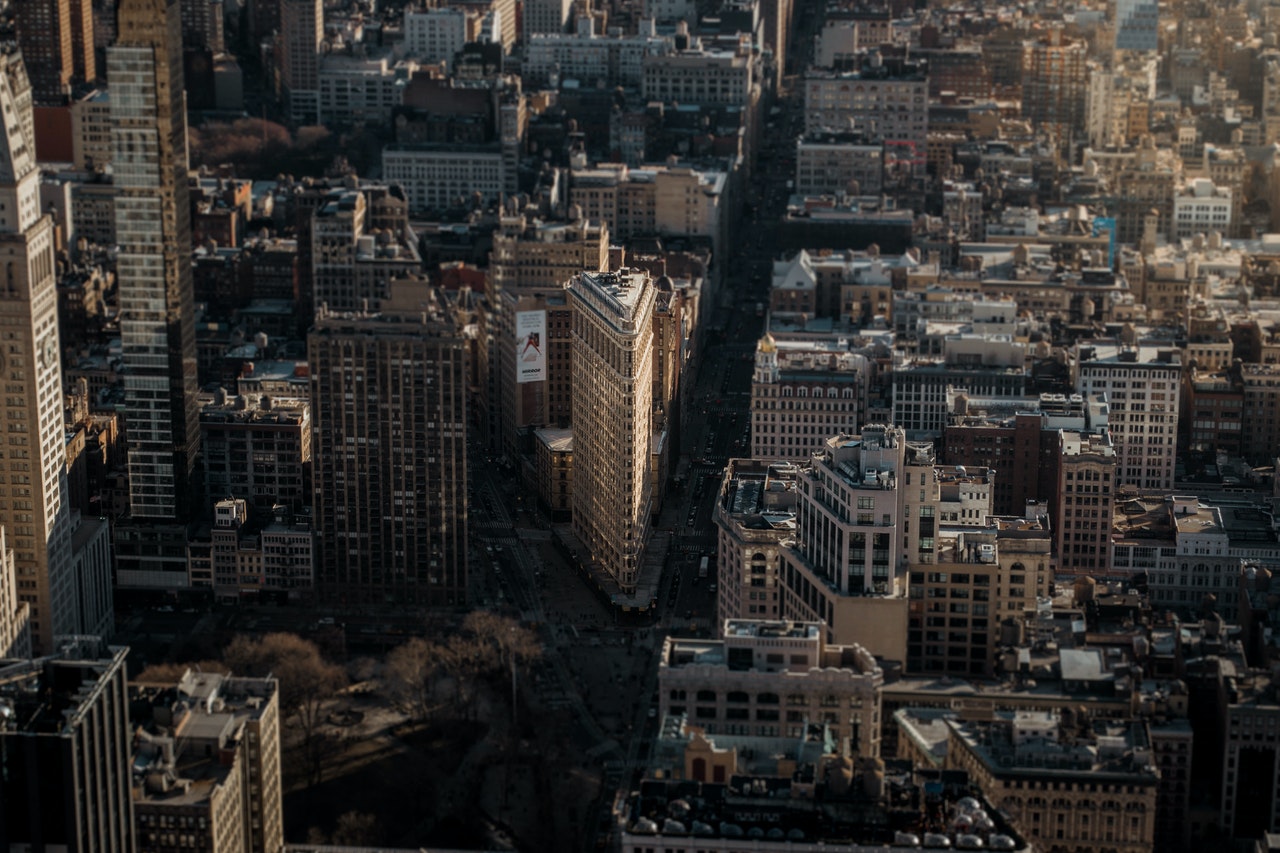


Getting to know NYC neighborhoods takes more than a quick visit. Each area has its own rhythm, culture, and way of life. From the energy of Manhattan to the quiet corners of Staten Island, New York City offers something different on every block. Some neighborhoods move fast, others are more relaxed—but all carry stories that shape the city’s identity. Whether you’re planning a move or just curious about the city’s layout, understanding these areas can help you feel more connected. People from all backgrounds have made these neighborhoods what they are today. If you’re thinking about relocating, Verified Movers is a great place to start. Their reviews and listings can guide you through your search with real insight from past customers.
How Neighborhoods Change Over Time
Wondering is moving to NYC all that it promises to be? Getting to know NYC neighborhoods will show you that these neighborhoods are always changing, though not at the same pace. In some areas, you might see new buildings rising almost overnight, followed by higher rents and different kinds of shops. Local businesses that have been around for decades sometimes close to make room for chain stores or trendy spots. In other neighborhoods, the pace of change is slower. The buildings, shops, and community events may stay the same for years, keeping the area’s familiar rhythm. Change brings both opportunity and tension. It can mean better housing options and new jobs. But it can also price out long-time residents who helped shape the neighborhood’s identity.

In places like Bushwick, Greenpoint, or Harlem, it’s common to see a new café open beside a long-standing deli or community center. These shifts often spark debate. Some people embrace new energy and investment while others feel like important parts of their home are being replaced. These changes don’t just affect what’s visible on the street. They influence who lives there, who feels welcome, and how the neighborhood is experienced on a daily basis. Before you find top movers in NYC to relocate you safely, pay attention to these changes.
Getting Local Advice Makes a Big Difference
Online listings and reviews can give you a general idea about a neighborhood, but they rarely tell the full story. If you’re thinking about moving to New York City with state to state movers NYC or even just spending more time in a new area, talking to people who live there is one of the smartest things you can do. Locals often know details that don’t show up on websites. They can tell you which streets are noisy at night, which blocks feel safer, or where to find the best affordable food nearby. Some may mention which buildings have maintenance issues or which parks get too crowded on weekends. These are the things that shape your daily life.
Visit neighborhoods more than once, and go at different times of day. Morning rush hour feels different than a quiet afternoon or a busy weekend evening. Take time to walk around. Stop at a local bakery or corner store and strike up a conversation. People often enjoy sharing their perspective. Real voices, casual advice, and small observations offer a much clearer picture than anything you’ll find online.

Safety and Community Feel Differ by Area
If you are moving to New York City, safety is something you should think about. Safety and community feel vary a lot from one New York City neighborhood to another. Some areas are busy and well-lit at night, with people always walking around, while others are quieter with fewer people on the streets. These differences affect how safe a place feels, even if crime rates are similar. Many people say that safety isn’t just about numbers—it’s about the everyday experience. Streets with shops, open parks, and regular foot traffic often feel more secure than empty blocks with little activity. A strong community presence makes a big difference.
In some neighborhoods, people know their neighbors by name. They look out for each other, share news, and notice when something seems off. You might find neighborhood watch groups, regular block meetings, or local events that help keep people informed and connected. These things create a stronger sense of trust. You feel it walking home late, grabbing coffee in the morning, or talking with someone on your stoop. Even something small, like a familiar face at the corner store, can make a place feel more welcoming. Feeling safe isn’t only about crime—it’s about connection, visibility, and how well people care for the space they share.
The Role of Culture in Each Neighborhood
Culture in New York City is something you experience just by walking down the street. It isn’t limited to galleries or museums—it’s part of daily life. Every neighborhood offers a different atmosphere, shaped by the people who live there. Walk through Chinatown and you’ll hear Cantonese spoken outside seafood markets. In Little Italy, restaurants still serve family recipes passed down for generations. Jackson Heights is filled with signs in Nepali, Bengali, and Spanish, while Washington Heights carries the rhythms of Dominican music from open windows. These aren’t tourist attractions—they’re homes, communities, and living histories.
Many neighborhoods have strong immigrant roots that stretch back decades. Families who moved here brought their languages, customs, and businesses with them. Over time, they helped build the identity of the areas they settled in. You’ll find bakeries with recipes from the old country, grocery stores that import spices from overseas, and murals that celebrate both struggle and pride. Each street corner tells a different story, shaped by the people who have lived and worked there for years. These cultural details are the reason neighborhoods feel different from one another. They define what it means to live in that space and shape how others experience it too. If you decide to move here after getting to know NYC neighborhoods, long distance moving companies New York City are at your service!
How Neighborhoods Shape Daily Routines?
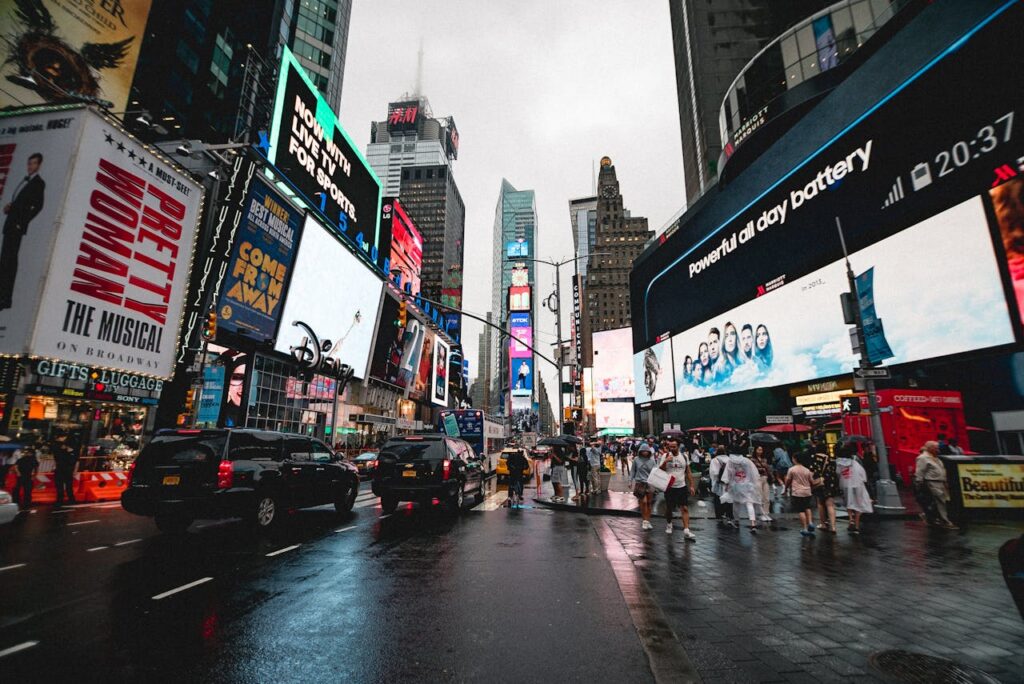
Getting to know NYC neighborhoods is one of the things you must do after moving to NYC. It means understanding how daily life looks different depending on where you live. In Manhattan, many people walk to work or take a short subway ride. They often live close to coffee shops, gyms, and grocery stores, which makes daily errands quicker. In Queens or Staten Island, things move at a different pace. People might start their mornings earlier to catch a longer train or bus into the city. These areas often feel more relaxed after dark, while parts of Manhattan or Brooklyn stay busy well into the night. Your weekend plans also depend on where you live. Someone in the Bronx might visit a local street fair or community market. A Brooklyn resident could spend the day at Prospect Park or meet friends at a nearby café.
In smaller neighborhoods, neighbors know each other better, and social plans may involve barbecues or small gatherings. In busier parts of the city, people might eat out more and socialize in public places. These little details—how people commute, where they shop, how they relax—are shaped by their neighborhood. Getting to know NYC neighborhoods helps you understand how daily routines form, how people connect, and what daily life in the city actually feels like.
The Most Popular NYC Neighborhoods
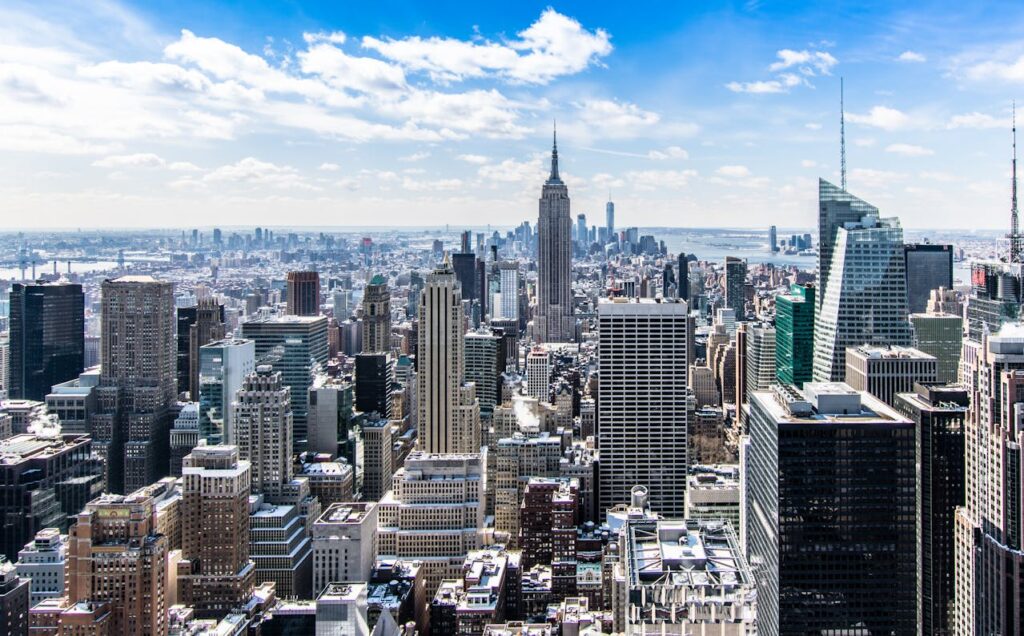
Here are six of the most popular NYC neighborhoods:
- Upper West Side (Manhattan) – Calm, residential, and close to Central Park. Known for its family-friendly vibe and classic buildings.
- SoHo (Manhattan) – A major shopping destination with cobblestone streets, art galleries, and stylish boutiques.
- Williamsburg (Brooklyn) – Trendy and creative, packed with cafes, music venues, and converted loft spaces.
- Park Slope (Brooklyn) – Popular with families and young professionals. Offers a mix of brownstones, local shops, and parks.
- Astoria (Queens) – Famous for its food scene, especially Greek and Mediterranean cuisine. Laid-back but lively.
- Long Island City (Queens) – Modern and growing fast, with high-rises, art spaces, and waterfront parks with skyline views.
Upper West Side (Manhattan)
The Upper West Side is one of the most well-known neighborhoods in Manhattan. It stretches from Central Park West to the Hudson River and is often chosen for its calm atmosphere and reliable services. Many families choose to live here due to the excellent public schools, cultural centers, and nearby green space.
Apartment buildings dominate the area, but there are also historic brownstones on side streets. The neighborhood is home to landmarks like the American Museum of Natural History and Lincoln Center. Daily life here feels steady and organized. The median home price is about $1.3 million, and rent for a two-bedroom averages around $2,540 per month. The cost of living is high, but residents enjoy quiet streets, solid infrastructure, and access to parks and transit. Getting to know NYC neighborhoods like the Upper West Side helps people understand how certain areas balance city life with personal space. Families and long-time residents often stay in the same buildings for years, creating a close-knit feel in a city known for change.
SoHo (Manhattan)
SoHo stands out as one of the most stylish and expensive areas in New York City, which is one of the most expensive cities in the US. The name stands for “South of Houston Street,” and it’s famous for its cast-iron buildings, wide sidewalks, and high-end shopping. Art galleries and luxury fashion stores attract both tourists and locals. You’ll often see photographers, models, and influencers walking the streets. Living here comes at a high price. The median home price is around $3.9 million, with rent for a one-bedroom reaching over $5,200 per month. A two-bedroom apartment can easily exceed $7,000. Most buildings have loft-style apartments with open layouts and large windows.
This neighborhood isn’t just a shopping district—it’s also a residential area with long-term tenants and working artists. The neighborhood is well-connected to the subway, but many residents prefer to walk or bike. It’s common to see people eating at outdoor cafés or attending gallery openings. For those who can afford it, SoHo offers a mix of creativity, convenience, and style in the middle of downtown Manhattan.
Williamsburg (Brooklyn)
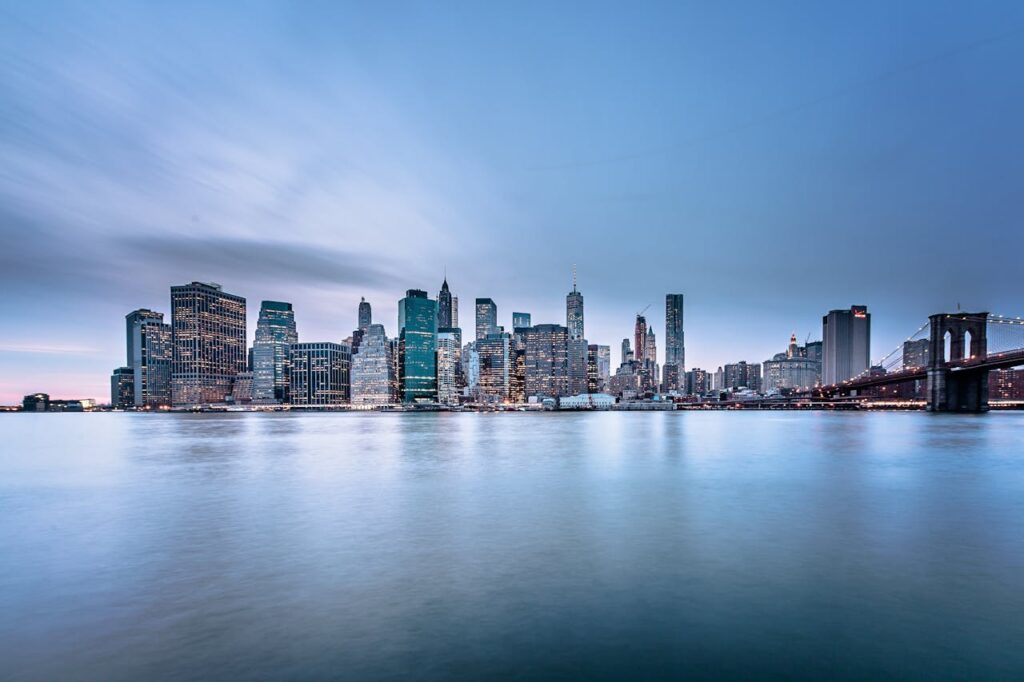
Williamsburg has become one of Brooklyn’s most popular neighborhoods, especially for younger adults, artists, and entrepreneurs. The area sits along the East River and offers some of the best views of Manhattan’s skyline. Once filled with warehouses and factories, Williamsburg has seen rapid development over the past twenty years. Many of the old buildings have been turned into lofts, coffee shops, and creative spaces. Today, the neighborhood is filled with live music venues, rooftop bars, and small restaurants. It’s also home to flea markets, art studios, and independent clothing stores.
The median home price is around $1.63 million, and rent can range from $2,700 to over $4,000 for a one-bedroom. These prices reflect the high demand. Getting to know NYC neighborhoods like Williamsburg gives you a clear picture of how fast an area can change. Still, the neighborhood maintains a creative feel, thanks to its active community. The L train connects it to Manhattan in under 15 minutes, making it a top choice for people who want Brooklyn comfort with Manhattan access.
Park Slope (Brooklyn)
Park Slope is another Brooklyn neighborhood that draws in people looking for a mix of city and community life. It borders Prospect Park and offers wide sidewalks, bookstores, playgrounds, and small shops. The area is known for good schools and family-friendly parks. Many residents are professionals who work in Manhattan but want a quieter place to live. Historic brownstones line the blocks, and there are many walk-up apartments with shared backyards.
The median listing price for homes is about $1.5 million, though some deals go for less. Renting is also pricey, with two-bedroom apartments commonly listed above $3,000. The area’s cost of living is about 182% above the national average. Still, people stay here because of the stability, the sense of safety, and the clean streets. The F and R trains make commuting to Manhattan easy.
Astoria (Queens)
Astoria, located in the northwestern part of Queens, is famous for its relaxed pace and strong sense of identity. It has long been a center for Greek culture, but now it also includes people from many other backgrounds. Walking through the neighborhood, you’ll pass by Greek bakeries, Brazilian cafés, Egyptian restaurants, and Eastern European grocery stores. This wide mix of cultures makes Astoria one of the most interesting parts of the city. It also helps keep housing prices more manageable.
The average home value is around $677,000, and the median listing price is about $900,000. Rent is lower than in Manhattan or Brooklyn, with many one-bedroom units listed between $2,000 and $2,500. Residents enjoy access to Astoria Park, which sits along the East River and offers sports fields, a public pool, and great sunset views. Many people who live here work in Manhattan but prefer Astoria’s quieter evenings and shorter buildings. The N and W trains get you into Midtown quickly. It’s a strong pick for people who want city access without Manhattan’s pressure.
Long Island City (Queens)
Long Island City, also known as LIC, sits just across the East River from Midtown Manhattan. Once filled with warehouses and factories, the area has turned into one of the fastest-growing parts of the city. New high-rises, luxury condos, and rental towers now define the skyline. LIC is also home to cultural spots like MoMA PS1 and several performance venues. It appeals to professionals who want to live near the city’s center but avoid the highest prices.
The median home price is about $985,000, though it has dropped recently due to market shifts. The average price per square foot is around $1,250. Renting a one-bedroom here can cost between $3,000 and $4,000, depending on the building. Residents enjoy modern amenities, riverfront parks, and excellent subway access. You can get to Midtown in under 10 minutes.

Getting to Know NYC Neighborhoods Has Never Been Easier!
Getting to know NYC neighborhoods takes time, but it’s worth the effort. Each area offers its own lifestyle, pace, and personality. From the quiet streets of Park Slope to the energy of SoHo, these neighborhoods show how much variety exists within one city. Where you live can shape how you spend your day, who you meet, and how connected you feel. Housing prices, culture, and daily routines all shift depending on the borough and block. If you’re planning to move or just curious, take time to explore in person. Getting to know these neighborhoods helps you make better choices and feel more at home in a city full of options!