
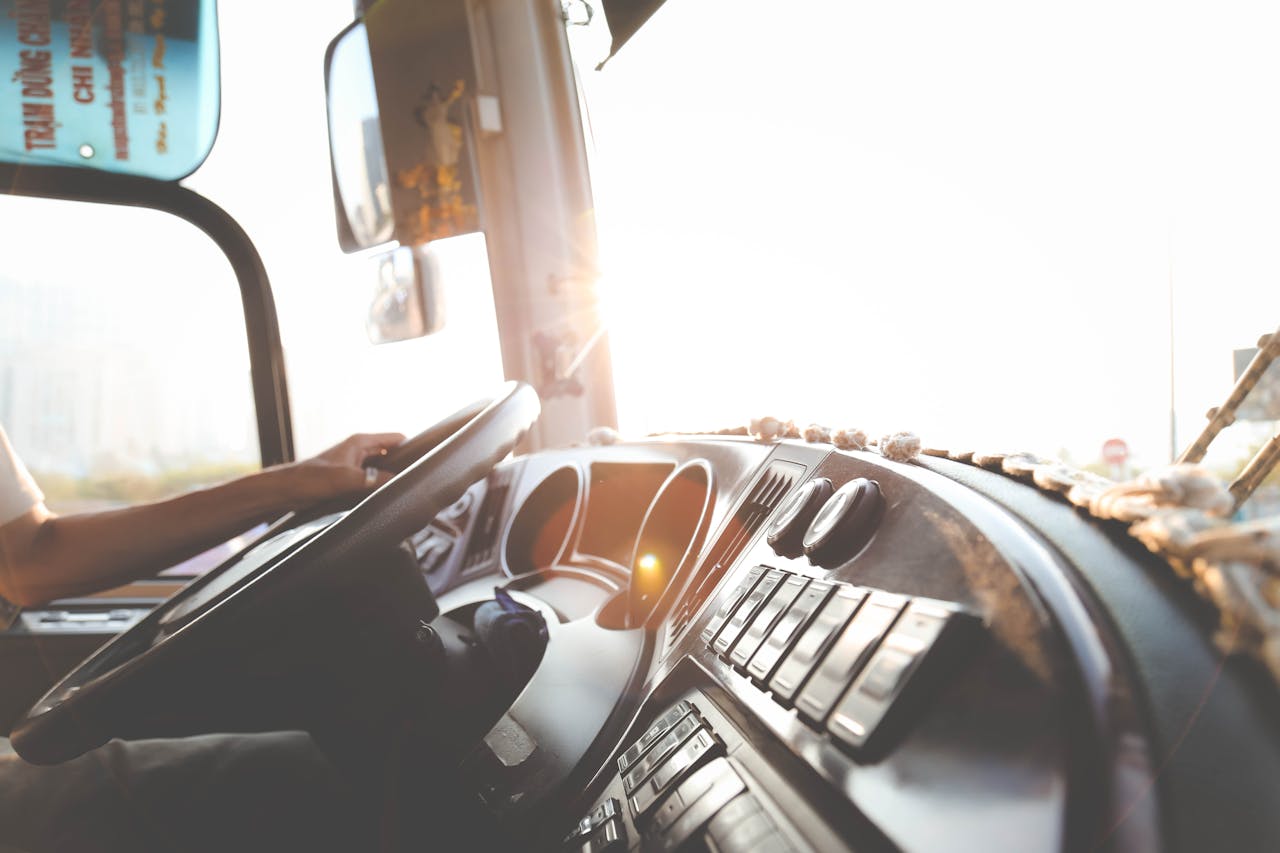


Moving companies have strict rules about what they can and cannot transport. Common items moving companies refuse to relocate include hazardous materials, perishables, plants, and valuable possessions. These restrictions help prevent accidents, legal issues, and damage to belongings. Some movers also avoid handling large, fragile, or high-risk items. Knowing what’s not allowed helps you plan better and avoid surprises on moving day. If you’re unsure about specific restrictions, Verified Movers can connect you with reliable professionals who follow industry regulations. Understanding these guidelines ensures an easier process and prevents last-minute issues during your move.
What Are Some of the Most Common Items Moving Companies Refuse to Relocate?
There aren’t any exceptions to the list of forbidden items in the moving truck. Whether you are moving locally or long-distance, the movers will still have the same rules when it comes to packing the truck. To put it simply, these items are potentially dangerous and/or there are regulations forbidding their entry into a new state.

The most common items moving companies refuse to relocate are:
- Hazardous Materials
- Perishable Food
- Plants
- Pets
- Valuables and Important Documents
- Firearms and Ammunition
- Medication and Medical Supplies
- Personal Electronics
- Alcohol
- Items with Strong Odors
- Large and Fragile Items
- Explosives and Flammable Items
- Automotive Parts and Tools
Even though some of your belongings can’t go with the movers, you are still more than welcome to move them in your own vehicle. However, you should still check the state regulations and make sure you stay safe during the drive. So, when you’re researching long-distance moving companies for your relocation, ask them to provide you with the list of prohibited items.
Hazardous Materials
Moving companies refuse to transport hazardous materials due to the risks involved. These substances can be flammable, explosive, or toxic, making them dangerous during transit. A small leak or exposure to heat can cause fires, explosions, or harmful fumes.
- Items such as gasoline, diesel, propane tanks, and aerosol cans fall into this category.
- Paints, paint thinners, pesticides, fertilizers, and cleaning supplies with harsh chemicals are also restricted.
- Batteries containing acid and oxygen tanks are considered too risky for moving trucks.
If you need to transport hazardous materials, check local waste facilities for safe disposal. Some items, like propane tanks and fuel, may need to be emptied before moving. If you must take them, use your own vehicle and follow safety guidelines. Keep them upright, away from direct sunlight, and in well-ventilated areas. Always check state regulations, as some hazardous materials have specific transportation laws. Proper handling of these substances reduces risks and ensures a safer moving process for everyone involved. If unsure, ask your moving company for a list of prohibited items before packing.

Perishable Food
Common items moving companies refuse to relocate include perishable food, as it spoils quickly and attracts pests. Moving trucks are not equipped to store frozen or refrigerated items, making it impossible to keep them fresh during transit. Meat, seafood, dairy products, and fresh fruits and vegetables can rot if left unrefrigerated for too long. Frozen meals and opened food containers also pose a risk, as leaks and spills can damage other belongings.
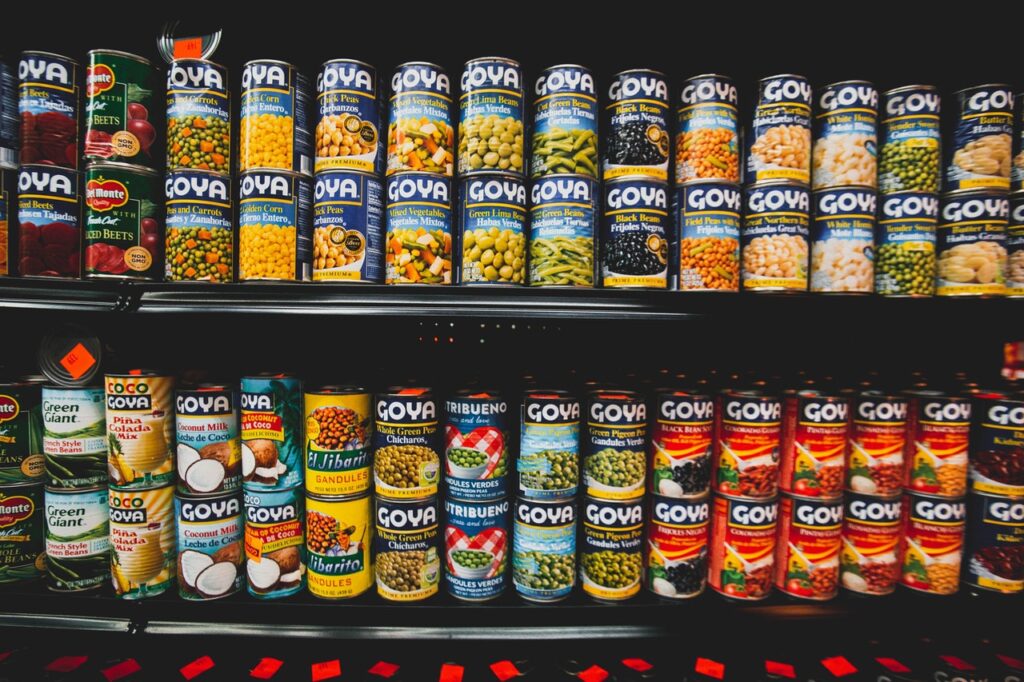
Most moving companies allow sealed, dry goods like canned food or pasta, but anything that requires temperature control is off-limits. To avoid wasting food, plan ahead by consuming perishables before moving day. If you have extra, consider donating unopened items to food banks or shelters. Many charities accept non-perishable goods and distribute them to families in need. If you must transport some food, use a personal cooler for short trips.
For long-distance moves, it’s best to restock once you arrive at your new home. Add this task to your moving checklist and have fun creating new recipes. Understanding these restrictions helps prevent unnecessary waste and ensures a cleaner, pest-free move. Always check with your moving company for specific policies on food transportation.
Plants
Plants are also among the most common items moving companies refuse to relocate. This is due to their fragility and the risks associated with transporting soil. Many states have strict agricultural regulations to prevent the spread of pests and diseases. Moving companies avoid transporting plants because soil can carry insects, bacteria, and fungi that might harm local ecosystems. Long-distance moves also put plants at risk of damage from temperature changes, lack of water, and restricted airflow.
While most movers won’t take them, there are exceptions. Some companies specialize in plant relocation, and local moves over short distances may allow transport under specific conditions. If you plan on moving a garden with you, the safest option is using your own vehicle. Water them before the move and keep them in an open, well-ventilated space to prevent overheating. Avoid placing them in the trunk, as poor airflow can cause wilting. If traveling long distances, research state regulations to ensure compliance. Taking these steps helps protect your plants and ensures they arrive safely at your new home without violating local laws or damaging their health.

Pets
Moving companies do not transport pets because they require special care, ventilation, and feeding. Moving trucks are not designed for live animals, making it unsafe to place them inside. Poor airflow, extreme temperatures, and lack of supervision create serious risks. To keep pets safe, consider using a pet transport service that specializes in relocation.
If possible, take them in your own vehicle and place them in a well-ventilated carrier. For long-distance moving with your pet, check airline policies and arrange for approved pet transport if needed. Always pack enough food, water, and comfort items like blankets or toys to help ease stress. Some hotels allow pets, so research pet-friendly accommodations if an overnight stop is necessary. Keeping your pet’s routine as normal as possible will help reduce anxiety during travel. If your pet is prone to stress, consult a veterinarian for advice on making the move easier. Planning ahead ensures a safer and more comfortable journey, making the adjustment to a new home easier for both you and your pet.

Valuables and Important Documents
Moving companies do not transport valuables or personal documents because they are irreplaceable and require extra security. Losing these items can lead to financial loss, identity theft, or legal issues. Items like cash, jewelry, family heirlooms, birth certificates, passports, and legal papers should always stay with you. Movers handle multiple shipments at once, increasing the risk of loss or misplacement. Even with careful packing, valuables can get damaged or stolen.
To keep your valuables safe, use a locked bag or a fireproof safe. A small, portable safe offers protection from fire and theft while keeping important items secure. If traveling long distances, carry essential documents in a separate folder for easy access. Store valuable jewelry in a case with padding to prevent damage. For extra security, consider insured shipping services for high-value items that cannot be carried. Always double-check that you have all critical documents before leaving your old home. Taking these precautions prevents unnecessary stress and ensures that your most important belongings remain safe throughout the move. Proper planning can help you avoid major setbacks.
Firearms and Ammunition
Most moving companies refuse to transport firearms and ammunition due to strict laws and safety concerns. Firearms require careful handling, and improper transport can lead to legal issues or accidents. Regulations vary by state, making it important to research the rules before moving. If you need to relocate firearms, the safest option is to use a licensed firearm transport service that follows all legal requirements. Some movers may allow transportation under specific conditions, but it’s best to check their policies in advance.
If you plan to move them yourself, ensure they are unloaded, secured in a locked case, and stored separately from ammunition. Transporting guns across state lines requires compliance with both local and federal laws, so checking with law enforcement before the move is essential. For added protection, consider using a gun safe for secure storage during transit. Always keep proper documentation, including permits and registration, easily accessible in case authorities request proof of ownership. Taking these precautions ensures a legal and safe move while preventing any complications along the way. Being informed helps avoid unnecessary risks during transportation.

Medication and Medical Supplies
Among the common items moving companies refuse to relocate are medications and medical equipment due to liability concerns and strict handling requirements. Many medications require temperature control, making them unsafe for extended periods in a moving truck. Insulin, refrigerated medicine, and oxygen tanks are especially sensitive to heat and improper storage. Medical records are also too important to risk losing in transit. To ensure uninterrupted access, keep all prescription medications and essential supplies with you during the move.
If your medication needs refrigeration, use a portable cooler with ice packs to maintain the right temperature. If you rely on oxygen tanks or other medical devices, check with your supplier about safe transport options. Refill prescriptions before moving day to avoid running out while settling in. Keep all medical records in a secure folder for easy access. If moving long-distance, locate nearby pharmacies and healthcare providers in your new area ahead of time. Taking these steps ensures that your health needs are met without delays. Proper planning helps prevent unnecessary stress and keeps medical essentials readily available when needed.
Personal Electronics
Moving companies often avoid transporting high-value electronics due to the risk of loss or damage. Laptops, tablets, gaming consoles, external hard drives, and high-end cameras are fragile and expensive, making them difficult to replace if mishandled. Even when packed securely, electronic devices can suffer from extreme temperatures, sudden impact, or moisture exposure in a moving truck. To keep them safe, always pack and move electronics these items in padded cases with extra cushioning. Use anti-static materials to protect internal components from damage. Carry small electronics with you instead of loading them onto the moving truck. In case you are moving long-distance, consider using a backpack or rolling suitcase with extra padding for added security.
For large or high-end equipment, check if the manufacturer offers guidelines for safe transport. Backing up important data before the move ensures you don’t lose valuable files if a device is damaged. If shipping electronics separately, use insured and trackable shipping services. Taking extra precautions prevents costly replacements and ensures your electronics arrive safely at your new home, ready to use without complications.
Alcohol
Many moving companies refuse to transport alcohol due to legal restrictions and potential damage during transit. Liquor, wine, and beer are sensitive to temperature changes, and prolonged exposure to heat or cold can ruin their quality. Regulations also vary by state, and transporting large quantities without proper documentation can lead to fines or confiscation. If you have a valuable collection, research state laws before the move to ensure compliance.
The safest option is to transport alcohol yourself, keeping bottles upright and cushioned to prevent breakage. For long-distance moves, consider using a specialized shipping service that follows alcohol transportation laws. If your collection is too large to move, gifting extra bottles to friends or family can be a great way to lighten the load. Some states impose limits on alcohol imports, so checking ahead can help avoid legal complications. If you’re moving internationally, customs regulations may apply, requiring proper documentation. Taking precautions ensures your alcohol arrives safely and prevents unnecessary losses. Proper planning helps you avoid wasted bottles and unexpected problems during your relocation.
Items with Strong Odors
Items with strong smells can leak, spill, or affect other belongings in the truck during transport. Open bottles of perfume, cleaning supplies, and strong-smelling spices can leave lingering odors that may transfer to furniture and clothes. Pet food with strong scents can also attract pests, creating additional issues during transit. Liquids and powders can spill, causing damage to boxes and packed items. To avoid these problems, seal scented items in airtight containers before moving.
If possible, transport them separately in your own vehicle to prevent spills. Consider repurchasing certain items after you arrive instead of taking them along. If an item is prone to leaking or releasing strong odors, double-wrap it with plastic bags or store it in a sealed container. Keeping strong-smelling items away from the rest of your belongings ensures a cleaner and more organized move without unwanted surprises.
Large and Fragile Items
Some items are too large, heavy, or delicate for standard moving services. Movers may refuse to transport them unless they provide specialty handling. Pianos, pool tables, large aquariums, grandfather clocks, fine art, and sculptures require extra care to prevent damage. These objects often need custom crates, padding, or disassembly before transport. Standard moving trucks are not always equipped to handle such fragile and oversized belongings.
If you need to move fragile items, or valuable or bulky ones, consider hiring a specialty moving service. Professional movers with experience in handling delicate objects use the right tools and techniques to ensure safe transport. Some services offer climate-controlled trucks for temperature-sensitive pieces like fine art. If moving a large item yourself, use proper padding, secure straps, and protective covers. Researching the best way to move these objects can prevent costly damage. Planning ahead helps ensure they arrive at your new home in perfect condition.

Explosives and Flammable Items
Moving companies refuse to transport explosives and flammable items due to serious safety risks. Anything that can catch fire or explode poses a danger to the truck, crew, and other belongings. Fireworks, lighters, matches, camping fuel, gunpowder, and ammunition are strictly prohibited. Even a small spark or temperature change can lead to accidents, making these items unsafe for standard moving trucks. If you need to transport them, check local laws and follow legal guidelines.
Some hazardous materials require special permits or approved containers. The safest option is to dispose of these items through designated waste facilities. Many communities offer collection programs for flammable materials. If you must take certain items with you, use a fireproof container and keep them in your personal vehicle. Always check state regulations if moving across borders, as some places have stricter rules. Taking proper precautions helps prevent accidents and ensures a safe moving process for everyone.
Automotive Parts and Tools
Certain automotive parts and tools are too hazardous for standard moving services. Car batteries contain acid, which can leak and cause damage. Used oil and fuel are flammable, making them a fire hazard inside a moving truck. Tires are bulky and difficult to secure, while paints and solvents release fumes that can be dangerous in an enclosed space. To transport these items safely, drain all fluids beforehand and store them in approved containers. Some auto parts may require special packaging to prevent leaks or spills.
If you have large or heavy components, consider using a shipping service that specializes in auto-related items. Many automotive shops and recycling centers accept hazardous materials for proper disposal. Before moving, check local regulations to ensure compliance with transportation laws. Taking the right precautions ensures safety while preventing potential damage to your belongings and the moving truck. Proper handling and planning make moving auto parts much easier.
Keep Your Move Safe and Organized!
Understanding common items moving companies refuse to relocate helps you prepare for a successful moving experience. Hazardous materials, perishable food, plants, pets, valuables, firearms, and fragile items often require special handling or alternative transport. Movers follow strict rules to ensure safety and compliance with regulations. If you need to move restricted items, consider personal transport, specialty movers, or disposal options. Planning ahead prevents last-minute issues and protects your belongings. Always check with your moving company for a full list of prohibited items. Knowing what to expect makes your move more organized and reduces unnecessary delays or risks.