



If you are planning to move out soon, one of the key concerns is how to get your security deposit back without a hitch. It’s not just about leaving the property in good condition; it’s also understanding your rights and what steps to take. We will guide you through the essential tactics to ensure that your security deposit is returned in full. We’ll cover everything from how to document the state of your rental to handling final inspections effectively. You can browse Verified Movers reviews to find not only the most suitable movers for you, but you can also find many useful tips and tricks regarding your deposit.
Understand Your Lease Agreement
The first step to ensure you get your security deposit back and to avoid mistakes on moving day, is to thoroughly review your lease agreement. This document is key as it outlines your responsibilities and the expectations of the property manager. Pay special attention to the clauses that describe the condition the property should be in upon your departure. Knowing these details equips you with the information needed to meet all requirements. Often, leases will specify the need for professional cleaning or that all repairs be completed before you leave. This section might also detail how fixtures should be maintained and the penalties for alterations that aren’t approved.

Taking the time to understand your lease can prevent misunderstandings and disputes and help you with saving money when moving. Remember, a well-informed tenant stands a better chance of recovering their full security deposit. Make sure you are clear on every point and, if something confuses you, don’t hesitate to ask your landlord for clarification. Clear communication can pave the way for an easier exit from your rental.
Document Everything
Before you even think about packing your belongings and before top movers in Tulsa, for example, arrive, it’s crucial to document the current state of your rental thoroughly. Start by taking detailed photos or videos of each room, giving extra attention to common areas of concern such as the kitchen and bathroom. These spots often face the most wear and tear and are likely areas of scrutiny during move-out inspections.
If you kept a move-in checklist or took photos on the first day in your new home, pull those out for a side-by-side comparison. This approach helps you identify any changes or damages that occurred during your stay. Documenting everything meticulously can help you get your security deposit back but also prevents potential disputes with your landlord about the condition of the property. Make sure your photos are time-stamped to provide a clear timeline of the rental’s condition. This organized effort demonstrates responsibility and can significantly influence the final assessment of your security deposit return. Engaging in this detailed process protects your interests and sets a positive tone for your moving out experience.

Tackle Repairs and Cleaning
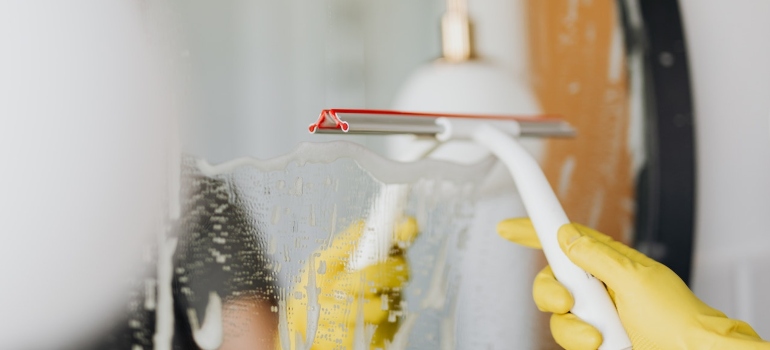
Now, let’s roll up our sleeves and get to work on repairs and cleaning. Start by addressing any damage that happened during your stay. This could mean patching holes in the walls, replacing broken fixtures, or giving the walls a fresh coat of paint. Such repairs are crucial. They show your landlord that you’ve taken good care of the property. After the repairs, focus on a deep clean of your rental. Concentrate on high-traffic areas like floors and appliances, which accumulate the most dirt and grime. Don’t overlook details like baseboards, windows, and light fixtures. A thorough cleaning not only creates a pleasant environment but also makes a great impression during your final inspection.
Remember, your goal is to restore the property to a condition as close as possible to when you moved in with the help of the top movers in Virginia Beach. This effort reduces the chances of disputes over the security deposit and sets a respectful tone in your interactions with the property manager. Investing time in these tasks can significantly boost your chances of getting your full deposit back. Moreover, consider hiring professional cleaners if the task seems too daunting or if your lease agreement stipulates it, as their expertise can ensure that no spot is missed. Taking these proactive steps demonstrates responsibility and commitment to maintaining the property, greatly enhancing your reputation with the landlord.
Make sure not to leave something of yours behind
If you leave any items behind, they will most likely become the landlord’s problem. That means that they will have to pay to get rid of those items. That way, you will be missing a chunk from the deposit or you won’t get it back at all. So, in order to get your security deposit back, discard all the items and furniture you won’t be bringing with you. An alternative is to rent a storage unit in which you can keep the items for some time.
Schedule a Pre-Inspection
If you want everything to be in order, scheduling a pre-inspection with your landlord or property manager is a strategic move when preparing to move out. Reach out to them and arrange a time for this crucial walkthrough. This proactive approach gives you a chance to go through the property together and pinpoint any areas that might raise concerns. During this inspection, you can identify things to fix before you move, ensuring you have enough time to address them before the final inspection. It’s also the perfect opportunity to ask for feedback directly from your landlord. They can provide valuable insights on what exactly they’ll be checking during the final walkthrough.
This can guide your cleaning and repair efforts more effectively. Engaging in this step not only shows your commitment to maintaining the property but also minimizes the chances of disputes over your security deposit later. Plus, it fosters a good relationship with your landlord, demonstrating your responsibility and respect for the lease agreement. Remember, being well-prepared and informed can significantly ease your moving process and enhance your chances of getting your full security deposit back.

Review State Laws on Security Deposits
It’s essential to understand the specific laws that govern security deposits in your state. Each state has its own set of regulations regarding how security deposits should be handled, including the timeline for return and permissible deductions. Familiarizing yourself with these laws ensures you know what to expect and can hold your landlord accountable.
For example, some states require that a landlord return a security deposit within 30 days after a tenant moves out, while others may allow up to 60 days. Also, certain states provide a detailed list of what can legally be deducted from a deposit, such as unpaid rent or the cost of repairs for damage beyond normal wear and tear. By understanding these rules, you can better prepare your case if there’s a dispute. This knowledge also empowers you to communicate effectively with your landlord about the process, reducing the likelihood of misunderstandings. Ultimately, staying informed about your rights helps protect your interests and ensures a fair handling of your security deposit. Make sure to review this information early in your moving process to navigate the situation with confidence.
Replace Anything You Removed
If you replaced any fixtures or made changes to the rental during your stay, now is the time to revert those alterations. Whether it’s light fixtures, curtains, or any custom hardware you added after moving into your first apartment, switching them back to the originals is crucial. Restoring the property to its initial condition demonstrates respect for your landlord’s property and adherence to your lease terms. This step is vital in ensuring no deductions are made from your security deposit for unauthorized modifications.
Also, returning the property to its original state can prevent disputes at the final inspection and foster a positive end to your leasing term. Remember, this effort reflects your responsibility as a tenant. Keep receipts and records of any purchases or repairs made, as these can provide further evidence of your efforts to maintain the property responsibly. This attention to detail will show your landlord that you value the property and have taken care to preserve its condition.
Dispose of All Trash Properly
As you prepare to move out, disposing of all trash and personal belongings correctly is crucial if you want to get your security deposit back. Ensure that you leave nothing behind, as remaining items could lead to cleaning or disposal fees that your landlord might deduct from your deposit. Familiarize yourself with local disposal regulations, especially for large or hazardous materials. Many areas have specific collection days or designated facilities for such items to ensure safe and legal disposal.
Taking these steps not only avoids potential penalties but also demonstrates your responsibility and respect for the property. Proper disposal ensures that the rental is ready for the next tenant and that you have fulfilled your obligations under the lease agreement. Remember, a clean and clear property goes a long way in easing the process of getting your full security deposit returned. Make this task a priority in your moving checklist to avoid any last-minute issues that could affect your finances.
Record the Final Condition
After you’ve finished with moving heavy furniture, cleaning and repaired the rental, it’s crucial to document the final condition of the property. Taking detailed photos or a comprehensive video is the best way to capture your efforts. This visual evidence can be invaluable, especially if there are any disputes with your landlord regarding the state of the rental after you move out. Make sure to capture every room, with special attention to areas you’ve repaired or cleaned thoroughly. Having this documentation can help you get your security deposit back by providing clear proof of the property’s condition when you left.
Attend the Final Walk-Through
Attending the final walk-through with your landlord is a pivotal step in the moving-out process. Make sure to bring all your documentation, including photos and videos, to this meeting. This is your opportunity to discuss any discrepancies and showcase the repairs and cleaning efforts you’ve made. Being present and prepared allows you to point out the improvements and ensures that the landlord acknowledges the condition of the property. This proactive approach can help secure the return of your security deposit, as it demonstrates your responsibility and commitment to maintaining the rental. Plus, it provides a chance to clear up any misunderstandings on the spot, making the process smoother for both parties. Always approach this meeting with a cooperative and positive attitude to facilitate a fair and swift resolution.
Provide Your Forwarding Address
Ensure that your landlord has your forwarding address to avoid delays in returning your security deposit. Providing this information in writing is crucial, as it not only facilitates quick and easy communication but also confirms where to send your deposit. This step is particularly important if questions arise after you’ve moved out. By having your current address on file, your landlord can easily contact you to resolve any issues. Make it a priority to handle this detail during one of your final interactions with your landlord. This straightforward action can significantly ease the process of getting your security deposit back and keeps the communication lines open, should you need to discuss any discrepancies or final details regarding your move.
Be Patient But Persistent
After you move out, remember that your landlord typically has between 15 to 60 days to return your security deposit, depending on your state’s laws. If this period passes and you haven’t received your deposit, it’s appropriate to send a polite reminder and focus on post-relocation relaxation. A brief email or letter can often prompt a quick response. Being patient yet persistent is key. While it’s important to give your landlord the allotted time to process the return, you also need to keep track of the timeline and follow up if necessary. This approach ensures that you’re not overlooked and keeps the process on track. Staying on top of this detail demonstrates your attentiveness and helps maintain a professional relationship with your landlord, potentially easing the transaction.

Consider Small Claims Court
If your landlord unfairly withholds your security deposit, taking legal action through small claims court is an option to consider. This route is suitable if the amount in dispute falls within your state’s monetary limits for small claims. While pursuing legal action should be seen as a last resort, it’s important to be aware of this avenue if necessary. If you decide to proceed, gathering all your documentation—such as photographs, emails, and a copy of the lease—will be crucial. These items will support your case, showing that you’ve met all conditions for the return of your deposit. Always ensure you understand the filing process and any associated fees. This method can be an effective solution when all other attempts to resolve the issue have failed, ensuring your rights as a tenant are protected.
Maintain a Good Relationship
Throughout the move-out process, it’s vital to maintain a good relationship with your landlord. Effective communication plays a key role here. Approaching discussions with respect and understanding can greatly help in resolving any issues amicably. This positive interaction not only facilitates smoother transactions, such as the return of your security deposit, but it also leaves the door open for future references or rentals. Always aim for clear, open conversations about your expectations and any concerns you might have. Addressing matters promptly and politely can prevent misunderstandings and create a cooperative environment. Remember, a good tenant-landlord relationship can be beneficial for both parties and can lead to quicker resolutions to any rental issues that arise.

Get Your Security Deposit Back Easy!
To get your security deposit back, you should prepare well, you need clear communication, and a thorough understanding of your rights. Start by reviewing your lease agreement and documenting the property’s condition when you move in and again when you leave. Address any damages early, clean thoroughly, and replace anything you’ve changed. Schedule a pre-inspection and a final walk-through with your landlord to ensure you don’t overlook some details. If disagreements arise, knowing the relevant state laws can guide you in handling them effectively. Always aim to maintain a positive relationship with your landlord, as this can simplify negotiations. With these steps, you’re well on your way to securing the return of your security deposit and enjoying the first day in your new home after moving!