
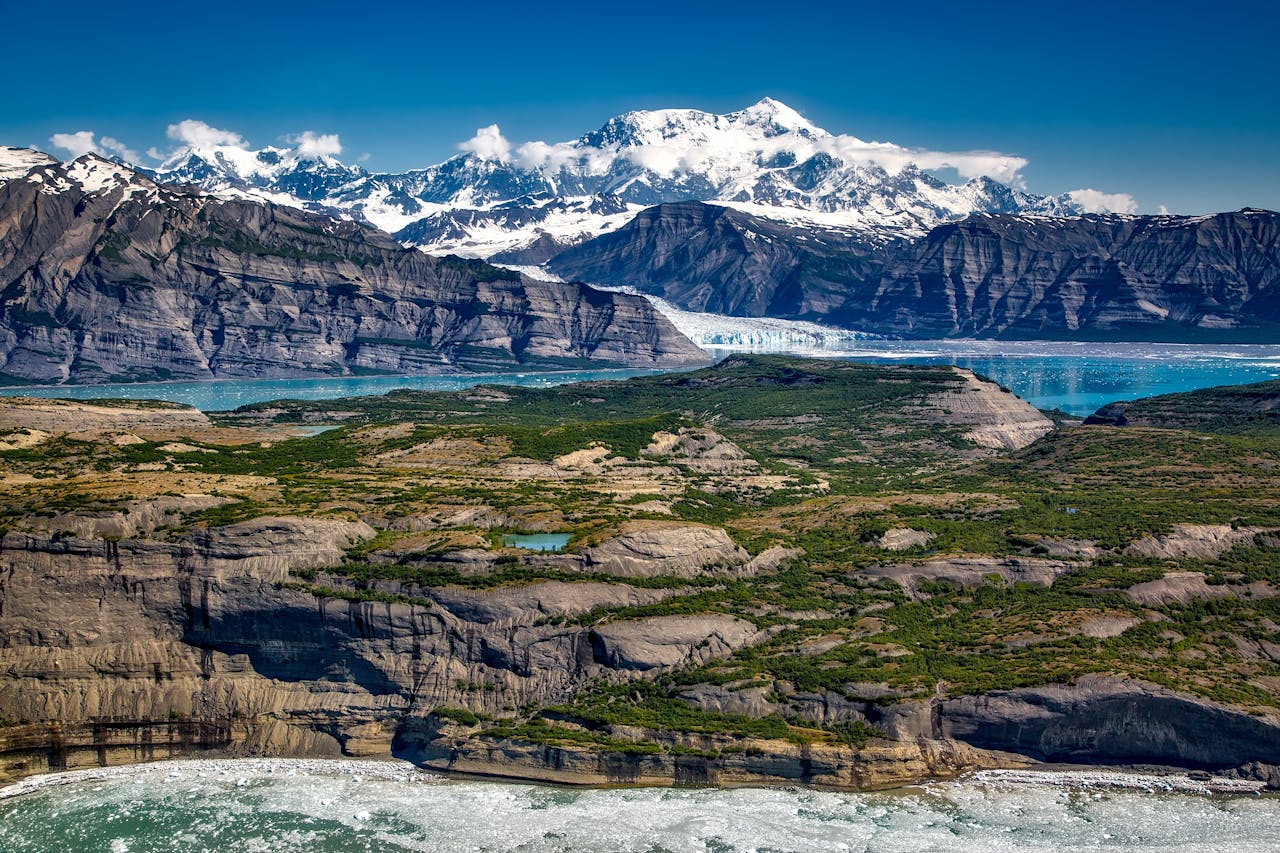


Alaska offers unique opportunities for those seeking a fresh start in a state known for its breathtaking landscapes and welcoming communities. Choosing among the best places to live in Alaska depends on your preferences, whether it’s the energy of Anchorage, the charm of Juneau, or the small-town feel of Homer. Each location has its own distinct advantages, from thriving local economies to access to outdoor activities. To make your decision easier, researching opinions and recommendations can be helpful. Explore insights from Verified Movers reviews to find valuable details about moving services and settling in your chosen Alaskan destination. Here, we will highlight some of the top locations in the state, providing a clear picture of what each has to offer!
Welcome to Alaska
Alaska is the largest state in the U.S., covering more land than Texas, California, and Montana combined. It stretches from the Arctic Ocean to the Pacific, offering extreme contrasts in weather, daylight, and geography. The state’s economy relies on industries such as oil, natural gas, fishing, and tourism, while many residents also live off the land through hunting and subsistence activities. Anchorage serves as the commercial center, while Juneau operates as the capital, accessible only by air or sea. Fairbanks represents the heart of Interior Alaska, with temperatures that can swing from 90°F in summer to -40°F in winter.
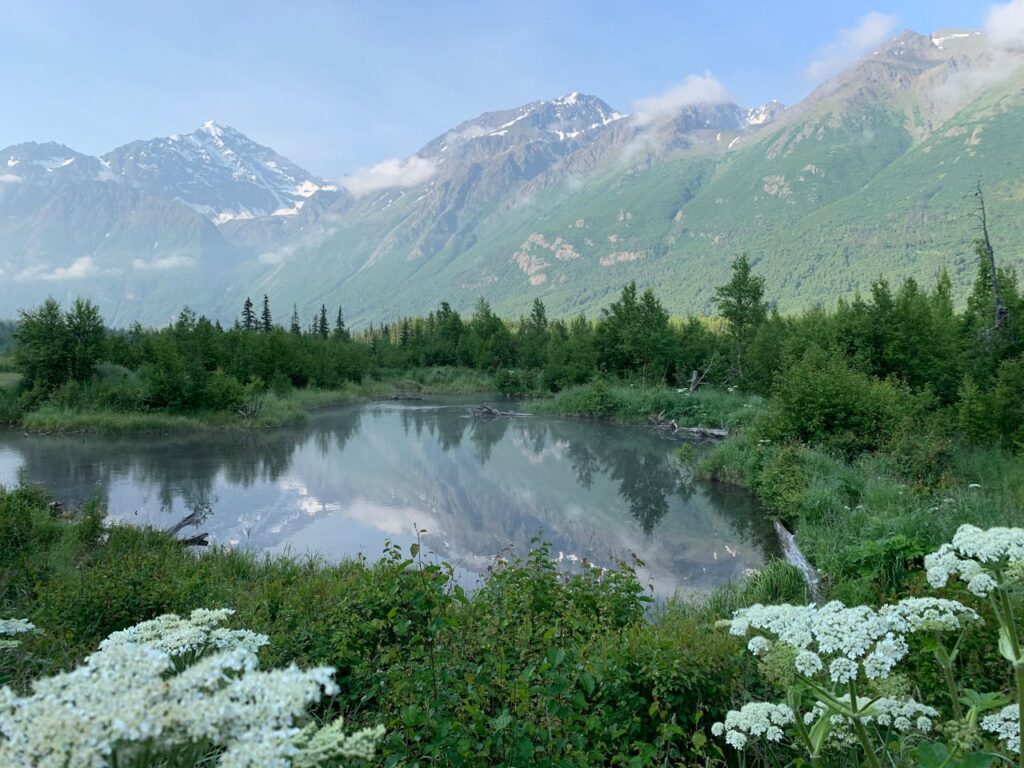
The state’s population remains small. This low population density gives Alaska its open, rugged character. Life here revolves around practical concerns such as heating, transportation, and access to goods, since many towns sit far from major highways. Despite those challenges, Alaska stands out for its opportunity and self-sufficiency. Alaska is one of the states with no income tax and often receive annual payments through the Alaska Permanent Fund, tied to oil revenue. Its combination of natural resources, independence, and space creates a setting that appeals to people seeking a different pace of life. Alaska is more than a scenic destination—it’s a functioning state where resilience, skill, and resource management define daily living.
Population and Diversity
Alaska’s population remains small but remarkably varied. About 730,000 people call the state home, spread across an area more than twice the size of Texas. The majority live in and around Anchorage, the economic center, while others settle in the Matanuska-Susitna Valley, Fairbanks, and smaller coastal towns. Many rural communities exist far from major highways, reachable only by plane or boat. This isolation shapes the way people live—neighbors rely on each other for help, and community bonds run deep.
The state is also home to a rich cultural mix. Roughly one-fifth of residents identify as Alaska Native or American Indian, representing more than 200 tribal groups and languages. Their influence appears in schools, government, art, and local traditions. Festivals, subsistence practices, and village councils continue to preserve this heritage. At the same time, newcomers from across the United States and around the world bring new skills and perspectives. Military families, oil workers, educators, and entrepreneurs add to the mix, creating a unique demographic landscape where independence and cooperation go hand in hand. Population growth remains modest due to the high cost of living and challenging climate, but those who stay often do so for life.
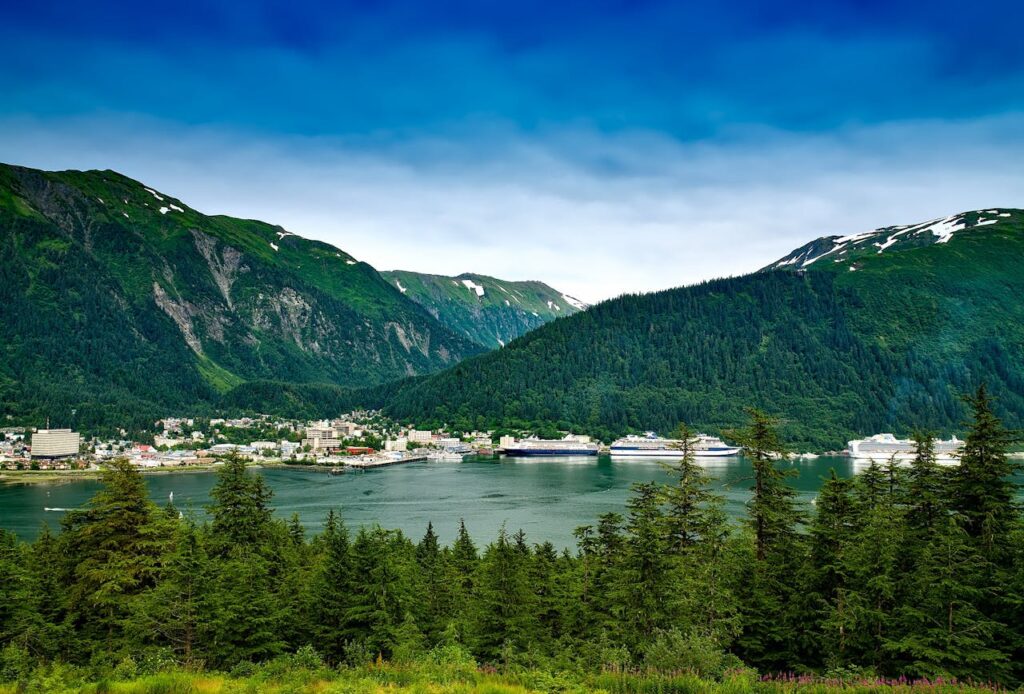
Of all its territory, around 65% is owned and controlled by the federal government of the U.S. A big part of this are the national parks, forests and wildlife refuges. Nature is amazing here and it is very important for the residents and the county both. The best proof of this claim is the fact that the Arctic National Wildlife Refuge is the largest wildlife refuge in the world spanning across 16 million acres. Thanks to its many amazing qualities, Alaska is a very popular place to move to.
Anchorage
For a lot of common people on the streets around the world, it may come as a surprise to learn that Anchorage is not actually the capital of Alaska. It is the most populous city here by far, accounting for more than 40 percent of the state’s population. It is the largest, most populous and most developed city in Alaska is thus on top of our list of best places to live in Alaska. As such it has a lot to offer to anyone looking for a home. The Kenai Fjords National park and the Chugach National Forest lie on its doorstep. Whenever you have some spare time you can enjoy the very best of what nature has to offer just by going outside of the city.
Furthermore, if you are looking for a city that represents the center of the modern world, Anchorage could be an unexpected surprise. The city is positioned in such a way that it is on equal distance from New York City, Tokio, and Frankfurt. This means that it is one, less than 10 hours, flight away from around 90% of the industrialized world. Living here means that you have easy access to a majority of the greatest cities in the world. Add to this the fact that it has won the All-America City Award four times, most recently in 2002. The cost of living here is 25% higher than the national average. The average home value is $402,156. In case you decide to move to here, long distance moving companies Anchorage are waiting for your call!

Juneau
If you are looking for a calm, private place that has all the important commodities, then the City and Borough of Juneau should be considered among the first ones. This is one of the best places for families in Alaska and it has been the capital of the state of Alaska for more than 100 years. During that time it has served its purpose with pride and silent efficiency. Jueanu has only around 35,000 residents, which is a small number compared to the other cities and capitals in the USA. However, it is the second largest city when it comes to the area under its control.
The natural beauty of Alaska is all over the town. However, the reason why calling Juneau long distance moving companies and booking a move here right away is a smart idea is that it is a perfect example of a small town that has everything a big city has. The chief quality of it is the fact as a capital, it has all the important things. You will find a good healthcare system, great schools and is the administrative center of the state, but it still retains the small town tempo of life. If you are considering moving here, you should know that the average home value in Juneau is $460,423. When it comes to the cost of living, Juneau’s cost of living is 28% higher than the national average.
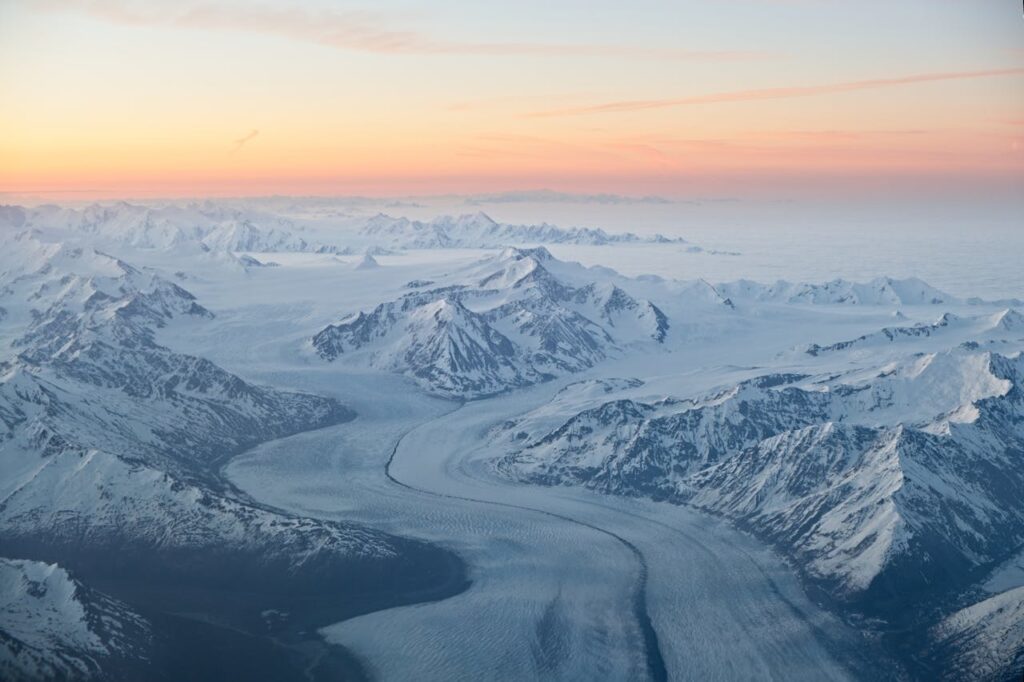
The Third of the Best Places to Live in Alaska is Fairbanks
If the previous two options have not satisfied your needs, then Fairbanks will surely make you call your best long distance movers Fairbanks. It is not as big as Anchorage and the capital as Juneau, but it has a lot to offer. Places in Alaska are not famous for being bustling multi-million cities. Fairbanks is no exception. It has about as many residents as Juneau. However, it has one of the best education systems in the country from elementary schools, to high schools. The University of Alaska Fairbanks provides educational and cultural resources to the community.
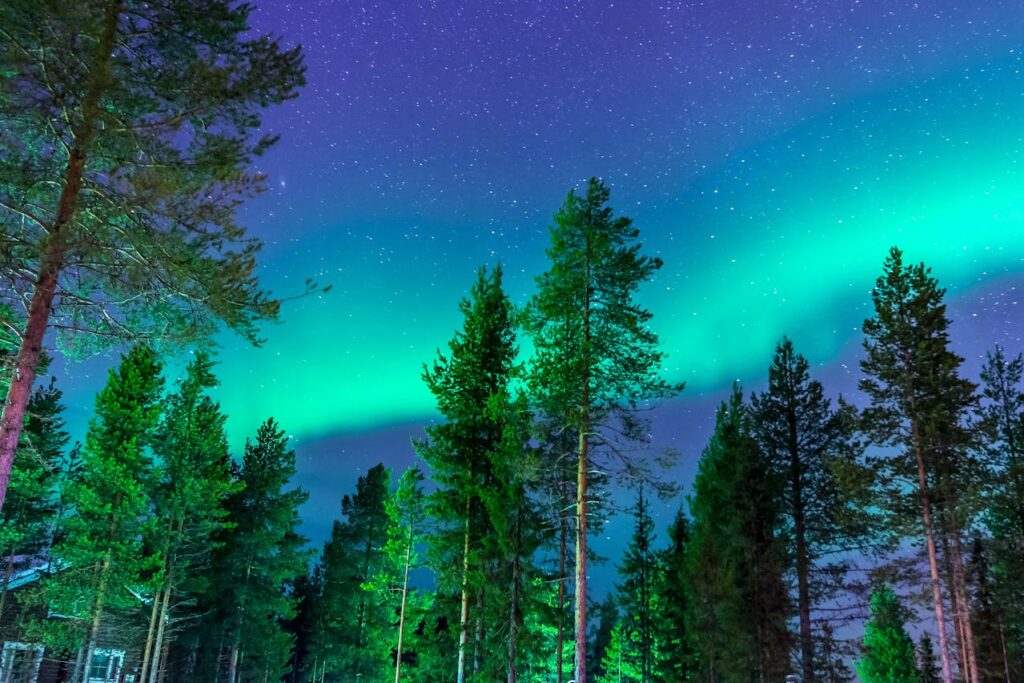
Known for its cold winters, it offers spectacular views of the Northern Lights. The city has a growing economy with opportunities in education, the military, and energy industries. Fairbanks is an excellent choice for those who enjoy winter sports. Summers bring long daylight hours, perfect for outdoor events and gardening. Fairbanks has the cost of living that is 23% higher than the national average, but it’s not among the most expensive cities in the US. The average home value in Fairbanks is $288,095.
Sitka
Sitka is located on Baranof Island in Southeast Alaska. It is home to approximately 8,500 residents. Known for its picturesque coastal views, the town combines rich historical significance with modern conveniences. It was once the capital of Russian America, and its heritage is evident in landmarks like St. Michael’s Cathedral and the Sitka National Historical Park. Sitka’s economy thrives on fishing, tourism, and healthcare, providing stable employment opportunities for its residents.
Living in Sitka offers a slower pace, attracting those who appreciate nature and a close-knit community. Wildlife enthusiasts frequently spot bald eagles, bears, and humpback whales in the surrounding area. The town has a small-town atmosphere while offering essential amenities, including quality schools and reliable healthcare facilities, making it appealing to families.
However, the cost of living in Sitka is 17% higher than the national average. Housing costs are significant, with the average home value at $509,448. Despite these challenges, many find the trade-off worthwhile due to Sitka’s unique charm and access to outdoor activities such as kayaking, fishing, and hiking. Also, Sitka’s tight-knit community fosters a sense of belonging, making it a rewarding place to live. For those seeking a balance between modern amenities and a serene lifestyle, Sitka provides an unmatched experience. It is one of the best places to live in Alaska. Long distance moving companies Sitka will do their best to help you if you choose to move here!
Ketchikan
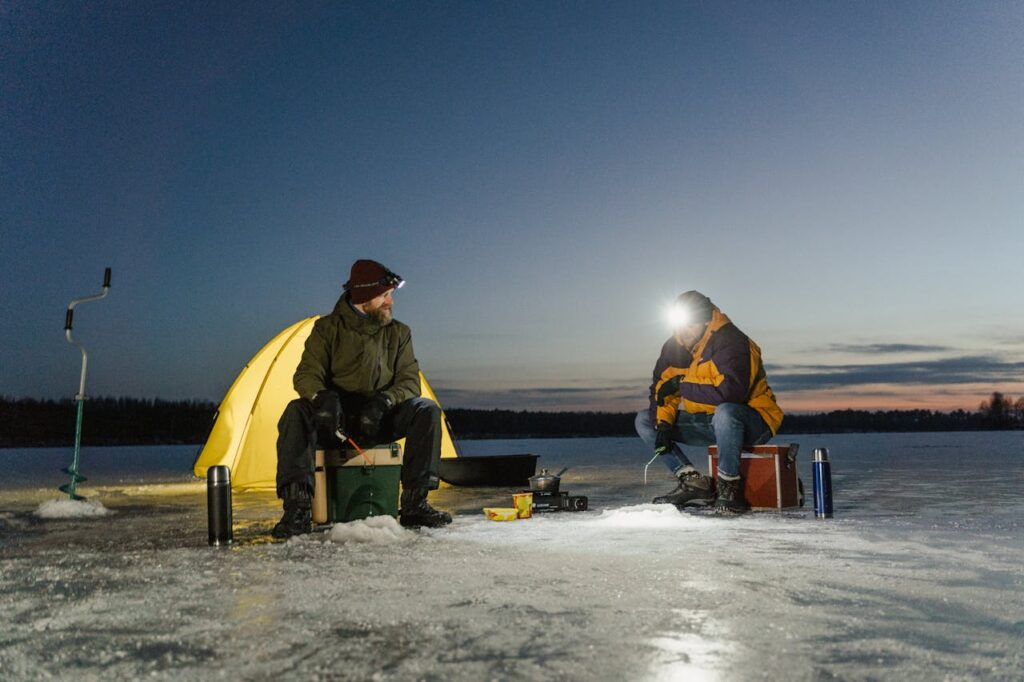
The city of Ketchikan, often referred to as the “Salmon Capital of the World,” is an amazing coastal town in southern Alaska. With a population of approximately 8,300, Ketchikan combines its rich fishing heritage with a bustling tourism industry, making it a hub for both residents and visitors. The local economy thrives on its commercial fishing sector, which provides jobs and supports the town’s identity. Tourism also plays a significant role, with cruise ships bringing thousands of visitors annually to explore Ketchikan’s unique culture and natural beauty.
Living in Ketchikan offers plenty of opportunities for outdoor activities. Residents frequently enjoy fishing, kayaking, and exploring the many nearby islands. The town’s arts scene includes numerous galleries, theaters, and museums such as the Totem Heritage Center, which celebrates the area’s Indigenous culture and history. The historic Creek Street, once a hub of commerce, is now a popular destination for shopping and dining.
The average home value in Ketchikan is $396,531, reflecting its coastal appeal and limited housing availability. While the cost of living is 18% higher than the national average, the close-knit community and unique lifestyle attract those who value a slower pace and connection to nature. With its stunning waterfront, welcoming atmosphere, and cultural richness, Ketchikan remains one of the best places to live in Alaska. If moving here is what you are thinking about, hiring long distance moving companies Ketchikan is a must!
Wasilla
Wasilla, located in the Mat-Su Valley just north of Anchorage, is home to approximately 10,000 residents and has become a popular choice for families seeking a balance between suburban living and outdoor adventure. This charming town offers a quieter atmosphere compared to Anchorage while still being close enough for commuting, making it ideal for those who work in the city but prefer a more relaxed pace at home.
Wasilla is known for its affordability within the Alaskan context, with an average home value of $404,465. While the cost of living is about 14% higher than the national average, the area’s benefits often outweigh the expense. The town has good schools, local businesses, and a variety of amenities, making it especially appealing for young families.
Outdoor enthusiasts enjoy Wasilla’s abundance of recreational activities. Here, you can spend weekends fishing in nearby lakes, hiking trails, or camping in the surrounding wilderness. The town also hosts community events and markets that foster a strong sense of belonging among its residents. Wasilla serves as a gateway to exploring some of Alaska’s most breathtaking landscapes while still offering the comforts of suburban living. With its welcoming community and proximity to Anchorage, Wasilla continues to grow as a top choice for families looking to settle in Alaska.
Homer
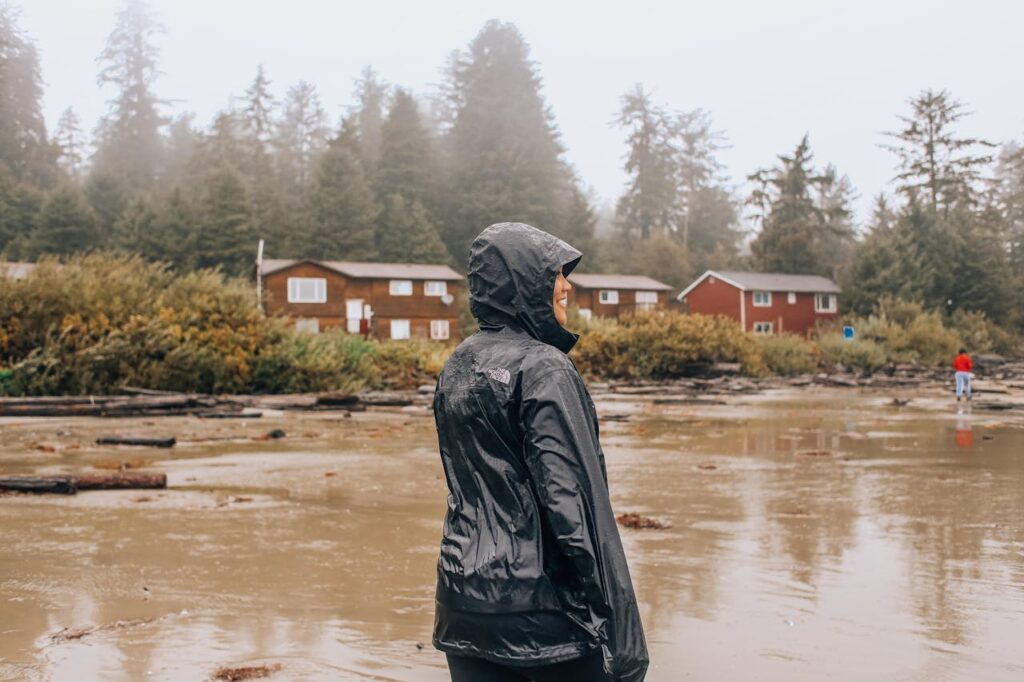
Homer, a picturesque town on the Kenai Peninsula with approximately 5,500 residents, is renowned as the “Halibut Fishing Capital of the World.” This coastal gem has a strong sense of community and an artistic atmosphere, attracting writers, painters, and musicians who contribute to its culture. Local galleries, music events, and festivals reflect Homer’s creative spirit.
The town’s setting is nothing short of stunning, surrounded by towering mountains and sparkling waters. Homer Spit, a long, narrow strip of land extending into Kachemak Bay, is a focal point for both tourism and fishing. It features bustling docks, seafood restaurants, and charming shops. Outdoor enthusiasts flock to Homer for its recreational activities, including world-class fishing, kayaking, and hiking in nearby trails and parks. Kachemak Bay State Park offers opportunities for exploring Alaska’s pristine wilderness.
Living in Homer comes with its costs, as the cost of living is 16% higher than the national average. The average home value in Homer stands at $401,330. This place provides essential services, quality schools, and healthcare facilities, making it a great place for families or retirees seeking a peaceful yet engaging environment. With its natural beauty, rich culture, and welcoming atmosphere, Homer is one of Alaska’s most treasured towns. If you decide to move, make sure to check if the moving company is legitimate and make the best choice!
Palmer
Palmer, located in the Mat-Su Valley, is also a town worth mentioning, with a population of around 7,300. Known for its agricultural roots, Palmer hosts the annual Alaska State Fair, which draws visitors from across the state to enjoy exhibits, local produce, and entertainment. The town’s farming heritage is still evident in its community-focused lifestyle and picturesque farmlands.
Residents of Palmer, one of the best places to live in Alaska, enjoy a balance of rural charm and modern convenience. The town is surrounded by scenic hiking trails and parks, making it a paradise for outdoor enthusiasts. Its proximity to Anchorage, just 42 miles away, provides access to additional job opportunities, shopping, and cultural events while allowing residents to return to a quieter, more affordable lifestyle.
Palmer’s housing market reflects its appeal, with an average home value of $416,276. While the cost of living is 10% higher than the national average, it remains more affordable than many other Alaskan cities. Families are drawn to Palmer for its good schools, safe neighborhoods, and strong community connections. The town also offers local markets, festivals, and events that bring residents together and foster a welcoming atmosphere. For those seeking a peaceful environment with access to both outdoor adventures and city amenities, Palmer is also among the best places to live in Alaska. To enjoy a safe long distance move to this city, make sure to hire the right moving team!
Kodiak
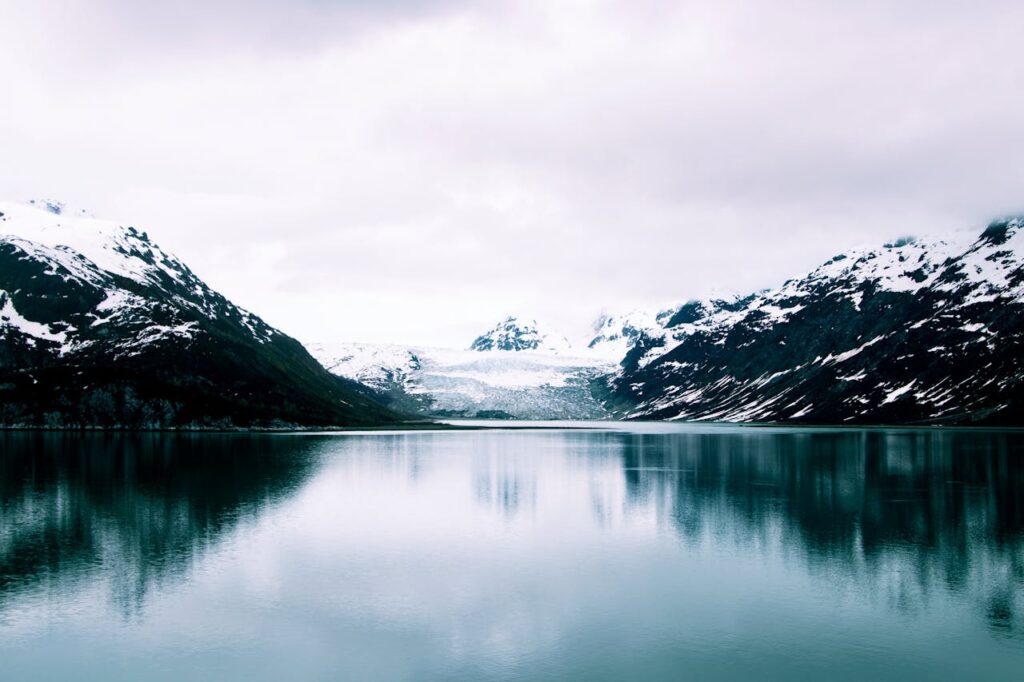
Kodiak, located on Alaska’s Gulf Coast, is one of the state’s most distinctive island communities. It offers a close-knit way of life shaped by its fishing industry, maritime culture, and rugged coastal terrain. The island is accessible only by plane or ferry, which gives residents a strong sense of independence but also limits access to goods and services.
The average home value in Kodiak, AK is $441,106, reflecting both the island’s demand and the high cost of construction and materials that must be shipped from the mainland. Housing options range from compact homes near the city center to larger properties overlooking the water or surrounded by forest. Local jobs primarily revolve around commercial fishing, seafood processing, education, healthcare, and government services. The community supports several schools, a small college campus, and a regional hospital, offering residents a stable base despite the island’s remoteness.
Living in Kodiak also means adapting to a wet, cool climate, with frequent fog and storms that affect travel schedules and daily routines. However, many appreciate the slower pace, safety, and strong community relationships. Outdoor activities are part of daily life, with fishing, boating, and hiking serving as main pastimes. Wildlife such as eagles, whales, and brown bears are common sights. The island’s self-reliant culture rewards those who value practical skills and community support over convenience. While living costs remain higher than on the mainland, residents trade that for privacy, natural surroundings, and a strong local identity. Kodiak attracts people who want a balanced life—remote yet connected, challenging yet deeply rewarding.
Valdez Is Also Among the Best Places to Live in Alaska
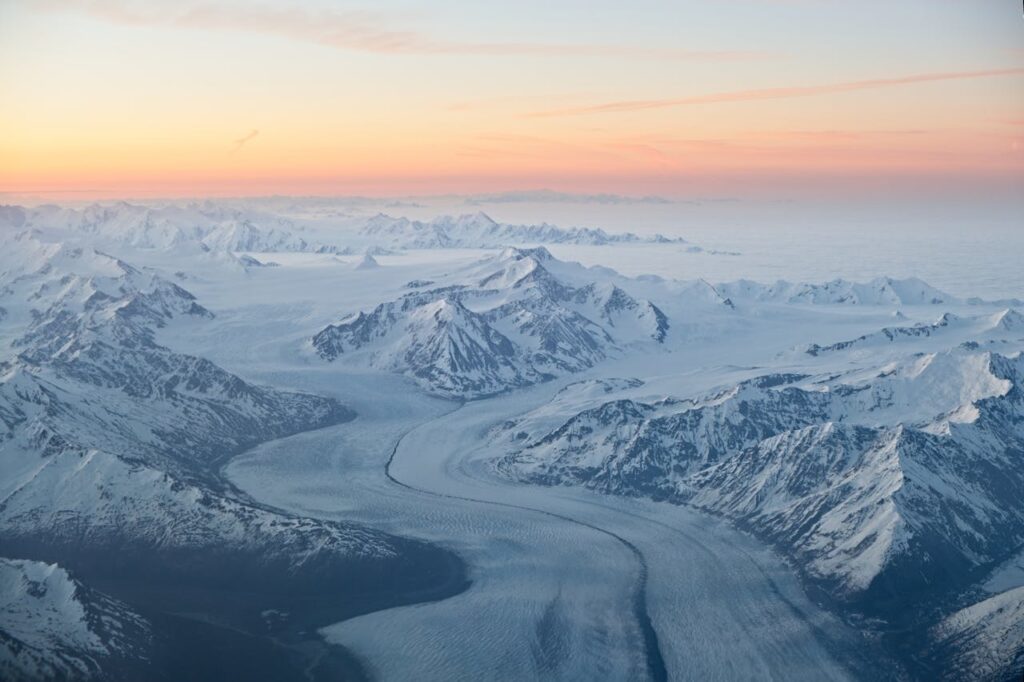
Valdez, located at the end of the Richardson Highway along Prince William Sound, stands out as one of best places to live in Alaska. Known for its striking scenery and strong community ties, it offers a lifestyle that balances outdoor adventure with reliable local services. The average home value in Valdez, AK is $350,871, which makes it more affordable than many other coastal towns in the state. Residents enjoy access to clean neighborhoods, well-kept infrastructure, and a steady local economy supported by oil, shipping, and tourism.
The town also benefits from its deepwater port, which helps sustain year-round employment and trade activity. Valdez attracts people who enjoy active living. In winter, residents ski and snowmachine through some of the heaviest snowfall in North America. In summer, fishing, boating, and kayaking fill long days with fresh air and recreation. Despite its remote setting, Valdez has schools, healthcare facilities, and small businesses that cover most daily needs. The community places strong emphasis on local involvement, with frequent events and volunteer programs that bring residents together.
While winters can be long and snowy, the area’s road access to Anchorage and Fairbanks provides convenience for travel and supplies. People who live here appreciate the balance between independence and accessibility. Valdez appeals to those who want small-town life with striking surroundings and dependable services. It offers a genuine sense of belonging and safety, supported by residents who look out for one another. For anyone seeking affordability, scenic views, and community-driven living, Valdez consistently ranks among the best choices in Alaska.
Tips for Moving to Alaska
Moving to Alaska requires thoughtful planning and preparation. The state’s unique climate, remote locations, and lifestyle can be vastly different from what you’re used to. Here are some key tips to plan your move to Alaska easier:
- Research the Climate: Alaska’s weather varies significantly by region. Prepare for harsh winters, especially in the interior and northern areas. Invest in quality winter clothing and gear.
- Plan Your Housing: Housing costs can differ greatly between cities and rural areas. Research average home values and rental costs in your chosen location.
- Budget for Higher Living Costs: The cost of living in Alaska is generally higher due to transportation and logistics. Groceries, fuel, and utilities can be more expensive.
- Prepare for Limited Access: Some towns are only accessible by plane or boat. This can impact shipping costs and availability of goods.
- Know the Job Market: Depending on the city, employment opportunities may vary. Industries like healthcare, fishing, tourism, and oil are common.
- Ship Your Belongings Early: Moving items to Alaska can take time. Start planning your shipment well in advance.
- Embrace Outdoor Activities: Alaska offers unmatched opportunities for fishing, hiking, and skiing. Be ready to enjoy the state’s natural beauty.
- Connect with Locals: Join community groups or social media forums to meet residents and get advice.
Moving to Alaska is an adventure, but with proper planning, it can be a rewarding experience.

Challenges and Drawbacks of Living in Alaska
Moving to Alaska comes with real challenges that demand preparation and adaptability. The cost of living ranks among the highest in the country. Everyday expenses—groceries, gas, and utilities—rise sharply due to shipping costs and long supply routes. Heating alone can take a large share of a household budget, especially in winter when temperatures drop far below freezing. Housing costs vary by region, but construction, maintenance, and repairs often cost more because materials and labor are limited.
Accessibility also poses problems. Many areas can only be reached by air or ferry, which makes travel slow and expensive. Weather delays are common, and during winter, road closures or icy conditions can cut off entire communities. The extreme climate takes a toll on health and routine. Long, dark winters bring fatigue and seasonal depression, while icy conditions make daily tasks physically demanding. Summer, though bright and long, comes with mosquitoes and unpredictable weather.
Job opportunities also depend heavily on region and industry. Urban centers such as Anchorage or Fairbanks offer more options, but rural areas rely mainly on fishing, tourism, or government work, leaving limited year-round employment. Healthcare access can be inconsistent. Remote towns often lack specialized care, forcing residents to travel long distances for medical appointments. Education and entertainment choices are also fewer than in the lower 48 states, which can feel isolating for families or young professionals. Finally, the physical distance from friends, family, and the rest of the country can make travel and relocation costs high. While Alaska’s scenery and independence attract many, the practical realities—high prices, isolation, and harsh weather—can test even the most determined newcomer.

Find Your Ideal Alaskan Home!
Alaska offers unique living experiences that cater to a variety of lifestyles. Whether you prefer a bustling city like Anchorage or the serene charm of Homer, the state has options for everyone. Exploring the best places to live in Alaska allows you to find a location that fits your needs, from job opportunities to outdoor adventures. Each town offers its own distinct advantages, making it important to weigh your priorities carefully. With the right preparation and understanding of local living conditions, you can make Alaska your perfect home. Begin your journey today by exploring the diverse towns and cities that this beautiful state has to offer!