



Moving from California to Washington draws many people who want lower costs, steady jobs, and a calmer daily rhythm. This shift brings new routines, fresh surroundings, and a clear chance to reset your priorities. You can plan each step with confidence when you understand housing trends, weather changes, and job prospects. We will set the stage for a move that feels structured, informed, and manageable from the start! Verified Movers also helps you sort through trusted carriers so you avoid stress while you organize your timeline!
About Washington
Washington sits in the Pacific Northwest and stretches from the Pacific Coast to the peaks near the eastern border. The state holds more than 7.8 million residents, and the population continues to rise each year as people search for steady jobs, education access, and reachable long-term goals. Washington joined the United States in 1889 as the 42nd state and later became known for major breakthroughs in aerospace, technology, agriculture, and clean-energy research. The state produces large amounts of apples, cherries, hops, and potatoes, and it ranks among the top agricultural contributors in the country.

The state of Washington also attracts interest because it is one of the states with no income tax, which helps many newcomers manage their budgets more easily. The region experiences mild summers, cooler winters, and long stretches of rainfall that support rich farmland and strong outdoor activity throughout the year. Residents appreciate the balance between economic strength and access to wide natural areas that shape daily routines.
These details give a clear picture of why Washington stands out as one of the most appealing states for people planning a major move! Before you hire some of the best cross country movers California and relocate here, let’s compare these two states in different terms!
Cost of Living: Washington Vs California
Washington is 7.1% cheaper than California, and the numbers show clear savings across daily categories. Housing brings the biggest shift. You will pay 16.1% less for housing in Washington, which gives you more freedom when choosing a home and planning long-term goals. Food costs also ease pressure on your budget. You will pay 5.5% less for restaurants and 7.2% less for groceries, which helps families and single professionals manage monthly spending with less strain. Transportation shows a smaller difference, yet it still matters in yearly totals since you pay 2.0% less for transportation overall. Parents feel relief as well because childcare costs run 7.3% lower in Washington.
These savings support stronger financial planning and help families stay flexible during major life changes. Entertainment and sports also cost 7.0% less, giving you more room for weekend outings and personal hobbies. Clothing prices drop too, with an average 4.3% decrease that helps you adjust your wardrobe without heavy spending. These combined factors show why many newcomers feel more financially secure after moving. Lower monthly expenses allow you to build savings, pay down debt, or work toward home ownership sooner. The shift creates a more balanced lifestyle with fewer financial pressures and more breathing room in your everyday routine.
It is worth mentioning that some areas in Washington cost far less than the state average. Spokane, for example, offers significantly lower housing prices and everyday expenses, which helps newcomers stretch their budgets with ease. At the same time, certain areas cost more. Seattle, for example, often matches or exceeds major California metros in rent, dining, and entertainment due to strong demand and dense job markets. If you want to relocate, top movers in Seattle are at your service!

Job Market
Washington and California both offer strong job options, yet each state brings its own structure, salary trends, and career paths. Washington shows steady growth in technology, aerospace, healthcare, trade, and clean-energy research. These fields help support an average salary of $75,563 per year, which stands higher than the $68,917 average salary in California. Large employers in Washington include major tech companies, global retail corporations, aerospace giants, hospitals, and research centers. These organizations hire thousands of workers each year and help maintain a dependable labor market. California offers huge demand as well, especially in entertainment, tech, biotech, agriculture, and professional services, with regions such as San Francisco drawing high earners due to dense concentrations of major companies and startups.
Unemployment trends also help you understand each state’s stability. Washington generally holds moderate unemployment levels that track close to national averages. California often sees slightly higher unemployment due to its size, regional cost pressures, and heavy competition in major hubs.
Highest-paying jobs in Washington include engineering roles, tech development, data science, aerospace design, medical specialists, and executive-level management. These roles contribute to rising salaries and steady upward mobility for qualified workers. California offers similar top-tier fields, though intense competition in major areas sometimes pressures workers to relocate for more affordable living. Many professionals who grew tired of high costs in California—especially workers leaving expensive metro hubs—now consider Washington because salaries often stretch further and career growth remains strong. If you are one of them, top movers in San Francisco are waiting for your call!

Climate Differences
Climate shifts play a major role for anyone moving from California to Washington, since daily routines and seasonal habits change the moment you settle in. California offers long stretches of sun, dry summers, and mild winters, especially in coastal and southern regions. Washington delivers a cooler and wetter pattern that shapes the entire year. Summers stay comfortable, with moderate temperatures that rarely reach the extremes common in parts of California. Rainfall increases, especially in the western half of the state, and newcomers often adjust their wardrobe, driving habits, and home routines to match the steady moisture.
Winters bring colder days, frequent rain, and pockets of snow in higher or inland areas, which can feel very different for anyone leaving California’s warmer conditions. These changes influence transportation, outdoor plans, and energy use. The softer summer heat reduces cooling costs, while the colder season may increase heating needs. Many people enjoy Washington’s seasonal variety once they adapt, since the shifts create clear markers throughout the year and support a wide range of outdoor activities. The climate change can feel dramatic at first, yet most newcomers adjust quickly once they understand the rhythm of each season and learn how to plan around rain patterns and daylight shifts.
Education and Healthcare in Washington
Washington offers strong support systems for both education and healthcare, which helps many newcomers settle with confidence. The state invests heavily in public schools, college access, and career development programs. Families can choose between neighborhood schools, magnet options, charter programs, and private institutions, and each option brings its own strengths for students with different learning needs. Public districts offer advanced coursework, technical programs, and steady support services that help students move toward college or career paths with clear direction. Washington also hosts respected universities, community colleges, and research institutions that attract students from across the country. These schools offer programs in engineering, science, health fields, business, and skilled trades, which gives young adults many ways to grow their future earnings and long-term goals.
Healthcare quality also stands strong. The state maintains broad networks of hospitals, urgent-care centers, primary-care clinics, and specialized facilities. Residents can access high-level care for heart health, cancer treatment, emergency needs, maternal care, and chronic-condition management. Many regions offer walk-in clinics and same-day appointments that help people stay consistent with treatment plans. Preventive care programs support vaccinations, screenings, and education for long-term health stability. Insurance options cover a wide range of budgets, and many employers contribute strong benefits that help families control their medical expenses. Washington also focuses on mental-health support and continues to expand counseling programs, inpatient centers, crisis teams, and telehealth access. Together, these education and healthcare systems create a structure that helps residents grow, stay healthy, and maintain stability at every stage of life after moving from California to Washington.

Move to Washington and You’ll Be Amazed by Its Nature
Many people who are moving from California to Washington feel amazed by the range of natural settings that shape daily life. The state offers quick access to the Pacific Coast, where long stretches of shoreline, tide pools, and rugged cliffs create views that feel refreshing during every season. The Olympic Peninsula stands out with dense forests, quiet beaches, and scenic drives that attract new residents year-round. Further inland, the Cascade Range brings striking peaks, clear alpine lakes, and well-known spots such as Mount Rainier, Mount St. Helens, and Mount Baker, each offering hiking, camping, and winter sports. Rivers such as the Columbia River and the Skagit River support fishing, boating, and weekend trips without long travel times. Eastern Washington introduces a different environment with wide open spaces, rolling hills, and warm summers that create strong contrasts with the western side of the state.
These varied regions help newcomers build active routines that support balance and stress relief. Spring brings bright fields and strong greenery, summer stays comfortable enough for long outdoor days, fall delivers bold color changes across forests and hills, and winter adds snow in the mountain regions for skiing and snowboarding. People who leave drier or hotter parts of California often feel surprised by how quickly the scenery shifts as they move through the state. Each area offers a different experience, and all of them give residents steady ways to relax, explore, and enjoy fresh surroundings. Once you settle in, nature becomes part of your rhythm and shapes a calmer, more grounded lifestyle.

Top Cities for Those Moving From California to Washington
There are several cities in Washington with a distinctive vibe. If you are moving from California with interstate moving companies Washington, you will see how they are very different, so you need to pick well. Here are our top 3 picks.
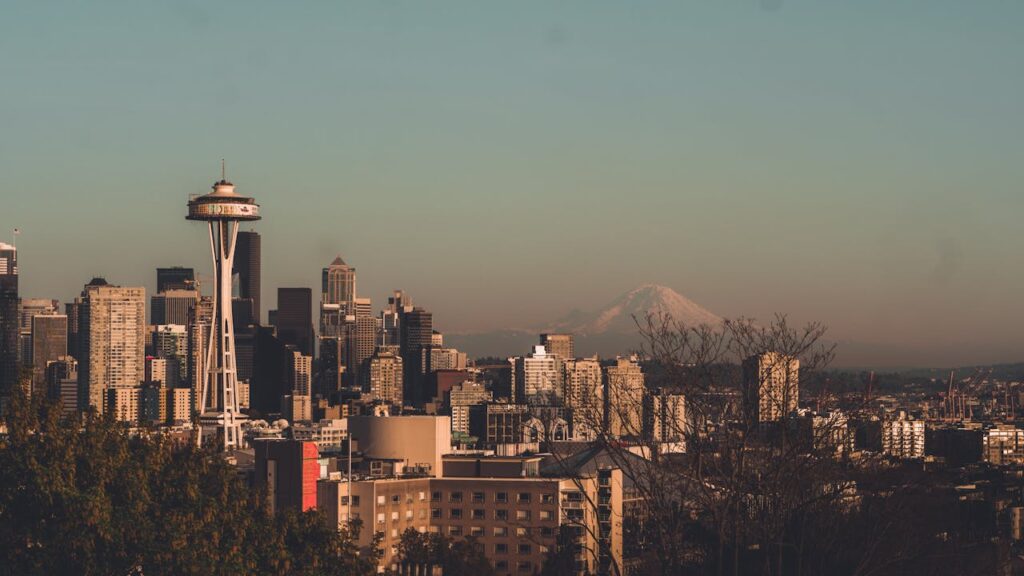
- Seattle: Puget Sound and Washington’s mountains and evergreen forests surround Seattle, all of which contribute to Seattle’s iconic beauty. Amazon is headquartered in the city, which also boasts a thriving tech sector. Seattle offers a wide variety of restaurants, bars, and cultural activities. There are many amazing neighborhoods for families in Seattle, too.
- Tacoma: Located just south of Seattle, it is the third-largest city in the state. In Tacoma, you can live more affordably than in Seattle. Rent is around $1,200 per month. Tacoma is known worldwide for its glasswork. If this sounds like something that might interest you, then this is the right city for you.
- Redmond: There are many job opportunities in Redmond thanks to Microsoft and Nintendo. Besides a great tech scene, it is even ranked as the 5th best small town in America to live in. Redmond is also a haven for outdoor enthusiasts, but no matter which city you chose, moving from California to Washington is a great step to take.
The Cons of Living in Washington
Living in Washington brings many advantages, yet newcomers should understand the challenges that may shape daily routines. To help you see the full picture, here are some common drawbacks that people notice after they settle into the state:
- Long stretches of rain can affect mood and outdoor plans.
- Cloudy days limit sunlight during fall and winter.
- Housing costs rise sharply near major employment zones.
- Traffic congestion increases during peak hours.
- Public transit remains limited in many areas outside major urban centers.
- Seasonal allergies appear in spring due to rapid plant growth.
- Colder winters require heavier clothing and increased heating use.
- Insurance costs rise in some regions due to weather patterns and dense populations.
- Earthquake risk exists in certain parts of the state.
- Outdoor trips may require more planning during rainy periods.
These factors do not affect everyone equally, yet they matter for anyone considering a move. Clear expectations help you decide where to live, how to plan your commute, and how to prepare for seasonal changes. Understanding these details helps you build a stable routine once you arrive.
Preparing for the Move
Preparing for the move works best when the entire process follows a steady structure instead of rushed, last-minute choices. The timeline starts with a simple budget that outlines packing supplies, mover fees, travel plans, and deposits. Sorting the home early helps reduce clutter and lowers the total volume that needs transport. Strong moving boxes, clear labels, and protective materials create order and prevent damage during loading.
You should also book reliable movers weeks in advance to avoid schedule conflicts, and written estimates help prevent surprises. A well-organized checklist keeps track of tasks such as transferring utilities, updating addresses, gathering medical and school records, and arranging service changes for internet or insurance. Travel plans deserve the same attention, especially during seasons with rain, snow, or heavy traffic. An essentials box with basic items—clothes, toiletries, charging cables, snacks, and simple tools—keeps the first days in the new home stress-free. Each step builds momentum and reduces pressure as moving day approaches. A clear plan turns a demanding process into something manageable, predictable, and far easier to handle.

Enjoy This Major Change!
Moving from California to Washington opens the door to new routines, clearer budgets, and steady opportunities for long-term growth. The shift brings fresh surroundings, different seasons, and a more balanced pace that supports work, family life, and personal goals. Careful planning, clear expectations, and steady organization shape a smoother arrival and help newcomers adjust with confidence. Each step—choosing a neighborhood, comparing costs, reviewing job options, and preparing for travel—creates a path that feels grounded and manageable. With the right approach, this change offers room to grow, explore, and settle into a state that supports strong careers and a stable daily rhythm.